93
Andréa Lagorse |Understanding Women’s Experiences in Cultic Groups in Québec
aligned with the research objectives, such as entry and
exit trajectories, experiences during involvement, and
the consequences on life after leaving the group. This
approach facilitated the construction of rich, in-depth
narratives.
Sample
Eight women took part in the study. They were
recruited through the organization Info-Cult, which
provides support and information to individuals
affected by cultic groups. Recruitment was based on
voluntary participation, with the following criteria:
be over 18, have left the group at least one year prior,
and be able to participate in a French interview. The
women interviewed were all based in Québec and had
been involved in a variety of groups, some religious,
others spiritual or therapeutic. For ethical reasons and
to protect the confidentiality of the participants, the
names of the groups cannot be disclosed. However,
they are distinct entities that operated in Québec.
Interviews were conducted between December 2021
and March 2022. Most were held online due to the
COVID-19 pandemic, lasting between one and three
hours. All participants signed an informed consent
form, which outlined the objectives of the study,
confidentiality measures, and their right to withdraw
at any time. Participants also selected pseudonyms to
preserve anonymity and were offered a list of support
resources following the interview.
Analysis
Data were analyzed using thematic analysis, a
flexible method that facilitates the identification and
organization of recurring patterns within a dataset
(Braun &Clarke, 2012). The analysis followed a two-
phase process. First, each interview was transcribed
shortly after being conducted and subjected to vertical
analysis. Coding was performed manually, with
attention to language, emotion, and context. Themes
were identified iteratively, allowing the ongoing data
collection to be shaped by emerging findings. Once
all interviews had been analyzed individually, a cross-
case horizontal analysis was conducted to identify
overarching themes and points of divergence. A
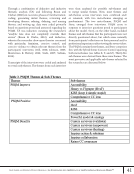
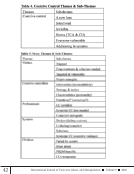
thematic tree was constructed to map out the main
themes and subthemes, each supported by direct
excerpts from the interviews.
This research is grounded in a feminist epistemological
perspective that values women’s lived experiences as
legitimate and situated forms of knowledge (Harding,
1991). A feminist standpoint approach guided the
analysis, with the intention of making visible the ways
in which gendered power relations shape women’s
trajectories within cultic groups. The aim was not
only to document experiences of violence but attend
to the tensions, contradictions, and meaning-making
processes expressed by the participants themselves.
The concept of coercive control, as developed by
Stark (2007), served as a starting point to orient the
researcher’s attention without determining in advance
the content of the analysis. While the four main
tactics identified by Stark (violence, intimidation,
isolation, and regulation of everyday life) provided a
useful reference, the themes discussed in the results
section were primarily drawn from patterns that
emerged inductively during coding and close reading
of the transcripts. For example, narratives of spiritual
seduction or the ambivalent sense of being chosen by
the leader initially appeared to contrast with the idea of
coercion yet were integrated into the analysis to show
how control can also be exercised through idealization
or perceived empowerment.
In line with feminist qualitative research traditions,
particular attention was given to the context in which
each narrative was produced, and to the researcher’s
own positionality in relation to the participants. The
interpretation of data was not presented as neutral or
objective, but rather as a situated dialogue between the
participants’ voices, feminist theoretical insights, and
the researcher’s critical engagement with both.
Results
The themes presented in this section emerged through
an iterative reading of the interview transcripts, with
attention to both recurring patterns and singular
experiences. While the framework of coercive control
provided an initial orientation, the following analysis
is grounded in the participants’ own narratives and
reflects the complexity, contradictions, and emotional
nuances of their lived experiences. These are not fixed
themes or categories, but dynamic processes shaped
Andréa Lagorse |Understanding Women’s Experiences in Cultic Groups in Québec
aligned with the research objectives, such as entry and
exit trajectories, experiences during involvement, and
the consequences on life after leaving the group. This
approach facilitated the construction of rich, in-depth
narratives.
Sample
Eight women took part in the study. They were
recruited through the organization Info-Cult, which
provides support and information to individuals
affected by cultic groups. Recruitment was based on
voluntary participation, with the following criteria:
be over 18, have left the group at least one year prior,
and be able to participate in a French interview. The
women interviewed were all based in Québec and had
been involved in a variety of groups, some religious,
others spiritual or therapeutic. For ethical reasons and
to protect the confidentiality of the participants, the
names of the groups cannot be disclosed. However,
they are distinct entities that operated in Québec.
Interviews were conducted between December 2021
and March 2022. Most were held online due to the
COVID-19 pandemic, lasting between one and three
hours. All participants signed an informed consent
form, which outlined the objectives of the study,
confidentiality measures, and their right to withdraw
at any time. Participants also selected pseudonyms to
preserve anonymity and were offered a list of support
resources following the interview.
Analysis
Data were analyzed using thematic analysis, a
flexible method that facilitates the identification and
organization of recurring patterns within a dataset
(Braun &Clarke, 2012). The analysis followed a two-
phase process. First, each interview was transcribed
shortly after being conducted and subjected to vertical
analysis. Coding was performed manually, with
attention to language, emotion, and context. Themes
were identified iteratively, allowing the ongoing data
collection to be shaped by emerging findings. Once
all interviews had been analyzed individually, a cross-
case horizontal analysis was conducted to identify
overarching themes and points of divergence. A
thematic tree was constructed to map out the main
themes and subthemes, each supported by direct
excerpts from the interviews.
This research is grounded in a feminist epistemological
perspective that values women’s lived experiences as
legitimate and situated forms of knowledge (Harding,
1991). A feminist standpoint approach guided the
analysis, with the intention of making visible the ways
in which gendered power relations shape women’s
trajectories within cultic groups. The aim was not
only to document experiences of violence but attend
to the tensions, contradictions, and meaning-making
processes expressed by the participants themselves.
The concept of coercive control, as developed by
Stark (2007), served as a starting point to orient the
researcher’s attention without determining in advance
the content of the analysis. While the four main
tactics identified by Stark (violence, intimidation,
isolation, and regulation of everyday life) provided a
useful reference, the themes discussed in the results
section were primarily drawn from patterns that
emerged inductively during coding and close reading
of the transcripts. For example, narratives of spiritual
seduction or the ambivalent sense of being chosen by
the leader initially appeared to contrast with the idea of
coercion yet were integrated into the analysis to show
how control can also be exercised through idealization
or perceived empowerment.
In line with feminist qualitative research traditions,
particular attention was given to the context in which
each narrative was produced, and to the researcher’s
own positionality in relation to the participants. The
interpretation of data was not presented as neutral or
objective, but rather as a situated dialogue between the
participants’ voices, feminist theoretical insights, and
the researcher’s critical engagement with both.
Results
The themes presented in this section emerged through
an iterative reading of the interview transcripts, with
attention to both recurring patterns and singular
experiences. While the framework of coercive control
provided an initial orientation, the following analysis
is grounded in the participants’ own narratives and
reflects the complexity, contradictions, and emotional
nuances of their lived experiences. These are not fixed
themes or categories, but dynamic processes shaped