International Journal of Coercion, Abuse, and Manipulation Volume 9 2026 68
Jim Jones:
Analysis of a Potential Psychopath
Elizabeth Franken1 and Wind Goodfriend2
Abstract: While several theoretical models of psychopathy have been offered over time and across academic disciplines,
the most popular today is Hare’s (1980, 1991, 2003) Psychopathy Checklist. It provides a list of behaviors commonly seen
in psychopaths, clustered into four groups of traits: antisocial (e.g., juvenile delinquency, poor behavioral control), lifestyle
(e.g., impulsiveness, lack of realistic goals), interpersonal (e.g., grandiose self-worth, conning manipulation), and affective
(emotional issues, e.g., lack of remorse and empathy for others). We used the checklist as a guide to analyze whether Jim Jones,
leader of Peoples Temple, would qualify as a psychopath under this model. Our comparison included both archival evidence
from memoirs and biographies and a brief email interview with Jones’s surviving biological son, Stephan Jones. We conclude
that Jim Jones does qualify as a psychopath according to the Hare model. While this label is cautious given concerns such as
hindsight and confirmation bias, the model may be useful for analysis of leaders of other, more contemporary, coercive groups
or cults.
Keywords: Psychopathy, Jim Jones, Peoples Temple
1 University of South Dakota
2Corresponding author. Email: goodfriend@bvu.edu
Buena Vista University
The word “psychopath” is controversial. How it is
defined has changed over time and varies depending
on context and application (Maddux et al., 2020).
Psychopathy is often compared to the clinical diagnosis
of antisocial personality disorder, which includes
symptoms such as aggression, risky sexual behaviors,
criminal actions, impulsivity, grandiose entitlement,
and lack of empathy toward others (Anderson &Kelley,
2022 Gillespie et al., 2023), which are common patterns
in the behaviors of cult leaders. The most popular
model of psychopathy among research psychologists
is Hare’s Psychopathy Checklist (Hare, 1980, 1991,
2003). The purpose of this case study is to analyze the
life of the leader of the Peoples Temple, Jim Jones, and
determine whether he qualifies as a psychopath using
the Hare checklist.
Since Hare’s checklist was created in 1980, it
has become the gold standard for assessment of
psychopathic tendencies, especially in criminals
(DeMatteo et al., 2020). The model (Hare, 1980,
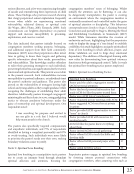
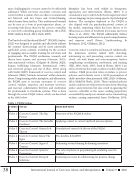
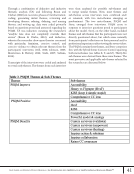
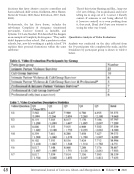
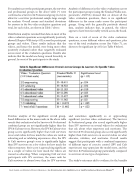
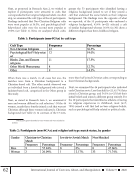
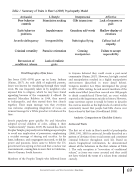
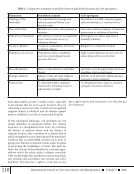
1991, 2003) has four clusters of traits (see Table
1). Antisocial traits on the checklist are those most
associated with criminal tendencies, such as juvenile
delinquency and committing multiple types of crime.
Lifestyle traits include frequently seeking physiological
stimulation (e.g., hypersexuality), impulsiveness, and
irresponsibility. These sometimes overlap with the third
cluster of interpersonal traits, which include narcissism,
pathological lying, and manipulation of others. Finally,
“affective” traits refer to emotional tendencies, such as
a lack of empathy, guilt, or remorse, apparent shallow
emotions, and failure to accept responsibility.
Best practices suggest that to make this determination,
the specific criteria on the checklist (described below)
should be compared to two sources of information for
any given person: their life history of behaviors and an
interview (Hare &Neumann, 2008). Below, we first
provide a short biography of Jones. We then compare his
recorded behaviors to the checklist. While an interview
is, of course, impossible, the authors completed a brief
email exchange with Jones’s surviving biological son,
Stephan Jones. Stephan Jones agreed to answer five
questions for the purpose of this paper, considering
his memories of his father based on our descriptions
of the Hare model. We provide his verbatim responses.
Finally, we offer a conclusion regarding whether Jim
Jones met the threshold for the label psychopath.
doi: 10.54208/1000/0009/005
Jim Jones:
Analysis of a Potential Psychopath
Elizabeth Franken1 and Wind Goodfriend2
Abstract: While several theoretical models of psychopathy have been offered over time and across academic disciplines,
the most popular today is Hare’s (1980, 1991, 2003) Psychopathy Checklist. It provides a list of behaviors commonly seen
in psychopaths, clustered into four groups of traits: antisocial (e.g., juvenile delinquency, poor behavioral control), lifestyle
(e.g., impulsiveness, lack of realistic goals), interpersonal (e.g., grandiose self-worth, conning manipulation), and affective
(emotional issues, e.g., lack of remorse and empathy for others). We used the checklist as a guide to analyze whether Jim Jones,
leader of Peoples Temple, would qualify as a psychopath under this model. Our comparison included both archival evidence
from memoirs and biographies and a brief email interview with Jones’s surviving biological son, Stephan Jones. We conclude
that Jim Jones does qualify as a psychopath according to the Hare model. While this label is cautious given concerns such as
hindsight and confirmation bias, the model may be useful for analysis of leaders of other, more contemporary, coercive groups
or cults.
Keywords: Psychopathy, Jim Jones, Peoples Temple
1 University of South Dakota
2Corresponding author. Email: goodfriend@bvu.edu
Buena Vista University
The word “psychopath” is controversial. How it is
defined has changed over time and varies depending
on context and application (Maddux et al., 2020).
Psychopathy is often compared to the clinical diagnosis
of antisocial personality disorder, which includes
symptoms such as aggression, risky sexual behaviors,
criminal actions, impulsivity, grandiose entitlement,
and lack of empathy toward others (Anderson &Kelley,
2022 Gillespie et al., 2023), which are common patterns
in the behaviors of cult leaders. The most popular
model of psychopathy among research psychologists
is Hare’s Psychopathy Checklist (Hare, 1980, 1991,
2003). The purpose of this case study is to analyze the
life of the leader of the Peoples Temple, Jim Jones, and
determine whether he qualifies as a psychopath using
the Hare checklist.
Since Hare’s checklist was created in 1980, it
has become the gold standard for assessment of
psychopathic tendencies, especially in criminals
(DeMatteo et al., 2020). The model (Hare, 1980,
1991, 2003) has four clusters of traits (see Table
1). Antisocial traits on the checklist are those most
associated with criminal tendencies, such as juvenile
delinquency and committing multiple types of crime.
Lifestyle traits include frequently seeking physiological
stimulation (e.g., hypersexuality), impulsiveness, and
irresponsibility. These sometimes overlap with the third
cluster of interpersonal traits, which include narcissism,
pathological lying, and manipulation of others. Finally,
“affective” traits refer to emotional tendencies, such as
a lack of empathy, guilt, or remorse, apparent shallow
emotions, and failure to accept responsibility.
Best practices suggest that to make this determination,
the specific criteria on the checklist (described below)
should be compared to two sources of information for
any given person: their life history of behaviors and an
interview (Hare &Neumann, 2008). Below, we first
provide a short biography of Jones. We then compare his
recorded behaviors to the checklist. While an interview
is, of course, impossible, the authors completed a brief
email exchange with Jones’s surviving biological son,
Stephan Jones. Stephan Jones agreed to answer five
questions for the purpose of this paper, considering
his memories of his father based on our descriptions
of the Hare model. We provide his verbatim responses.
Finally, we offer a conclusion regarding whether Jim
Jones met the threshold for the label psychopath.
doi: 10.54208/1000/0009/005