International Journal of Coercion, Abuse, and Manipulation Volume 9 2026 4
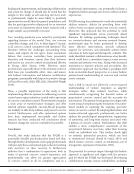
formally, and 31% of those were wrongfully arrested
instead of their abusers (NCAVP, 2016).
The phrase “intimate partner violence” has
traditionally carried cisnormative implications,
leading to the exclusion of TGD individuals in IPV
research. Consequently, survivors of T-IPV often
struggle to recognize their experiences as abuse or
hesitate to identify the violence they face because it
does not align with the typical cisgender, heterosexual
narrative of IPV (Dolan &Conroy, 2021 Kurdyla
et al., 2021). Furthermore, mental health outcomes
associated with T-IPV differ from those traditionally
studied in cisgender relationships (Henry et al., 2021
Peitzmeier et al., 2021 Scheer &Poteat, 2021). One
study revealed that 72% of TGD adults surveyed had
encountered at least one form of IPV in their lifetime,
with significant correlations found between abuse and
increased levels of anxiety and depression, especially
for victims of sexual IPV (Henry et al., 2021). The same
study, utilizing the Satisfaction with Life Scale (SWLS),
reported that TGD survivors were less likely to report
life satisfaction and faced higher risks of enduring
emotional distress and mental health issues.
The negative mental health outcomes frequently
observed among T-IPV survivors are further intensified
by inadequacies in treatment, such as unequal services
in victim support. For instance, trans women are 2.44
times more likely to receive disparate treatment after
experiencing violence (NSVRC, 2019). Considering
additional factors like unequal access to resources,
inadequate medical care, identity documentation
issues, internalized and externalized transmisia,
dysphoria, institutional betrayal, revictimization,
and other exacerbating aspects unique to T-IPV that
survivors face, the disparity in the study and treatment
of mental health outcomes between experiences with
cis-IPV and T-IPV becomes increasingly evident
(Beyer et al., 2022 Kurdyla, 2023 Seelman, 2015).
TGD victims report IPV less frequently than cisgender
victims, mainly due to potential consequences like
lack of protection, being outed, or institutional
betrayal (NCAVP, 2016). Additionally, survivors face
violence from institutions such as law enforcement
in 2022, 58% of TGD victims reported mistreatment
by police (NSVRC, 2019). Other factors like disability,
homelessness, and past transmisia further affect
reporting behaviors (Kurdyla, 2023). Formal reporting
poses serious risks for TGD individuals, often resulting
in denial of help or resources, underscoring the need
for inclusive screening and intervention practices
(Valentine et al., 2017).
Current Trauma-Informed Care for T-IPV
As it stands, many of the current trauma care models for
T-IPV survivors are informed by cis-heteronormative
language and assumptions, which limit effectiveness
by failing to address the unique relational, systemic,
and identity-based traumas TGD individuals face.
Many models focus on acute, event-based harm (e.g.,
physical or sexual violence) but can often neglect to
examine the complex, chronic relational trauma that
T-IPV survivors frequently experience. Recognizing
the longevity and complexity of interpersonal trauma
is crucial in working with this population, due to TGD
individuals facing compounding systemic invalidation
and relational betrayal not only from partners but also
from institutions meant to protect them (Goode, 2023
Dolan &Conroy, 2021).
Survivors often face coercive control reinforced by
systemic barriers—such as housing insecurity, police
mistrust, and lack of legal protections—yet many trauma
models often focus on individual healing without
addressing these structural entrapments or relational
complexity (Momen &DeKeseredy, 2020 Marrow et
al., 2024). Furthermore, these systemic factors play a
part in upholding and perpetuating identity-based
violence, which many trauma frameworks do not
explore or acknowledge. Deeper insight and analysis
of systemic factors is crucial in trauma work with TGD
individuals, as survivors are routinely misgendered,
denied services, mistreated during forensic or medical
exams, or excluded from shelters (Seelman, 2015
Kattari et al., 2020).
Despite their strengths, even the most progressive
models commonly do not offer critiques of cis-
heteronormative influences, do not explore the
necessity of building relational safety and resilience, do
not include survivor-led interventions or narratives,
and do not integrate community-based or peer-led
care, which many T-IPV survivors find more affirming
than institutional services (James et al., 2016 Scheer
&Poteat, 2021 Singh &Moss, 2016). Together,
formally, and 31% of those were wrongfully arrested
instead of their abusers (NCAVP, 2016).
The phrase “intimate partner violence” has
traditionally carried cisnormative implications,
leading to the exclusion of TGD individuals in IPV
research. Consequently, survivors of T-IPV often
struggle to recognize their experiences as abuse or
hesitate to identify the violence they face because it
does not align with the typical cisgender, heterosexual
narrative of IPV (Dolan &Conroy, 2021 Kurdyla
et al., 2021). Furthermore, mental health outcomes
associated with T-IPV differ from those traditionally
studied in cisgender relationships (Henry et al., 2021
Peitzmeier et al., 2021 Scheer &Poteat, 2021). One
study revealed that 72% of TGD adults surveyed had
encountered at least one form of IPV in their lifetime,
with significant correlations found between abuse and
increased levels of anxiety and depression, especially
for victims of sexual IPV (Henry et al., 2021). The same
study, utilizing the Satisfaction with Life Scale (SWLS),
reported that TGD survivors were less likely to report
life satisfaction and faced higher risks of enduring
emotional distress and mental health issues.
The negative mental health outcomes frequently
observed among T-IPV survivors are further intensified
by inadequacies in treatment, such as unequal services
in victim support. For instance, trans women are 2.44
times more likely to receive disparate treatment after
experiencing violence (NSVRC, 2019). Considering
additional factors like unequal access to resources,
inadequate medical care, identity documentation
issues, internalized and externalized transmisia,
dysphoria, institutional betrayal, revictimization,
and other exacerbating aspects unique to T-IPV that
survivors face, the disparity in the study and treatment
of mental health outcomes between experiences with
cis-IPV and T-IPV becomes increasingly evident
(Beyer et al., 2022 Kurdyla, 2023 Seelman, 2015).
TGD victims report IPV less frequently than cisgender
victims, mainly due to potential consequences like
lack of protection, being outed, or institutional
betrayal (NCAVP, 2016). Additionally, survivors face
violence from institutions such as law enforcement
in 2022, 58% of TGD victims reported mistreatment
by police (NSVRC, 2019). Other factors like disability,
homelessness, and past transmisia further affect
reporting behaviors (Kurdyla, 2023). Formal reporting
poses serious risks for TGD individuals, often resulting
in denial of help or resources, underscoring the need
for inclusive screening and intervention practices
(Valentine et al., 2017).
Current Trauma-Informed Care for T-IPV
As it stands, many of the current trauma care models for
T-IPV survivors are informed by cis-heteronormative
language and assumptions, which limit effectiveness
by failing to address the unique relational, systemic,
and identity-based traumas TGD individuals face.
Many models focus on acute, event-based harm (e.g.,
physical or sexual violence) but can often neglect to
examine the complex, chronic relational trauma that
T-IPV survivors frequently experience. Recognizing
the longevity and complexity of interpersonal trauma
is crucial in working with this population, due to TGD
individuals facing compounding systemic invalidation
and relational betrayal not only from partners but also
from institutions meant to protect them (Goode, 2023
Dolan &Conroy, 2021).
Survivors often face coercive control reinforced by
systemic barriers—such as housing insecurity, police
mistrust, and lack of legal protections—yet many trauma
models often focus on individual healing without
addressing these structural entrapments or relational
complexity (Momen &DeKeseredy, 2020 Marrow et
al., 2024). Furthermore, these systemic factors play a
part in upholding and perpetuating identity-based
violence, which many trauma frameworks do not
explore or acknowledge. Deeper insight and analysis
of systemic factors is crucial in trauma work with TGD
individuals, as survivors are routinely misgendered,
denied services, mistreated during forensic or medical
exams, or excluded from shelters (Seelman, 2015
Kattari et al., 2020).
Despite their strengths, even the most progressive
models commonly do not offer critiques of cis-
heteronormative influences, do not explore the
necessity of building relational safety and resilience, do
not include survivor-led interventions or narratives,
and do not integrate community-based or peer-led
care, which many T-IPV survivors find more affirming
than institutional services (James et al., 2016 Scheer
&Poteat, 2021 Singh &Moss, 2016). Together,