5
Ruby Cramer and Sarah Stillwell |SINCERE: A Relational Safety Model for Counselors
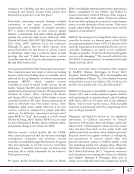
these gaps reveal a pressing need for trauma care
models that are not just inclusive in language, but
transformative in practice—grounded in relational
safety, intersectionality, and survivor-led wisdom.
Clinical Competency for Working with T-IPV
Mental health professionals are the second most
common resource sought by TGD survivors of
violence, following assistance from close friends (James
et al., 2016 Scheer &Poteat, 2021). Around 39.5% of
these survivors prefer seeking help from mental health
services instead of law enforcement, medical experts,
or hotlines (Kurdyla et al., 2021 Kattari et al., 2020).
Due to the significant level of trust placed in counselors
by this group compared to other healthcare providers,
counselors are in a unique position to detect signs of
abuse and intervene when clients are experiencing
or at risk of violence. Consequently, counselors hold
a crucial role in addressing violence against the TGD
community. Counseling professionals must understand
the complexities and characteristics of the population to
be competent in creating trans-inclusive IPV screening
instruments and trauma-informed intervention and
prevention strategies (Peitzmeier et al., 2021).
Recent studies highlight the importance of client-
centered, trauma-informed care for TGD violence
survivors (Kattari et al., 2020). Mental health providers
are often the second responders in crises involving
TGD clients (James et al., 2016 Scheer &Poteat,
2021). Those who perceive high levels of trauma-
informed care report greater empowerment, support,
emotional regulation, social connection, and physical
wellness (Scheer &Poteat, 2021). Conversely, low
perceived trauma-informed care correlates with social
withdrawal, isolation, shame, and reduced well-being
(Scheer &Poteat, 2021). This underscores the need for
counselors to develop multicultural competence and
trauma-informed approaches.
To work effectively with TGD survivors of IPV,
clinicians must develop a robust set of competencies
that extend beyond general trauma-informed care.
This includes proficiency in identity-affirming
practice, intersectional case conceptualization, and
systemic advocacy. The Sexual, Affectional, Intersex,
and Gender Expansive Identities (SAIGE) Counseling
Competencies for Working with Transgender Clients
provide a foundational framework, emphasizing
the importance of understanding gender identity
development, recognizing the impact of transmisia
and institutional betrayal, and integrating culturally
responsive interventions. Clinicians should also be
familiar with the World Professional Association for
Transgender Health (WPATH) Standards of Care,
which outline best practices for supporting TGD
individuals across medical and mental health domains
(Coleman et al., 2022). Competency in this context
means more than knowledge it requires attunement
to the lived realities of TGD survivors, the ability to
navigate complex identity-based trauma, and the
commitment to co-create therapeutic spaces that
foster safety, agency, and resilience. Without these
competencies, clinicians risk replicating the very
systems of harm that survivors are seeking refuge from.
Addressing Bias, Malpractice, and Stigma
Stigma—whether institutional, interpersonal, or
internalized—has profound and compounding
consequences for TGD survivors of IPV. For mental
health clinicians, addressing stigma is not only a clinical
imperative but an ethical responsibility. Survivors often
navigate systems that invalidate their identities, deny
them access to affirming care, or actively retraumatize
them through misclassification, misgendering, or
wrongful arrest (James et al., 2016 Kurdyla, 2023
NCAVP, 2016). These experiences of institutional
betrayal can reinforce the abuser’s control and deepen
the survivor’s sense of isolation and hopelessness
(Peitzmeier et al., 2021 Scheer &Poteat, 2021).
Interpersonal stigma within clinical relationships—
such as pathologizing gender identity, minimizing
abuse, or failing to broach identity—can result in
malpractice and further psychological harm. Survivors
may internalize these messages, leading to shame, self-
doubt, and reluctance to seek future support (Beyer
et al., 2022 Kussin-Shoptaw et al., 2017). Clinicians
must be vigilant in recognizing how their own biases,
assumptions, and cultural positioning may impact the
therapeutic alliance. This includes critically examining
how cisnormative frameworks, diagnostic tools,
and treatment models may inadvertently exclude or
misrepresent TGD experiences.
To mitigate these harms, clinicians should integrate
Ruby Cramer and Sarah Stillwell |SINCERE: A Relational Safety Model for Counselors
these gaps reveal a pressing need for trauma care
models that are not just inclusive in language, but
transformative in practice—grounded in relational
safety, intersectionality, and survivor-led wisdom.
Clinical Competency for Working with T-IPV
Mental health professionals are the second most
common resource sought by TGD survivors of
violence, following assistance from close friends (James
et al., 2016 Scheer &Poteat, 2021). Around 39.5% of
these survivors prefer seeking help from mental health
services instead of law enforcement, medical experts,
or hotlines (Kurdyla et al., 2021 Kattari et al., 2020).
Due to the significant level of trust placed in counselors
by this group compared to other healthcare providers,
counselors are in a unique position to detect signs of
abuse and intervene when clients are experiencing
or at risk of violence. Consequently, counselors hold
a crucial role in addressing violence against the TGD
community. Counseling professionals must understand
the complexities and characteristics of the population to
be competent in creating trans-inclusive IPV screening
instruments and trauma-informed intervention and
prevention strategies (Peitzmeier et al., 2021).
Recent studies highlight the importance of client-
centered, trauma-informed care for TGD violence
survivors (Kattari et al., 2020). Mental health providers
are often the second responders in crises involving
TGD clients (James et al., 2016 Scheer &Poteat,
2021). Those who perceive high levels of trauma-
informed care report greater empowerment, support,
emotional regulation, social connection, and physical
wellness (Scheer &Poteat, 2021). Conversely, low
perceived trauma-informed care correlates with social
withdrawal, isolation, shame, and reduced well-being
(Scheer &Poteat, 2021). This underscores the need for
counselors to develop multicultural competence and
trauma-informed approaches.
To work effectively with TGD survivors of IPV,
clinicians must develop a robust set of competencies
that extend beyond general trauma-informed care.
This includes proficiency in identity-affirming
practice, intersectional case conceptualization, and
systemic advocacy. The Sexual, Affectional, Intersex,
and Gender Expansive Identities (SAIGE) Counseling
Competencies for Working with Transgender Clients
provide a foundational framework, emphasizing
the importance of understanding gender identity
development, recognizing the impact of transmisia
and institutional betrayal, and integrating culturally
responsive interventions. Clinicians should also be
familiar with the World Professional Association for
Transgender Health (WPATH) Standards of Care,
which outline best practices for supporting TGD
individuals across medical and mental health domains
(Coleman et al., 2022). Competency in this context
means more than knowledge it requires attunement
to the lived realities of TGD survivors, the ability to
navigate complex identity-based trauma, and the
commitment to co-create therapeutic spaces that
foster safety, agency, and resilience. Without these
competencies, clinicians risk replicating the very
systems of harm that survivors are seeking refuge from.
Addressing Bias, Malpractice, and Stigma
Stigma—whether institutional, interpersonal, or
internalized—has profound and compounding
consequences for TGD survivors of IPV. For mental
health clinicians, addressing stigma is not only a clinical
imperative but an ethical responsibility. Survivors often
navigate systems that invalidate their identities, deny
them access to affirming care, or actively retraumatize
them through misclassification, misgendering, or
wrongful arrest (James et al., 2016 Kurdyla, 2023
NCAVP, 2016). These experiences of institutional
betrayal can reinforce the abuser’s control and deepen
the survivor’s sense of isolation and hopelessness
(Peitzmeier et al., 2021 Scheer &Poteat, 2021).
Interpersonal stigma within clinical relationships—
such as pathologizing gender identity, minimizing
abuse, or failing to broach identity—can result in
malpractice and further psychological harm. Survivors
may internalize these messages, leading to shame, self-
doubt, and reluctance to seek future support (Beyer
et al., 2022 Kussin-Shoptaw et al., 2017). Clinicians
must be vigilant in recognizing how their own biases,
assumptions, and cultural positioning may impact the
therapeutic alliance. This includes critically examining
how cisnormative frameworks, diagnostic tools,
and treatment models may inadvertently exclude or
misrepresent TGD experiences.
To mitigate these harms, clinicians should integrate