International Journal of Coercion, Abuse, and Manipulation Volume 9 2026 76
consider scarcity not as a peripheral variable but as an
ecological substrate that shapes radicalization in the
twenty-first century.
The Relevance of Scarcity for Cultic Studies
The COVID-19 pandemic offered a natural experiment
in how scarcity reshapes social cognition and group
behavior. Economic precarity, informational confusion,
and enforced isolation coincided with the explosive
growth of conspiracy-driven digital movements, such
as QAnon (Amarasingam &Argentino, 2020 Roose,
2021). These movements recruited not through formal
organizational hierarchies but by exploiting scarcity-
induced vulnerabilities: epistemic voids filled by
charismatic figures, emotional needs met through
parasocial relationships, and algorithmic echo-
chambers that transformed individuals into insulated
digital communities.
This phenomenon underscores the need to understand
scarcity not merely as an economic condition but as
a cross-cutting psychological and sociotechnical force.
Cultic manipulation is no longer confined to isolated
communes or authoritarian sects it now flourishes
in networked environments that translate deprivation
into digital loyalty. A scarcity-based framework offers
the conceptual bridge needed to link individual
cognition with structural forces, illuminating how
deprivation transforms into radicalization in a globally
interconnected world.
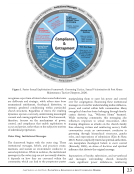
Key Frameworks for Scarcity as a Multidimensional
Construct
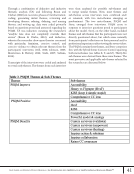
Scarcity, in simple terms, is a lack of available resources
to meet current needs. Scarcity is not a singular
variable but an interlocking set of conditions that
collectively shape human cognition, emotion, and
social behavior. Material scarcity, such as poverty,
housing insecurity, or financial precarity, imposes
cognitive load, narrowing attention and increasing
susceptibility to immediate, simplified solutions (Mani
et al., 2013 Mullainathan &Shafir, 2014). Individuals
operating under material deprivation prioritize short-
term survival over long-term reasoning, creating
fertile ground for ideologies that promise immediate
relief or certainty. Informational scarcity emerges
from epistemic ambiguity or the oversaturation of
contradictory information, conditions that erode
trust in traditional institutions and increase demand
for simplified, authoritative narratives (Starbird, Arif,
&Wilson, 2019). This dynamic helps explain why
conspiracy movements thrive in chaotic informational
environments: they transform complexity into clarity,
however illusory. Affective scarcity results from social
isolation or the erosion of communal ties. When
relational needs go unmet, individuals increasingly turn
to parasocial attachments: psychological relationships
with media figures or online communities as
compensatory sources of intimacy (Harper &Prawitz,
2022). These connections are intensified in digital
environments, where influencers, charismatic leaders,
and symbolic figures become substitutes for real-world
belonging. Finally, ecological scarcity, manifested
in climate change, environmental degradation,
and resource insecurity, activates existential threat
schemas that cultic movements readily exploit through
apocalyptic narratives and promises of salvation
(Hoffman &Sandelands, 2005).
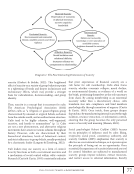
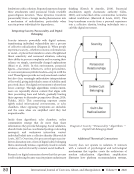
These dimensions of scarcity do not operate
independently but interact in a reinforcing loop:
material deprivation fosters epistemic distrust,
informational chaos exacerbates social isolation, and
ecological fear magnifies both. Together, they create a
deprivation ecology in which individuals are primed
for the mechanisms of radicalization.
Scarcity as a Cult Tactic
Research indicates that in times of scarcity, in-group
boundaries become more delineated. Krosch &Amodio
(2014) revealed that when primed with scarcity, White
participants perceived biracial faces as “Blacker” when
compared to a control that had not been primed with
scarcity. The urgency of scarcity seems to narrow in-
group boundaries while increasing exclusionary
criteria for outsiders. Research indicates that groups
faced with scarcity engage in unfair distribution and
delegitimization of out-group concerns, even in high
levels of government organization (Petersen et al,
2014 Skitka &Tetlock, 1991). Often, during times of
scarcity, in-group favoritism overrides fairness (Chae
et al., 2022), yet recent research also indicates that
groups exhibit increased discipline during times of
consider scarcity not as a peripheral variable but as an
ecological substrate that shapes radicalization in the
twenty-first century.
The Relevance of Scarcity for Cultic Studies
The COVID-19 pandemic offered a natural experiment
in how scarcity reshapes social cognition and group
behavior. Economic precarity, informational confusion,
and enforced isolation coincided with the explosive
growth of conspiracy-driven digital movements, such
as QAnon (Amarasingam &Argentino, 2020 Roose,
2021). These movements recruited not through formal
organizational hierarchies but by exploiting scarcity-
induced vulnerabilities: epistemic voids filled by
charismatic figures, emotional needs met through
parasocial relationships, and algorithmic echo-
chambers that transformed individuals into insulated
digital communities.
This phenomenon underscores the need to understand
scarcity not merely as an economic condition but as
a cross-cutting psychological and sociotechnical force.
Cultic manipulation is no longer confined to isolated
communes or authoritarian sects it now flourishes
in networked environments that translate deprivation
into digital loyalty. A scarcity-based framework offers
the conceptual bridge needed to link individual
cognition with structural forces, illuminating how
deprivation transforms into radicalization in a globally
interconnected world.
Key Frameworks for Scarcity as a Multidimensional
Construct
Scarcity, in simple terms, is a lack of available resources
to meet current needs. Scarcity is not a singular
variable but an interlocking set of conditions that
collectively shape human cognition, emotion, and
social behavior. Material scarcity, such as poverty,
housing insecurity, or financial precarity, imposes
cognitive load, narrowing attention and increasing
susceptibility to immediate, simplified solutions (Mani
et al., 2013 Mullainathan &Shafir, 2014). Individuals
operating under material deprivation prioritize short-
term survival over long-term reasoning, creating
fertile ground for ideologies that promise immediate
relief or certainty. Informational scarcity emerges
from epistemic ambiguity or the oversaturation of
contradictory information, conditions that erode
trust in traditional institutions and increase demand
for simplified, authoritative narratives (Starbird, Arif,
&Wilson, 2019). This dynamic helps explain why
conspiracy movements thrive in chaotic informational
environments: they transform complexity into clarity,
however illusory. Affective scarcity results from social
isolation or the erosion of communal ties. When
relational needs go unmet, individuals increasingly turn
to parasocial attachments: psychological relationships
with media figures or online communities as
compensatory sources of intimacy (Harper &Prawitz,
2022). These connections are intensified in digital
environments, where influencers, charismatic leaders,
and symbolic figures become substitutes for real-world
belonging. Finally, ecological scarcity, manifested
in climate change, environmental degradation,
and resource insecurity, activates existential threat
schemas that cultic movements readily exploit through
apocalyptic narratives and promises of salvation
(Hoffman &Sandelands, 2005).
These dimensions of scarcity do not operate
independently but interact in a reinforcing loop:
material deprivation fosters epistemic distrust,
informational chaos exacerbates social isolation, and
ecological fear magnifies both. Together, they create a
deprivation ecology in which individuals are primed
for the mechanisms of radicalization.
Scarcity as a Cult Tactic
Research indicates that in times of scarcity, in-group
boundaries become more delineated. Krosch &Amodio
(2014) revealed that when primed with scarcity, White
participants perceived biracial faces as “Blacker” when
compared to a control that had not been primed with
scarcity. The urgency of scarcity seems to narrow in-
group boundaries while increasing exclusionary
criteria for outsiders. Research indicates that groups
faced with scarcity engage in unfair distribution and
delegitimization of out-group concerns, even in high
levels of government organization (Petersen et al,
2014 Skitka &Tetlock, 1991). Often, during times of
scarcity, in-group favoritism overrides fairness (Chae
et al., 2022), yet recent research also indicates that
groups exhibit increased discipline during times of