International Journal of Coercion, Abuse, and Manipulation Volume 9 2026 28
As one respondent shared:
I felt like he was my family. I couldn’t live
without him. He made me believe he understood
me and what was right for my life, convincing
me I was too anxious and depressed to decide
for myself.
Once isolated, church members lose access to
alternative perspectives and support networks, further
reinforcing the pastor’s influence over their thoughts
and decisions. This creates an invisible cage, ultimately
leading to entrapment (Stark, 2007). Over time, this
dependency makes it increasingly difficult to recognise
manipulation or seek help, ensuring the perpetrator’s
control remains unchallenged. Importantly, isolation
does not occur in a vacuum it works in conjunction
with other grooming tactics, escalating gradually until
the victim is thoroughly enmeshed in the pastor’s
control, thereby facilitating sexual coercion.
Sexual Victimisation: Normalisation of Sexual
Content and Crossing Sexual Boundaries
Respondents were subjected to sexual victimisation that
often began with the normalisation of sexual content,
such as verbal or non-physical sexual harassment,
before escalating into explicit bodily boundary
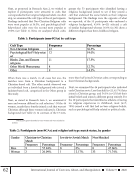
violations. For 13% of respondents, the abuse was
a single episode. However, for 63% of respondents,
there was a pattern of ongoing abusive behaviour, and
for another 23% of respondents, there were two or
more incidents. This progression aligns with Stage 6,
Creating the Victim and Instigating Sexual Contact,
in Sinnamon’s (2017) model, in which perpetrators
utilise established friendship or pastoral dynamics to
make sexual contact appear natural, spontaneous, and
consensual. Participants’ narratives reflect this pattern,
describing how trust and emotional intimacy were
strategically cultivated to disguise coercion and sustain
compliance.
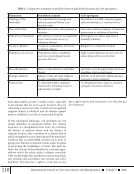
A clear and pervasive pattern of sexual harassment
behaviours was evident among respondents. The
most frequently reported actions included making
suggestive or inappropriate comments about physical
appearance (93%), engaging in inappropriate physical
contact (86%), and invading personal space (76%).
Additionally, 70% of respondents experienced sexually
suggestive comments or jokes, while 66% reported
intrusive inquiries about their sexual experiences and
similar disclosures regarding the perpetrator’s own
sexual history. Other notable behaviours included
intimidating stares or leering (61%) and repeated
unwelcome sexual gestures (54%). Less frequently,
respondents reported discussions normalising affairs
(38%), following or unexpected appearances in their
vicinity (38%), and receiving unsolicited messages at
personal locations (34%). Homophobic remarks were
the least reported, at 28%.
One respondent shared more about her experience of
sexual intimidation, stating that the pastor’s behaviours
included:
Intimidation, sexually suggestive comments,
trapping me in a room, and making sexual
threats.
Although this pastor’s behaviour did not escalate
to sexual assault, the use of sexual threats caused
considerable distress. Such threats are meant to instil
fear and establish control, granting the perpetrator
greater power over the victim (Stark, 2007). Stark
(2007) argues that threats are effective because women
often feel unable to ignore them, dismiss them, or
walk away without facing repercussions (p. 314). This
perpetuates gendered power dynamics that reinforce
a culture of male dominance and female submission
within the community (Crossman &Hardesty, 2018
Stark, 2007).
Some respondents were able to recognise, report,
or interrupt the pastor’s ongoing sexual pursuit.
As Sinnamon (2017) notes, in cases of adult sexual
grooming, a critical rupture often occurs when the
perpetrator’s behaviour becomes overtly sexual. This
pattern was reflected in the survey findings. One
respondent explained:
I was fortunate enough to realise early on
what he was trying to do and was in a safe
enough position to refuse his advances. It
helped that I found him repulsive.
Several respondents described similar experiences
in which they were subjected to sexually harassing
behaviours, but these behaviours did not escalate to
As one respondent shared:
I felt like he was my family. I couldn’t live
without him. He made me believe he understood
me and what was right for my life, convincing
me I was too anxious and depressed to decide
for myself.
Once isolated, church members lose access to
alternative perspectives and support networks, further
reinforcing the pastor’s influence over their thoughts
and decisions. This creates an invisible cage, ultimately
leading to entrapment (Stark, 2007). Over time, this
dependency makes it increasingly difficult to recognise
manipulation or seek help, ensuring the perpetrator’s
control remains unchallenged. Importantly, isolation
does not occur in a vacuum it works in conjunction
with other grooming tactics, escalating gradually until
the victim is thoroughly enmeshed in the pastor’s
control, thereby facilitating sexual coercion.
Sexual Victimisation: Normalisation of Sexual
Content and Crossing Sexual Boundaries
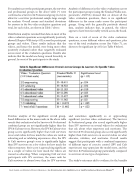
Respondents were subjected to sexual victimisation that
often began with the normalisation of sexual content,
such as verbal or non-physical sexual harassment,
before escalating into explicit bodily boundary
violations. For 13% of respondents, the abuse was
a single episode. However, for 63% of respondents,
there was a pattern of ongoing abusive behaviour, and
for another 23% of respondents, there were two or
more incidents. This progression aligns with Stage 6,
Creating the Victim and Instigating Sexual Contact,
in Sinnamon’s (2017) model, in which perpetrators
utilise established friendship or pastoral dynamics to
make sexual contact appear natural, spontaneous, and
consensual. Participants’ narratives reflect this pattern,
describing how trust and emotional intimacy were
strategically cultivated to disguise coercion and sustain
compliance.
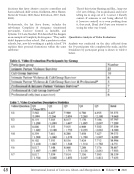
A clear and pervasive pattern of sexual harassment
behaviours was evident among respondents. The
most frequently reported actions included making
suggestive or inappropriate comments about physical
appearance (93%), engaging in inappropriate physical
contact (86%), and invading personal space (76%).
Additionally, 70% of respondents experienced sexually
suggestive comments or jokes, while 66% reported
intrusive inquiries about their sexual experiences and
similar disclosures regarding the perpetrator’s own
sexual history. Other notable behaviours included
intimidating stares or leering (61%) and repeated
unwelcome sexual gestures (54%). Less frequently,
respondents reported discussions normalising affairs
(38%), following or unexpected appearances in their
vicinity (38%), and receiving unsolicited messages at
personal locations (34%). Homophobic remarks were
the least reported, at 28%.
One respondent shared more about her experience of
sexual intimidation, stating that the pastor’s behaviours
included:
Intimidation, sexually suggestive comments,
trapping me in a room, and making sexual
threats.
Although this pastor’s behaviour did not escalate
to sexual assault, the use of sexual threats caused
considerable distress. Such threats are meant to instil
fear and establish control, granting the perpetrator
greater power over the victim (Stark, 2007). Stark
(2007) argues that threats are effective because women
often feel unable to ignore them, dismiss them, or
walk away without facing repercussions (p. 314). This
perpetuates gendered power dynamics that reinforce
a culture of male dominance and female submission
within the community (Crossman &Hardesty, 2018
Stark, 2007).
Some respondents were able to recognise, report,
or interrupt the pastor’s ongoing sexual pursuit.
As Sinnamon (2017) notes, in cases of adult sexual
grooming, a critical rupture often occurs when the
perpetrator’s behaviour becomes overtly sexual. This
pattern was reflected in the survey findings. One
respondent explained:
I was fortunate enough to realise early on
what he was trying to do and was in a safe
enough position to refuse his advances. It
helped that I found him repulsive.
Several respondents described similar experiences
in which they were subjected to sexually harassing
behaviours, but these behaviours did not escalate to