International Journal of Coercion, Abuse, and Manipulation Volume 9 2026 70
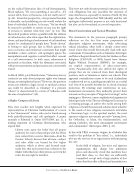
Several of Jones’s childhood playmates report
memories of his strange early behaviors (Guinn,
2017). Despite agnostic or atheist parents, Jones
developed a deep fascination with religious ideology,
including performing unnerving funeral services for
animals. He may have even killed animals. Children
who were reluctant or refused to comply with Jones’s
demands were physically punished or verbally berated,
foreshadowing his later authoritarian leadership style
and general lack of behavioral control when confronted.
He also frequently engaged in petty theft from the local
convenience store as a child (Guinn, 2017).
Years later, Jones’s temperament escalated to the point
of drugging unwitting congregants if they spoke out
against him—essentially using them as examples to
demonstrate his “powers” (Scheeres, 2011). He also
manipulated people into sexual relationships, and in at
least one case, drugged a woman who refused to have
sex with him (Guinn, 2017). Eventually, he coordinated
the assassination of Leo Ryan and others, as well as the
deaths of over 900 other people, a tragic display of his
criminal versatility.
When we described the list of antisocial traits in the
Hare model to Stephan Jones and asked him if his
father displayed any of them, he responded:
Lifestyle Traits
Hare’s second cluster is lifestyle traits, including
stimulation seeking, impulsiveness, irresponsibility,
parasitic orientation, and a lack of realistic goals
(Hare &Neumann, 2008). Noted for his eccentricity
and impetuousness from early on in his life until the
I’d say Dad had little regard for the law and he
did plenty of things that were criminal. There
was no juvenile delinquency that I am aware
of. From what I’ve heard and read, Dad was
curious, precocious, eccentric, and dramatic
in his childhood, but I am not sure I would
characterize him as having had “behavioral
problems.” His drug abuse and rages (which
were often resulting from the drug abuse) are
examples of poor behavior control, though I
think he acted in a calculated manner, for the
most part, until the last year or two of his life.
final days of Jonestown, descriptions and analyses
of Jim Jones indicate that he exhibited each of the
characteristics listed. He initially established the Peoples
Temple in 1960 to help the poor, elderly, and targets of
segregation his charismatic nature and fiery sermons
attracted hundreds, then thousands of followers based
on lofty promises of social justice (Guinn, 2017).
Despite his success, he impulsively moved to Ukiah,
California, in response to a “vision of nuclear war and
worldwide devastation” in 1961 (Layton, 1998, p. 34).
However, the choice of location was based on an article
Jones read in Esquire magazine (Guinn, 2017).
Jones often complained about having to take pain
medications during his sermons due to miscellaneous
ailments and injuries however, he was never
diagnosed with any specific condition requiring
their use (Scheeres, 2011). Through donations to the
Peoples Temple, Jones created a network of secret
bank accounts under false names totaling perhaps $10
million, including one personal account in his name
with an initial deposit of $1.5 million (Lindsey, 1978).
In Guyana, most people lived in sweltering heat and
mass housing, while Jones enjoyed a private home with
electricity, a refrigerator, and extra food (Guinn, 2017).
When Ryan visited, and some Jonestown members
requested leaving with him, Jones’s anger and feelings
of betrayal apparently led to his impulsive decision to
kill everyone.
Stephan Jones’s response to the question of whether
his father displayed the lifestyle traits listed in Hare’s
psychopathy model was very brief. While our email
provided all five criteria, he focused only on the final
item: “Yep. Dad did not lack realistic goals, but he had
many unrealistic ones.”
Interpersonal Traits
The third cluster of traits in Hare’s model comprises
narcissism and manipulation (Hare &Neumann,
2008). With abundant examples of chronic deceit,
grandiosity, and superficiality throughout his life,
Jones clearly demonstrated each of these criteria. Jones
recruited new members through careful manipulation,
often pretending to align with their personal interests
and making them feel special (Guinn, 2017). He also
resorted to the tricks of the revivalist movement,
Several of Jones’s childhood playmates report
memories of his strange early behaviors (Guinn,
2017). Despite agnostic or atheist parents, Jones
developed a deep fascination with religious ideology,
including performing unnerving funeral services for
animals. He may have even killed animals. Children
who were reluctant or refused to comply with Jones’s
demands were physically punished or verbally berated,
foreshadowing his later authoritarian leadership style
and general lack of behavioral control when confronted.
He also frequently engaged in petty theft from the local
convenience store as a child (Guinn, 2017).
Years later, Jones’s temperament escalated to the point
of drugging unwitting congregants if they spoke out
against him—essentially using them as examples to
demonstrate his “powers” (Scheeres, 2011). He also
manipulated people into sexual relationships, and in at
least one case, drugged a woman who refused to have
sex with him (Guinn, 2017). Eventually, he coordinated
the assassination of Leo Ryan and others, as well as the
deaths of over 900 other people, a tragic display of his
criminal versatility.
When we described the list of antisocial traits in the
Hare model to Stephan Jones and asked him if his
father displayed any of them, he responded:
Lifestyle Traits
Hare’s second cluster is lifestyle traits, including
stimulation seeking, impulsiveness, irresponsibility,
parasitic orientation, and a lack of realistic goals
(Hare &Neumann, 2008). Noted for his eccentricity
and impetuousness from early on in his life until the
I’d say Dad had little regard for the law and he
did plenty of things that were criminal. There
was no juvenile delinquency that I am aware
of. From what I’ve heard and read, Dad was
curious, precocious, eccentric, and dramatic
in his childhood, but I am not sure I would
characterize him as having had “behavioral
problems.” His drug abuse and rages (which
were often resulting from the drug abuse) are
examples of poor behavior control, though I
think he acted in a calculated manner, for the
most part, until the last year or two of his life.
final days of Jonestown, descriptions and analyses
of Jim Jones indicate that he exhibited each of the
characteristics listed. He initially established the Peoples
Temple in 1960 to help the poor, elderly, and targets of
segregation his charismatic nature and fiery sermons
attracted hundreds, then thousands of followers based
on lofty promises of social justice (Guinn, 2017).
Despite his success, he impulsively moved to Ukiah,
California, in response to a “vision of nuclear war and
worldwide devastation” in 1961 (Layton, 1998, p. 34).
However, the choice of location was based on an article
Jones read in Esquire magazine (Guinn, 2017).
Jones often complained about having to take pain
medications during his sermons due to miscellaneous
ailments and injuries however, he was never
diagnosed with any specific condition requiring
their use (Scheeres, 2011). Through donations to the
Peoples Temple, Jones created a network of secret
bank accounts under false names totaling perhaps $10
million, including one personal account in his name
with an initial deposit of $1.5 million (Lindsey, 1978).
In Guyana, most people lived in sweltering heat and
mass housing, while Jones enjoyed a private home with
electricity, a refrigerator, and extra food (Guinn, 2017).
When Ryan visited, and some Jonestown members
requested leaving with him, Jones’s anger and feelings
of betrayal apparently led to his impulsive decision to
kill everyone.
Stephan Jones’s response to the question of whether
his father displayed the lifestyle traits listed in Hare’s
psychopathy model was very brief. While our email
provided all five criteria, he focused only on the final
item: “Yep. Dad did not lack realistic goals, but he had
many unrealistic ones.”
Interpersonal Traits
The third cluster of traits in Hare’s model comprises
narcissism and manipulation (Hare &Neumann,
2008). With abundant examples of chronic deceit,
grandiosity, and superficiality throughout his life,
Jones clearly demonstrated each of these criteria. Jones
recruited new members through careful manipulation,
often pretending to align with their personal interests
and making them feel special (Guinn, 2017). He also
resorted to the tricks of the revivalist movement,