International Journal of Coercion, Abuse, and Manipulation Volume 9 2026 14
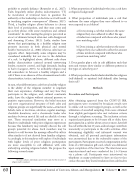
a more inclusive, responsive, and ethically grounded
field of counseling.
Implications for Mental Health Clinicians
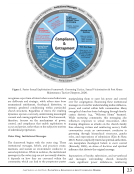
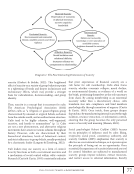
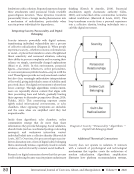
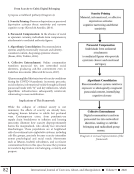
The SINCERE model offers mental health clinicians
a trauma-informed, identity-affirming framework
for supporting TGD survivors of IPV. Its emphasis
on relational safety invites clinicians to move
beyond symptom management and toward co-
creating therapeutic environments that foster trust,
empowerment, and healing. Given the high rates of IPV,
sexual coercion, and systemic exclusion faced by TGD
individuals, clinicians must be equipped to recognize
identity-specific abuse tactics, such as manipulation,
misgendering, and threats of outing, and respond with
nuanced, culturally responsive care.
To increase clinical competency when working with
TGD survivors of IPV, mental health clinicians must
engage with established professional guidelines
that center on affirming, ethical care. The WPATH
Standards of Care (SOC), now in Version 8, provide
comprehensive recommendations for gender-
affirming clinical practice, including trauma-
informed approaches and considerations for mental
health support across the lifespan. These standards
emphasize respect for self-determination, informed
consent, and the importance of culturally responsive
care—principles that align directly with the SINCERE
model’s emphasis on relational safety. Additionally, the
SAIGE Counseling Competencies for Working with
Transgender Clients offer a framework tailored to the
counseling profession, outlining specific knowledge,
skills, and attitudes necessary for effective, affirming
work with TGD individuals. These competencies
highlight the need for counselors to understand
systemic oppression, identity-based trauma, and the
sociopolitical contexts that shape TGD clients’ lived
experiences. Integrating both WPATH and SAIGE
guidance into clinical training and supervision not
only enhances practitioner readiness but also helps
ensure that therapeutic spaces are equipped to meet
the complex needs of TGD IPV survivors with dignity,
precision, and care.
Clinicians are uniquely positioned to intervene
early, validate survivor experiences, and advocate
within systems that often fail TGD communities.
This requires ongoing education in trans-affirming
practices, familiarity with current standards of care
(e.g., WPATH), and active engagement with local
resources and advocacy networks. The SINCERE
model encourages providers to integrate knowledge
of intersectionality, minority stress, and institutional
betrayal into their clinical formulation, treatment
planning, and safety strategies. By attending to signs
of abuse, contextualizing client narratives, and
establishing visibly affirming spaces, clinicians can
reduce retraumatization and promote resilience.
Ultimately, the model challenges mental health
professionals to embody both clinical competence and
ethical responsibility—serving not only as healers, but
as agents of systemic change.
a more inclusive, responsive, and ethically grounded
field of counseling.
Implications for Mental Health Clinicians
The SINCERE model offers mental health clinicians
a trauma-informed, identity-affirming framework
for supporting TGD survivors of IPV. Its emphasis
on relational safety invites clinicians to move
beyond symptom management and toward co-
creating therapeutic environments that foster trust,
empowerment, and healing. Given the high rates of IPV,
sexual coercion, and systemic exclusion faced by TGD
individuals, clinicians must be equipped to recognize
identity-specific abuse tactics, such as manipulation,
misgendering, and threats of outing, and respond with
nuanced, culturally responsive care.
To increase clinical competency when working with
TGD survivors of IPV, mental health clinicians must
engage with established professional guidelines
that center on affirming, ethical care. The WPATH
Standards of Care (SOC), now in Version 8, provide
comprehensive recommendations for gender-
affirming clinical practice, including trauma-
informed approaches and considerations for mental
health support across the lifespan. These standards
emphasize respect for self-determination, informed
consent, and the importance of culturally responsive
care—principles that align directly with the SINCERE
model’s emphasis on relational safety. Additionally, the
SAIGE Counseling Competencies for Working with
Transgender Clients offer a framework tailored to the
counseling profession, outlining specific knowledge,
skills, and attitudes necessary for effective, affirming
work with TGD individuals. These competencies
highlight the need for counselors to understand
systemic oppression, identity-based trauma, and the
sociopolitical contexts that shape TGD clients’ lived
experiences. Integrating both WPATH and SAIGE
guidance into clinical training and supervision not
only enhances practitioner readiness but also helps
ensure that therapeutic spaces are equipped to meet
the complex needs of TGD IPV survivors with dignity,
precision, and care.
Clinicians are uniquely positioned to intervene
early, validate survivor experiences, and advocate
within systems that often fail TGD communities.
This requires ongoing education in trans-affirming
practices, familiarity with current standards of care
(e.g., WPATH), and active engagement with local
resources and advocacy networks. The SINCERE
model encourages providers to integrate knowledge
of intersectionality, minority stress, and institutional
betrayal into their clinical formulation, treatment
planning, and safety strategies. By attending to signs
of abuse, contextualizing client narratives, and
establishing visibly affirming spaces, clinicians can
reduce retraumatization and promote resilience.
Ultimately, the model challenges mental health
professionals to embody both clinical competence and
ethical responsibility—serving not only as healers, but
as agents of systemic change.