International Journal of Coercion, Abuse, and Manipulation Volume 9 2026 32
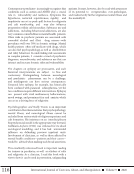
qualitative interviews prevented deeper insights into
individual grooming processes and impacts, while
word limits and researcher bias may have influenced
interpretation. Finally, as an exploratory study focused
on Australian Evangelical Pentecostal churches,
the findings may not apply to other regions or faith
communities however, existing literature on clergy-
perpetrated sexual misconduct indicates that similar
patterns of grooming, coercion, and institutional
complicity occur across diverse denominations and
cultural contexts (de Weger, 2016 Flynn, 2003
Kennedy, 2009 ).
Conclusion
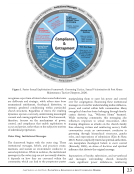
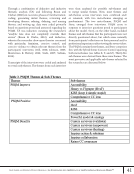
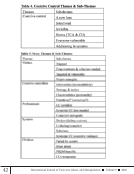
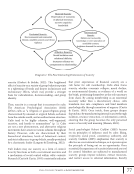
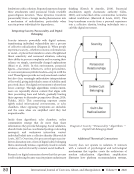
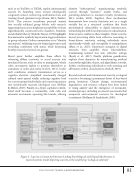
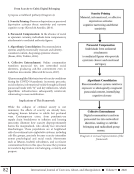
The Pastor Sexual Exploitation Framework of
Adult Congregation Members has been introduced,
highlighting the tactics used to achieve compliance
and entrapment, as well as the deep impact of
sexual exploitation, causing widespread emotional,
psychological, physical, financial, relational, and
spiritual harms. The findings align with existing research
on gender-based sexual violence, underscoring the
complexity and insidious nature of adult clergy sexual
abuse. This explorative study underscores the critical
need for greater awareness of what constitutes pastor
sexual exploitation within religious institutions and for
comprehensive measures to prevent and address sexual
exploitation within religious settings.
By acknowledging the profound impact of such
exploitation and committing to systemic change, faith
communities can work toward healing and ensuring
the well-being of all members. Equally important is the
recognition within legal and safeguarding frameworks
that sexual activity occurring under conditions of
pastoral authority cannot constitute meaningful
consent. Adults, like minors, can be rendered
vulnerable through power, dependency, and spiritual
coercion, yet such dynamics remain inadequately
addressed in current legislation and institutional
policy. By acknowledging the profound impact of
such exploitation and committing to systemic change,
faith communities and policymakers can work toward
justice, healing, and safety for all.
qualitative interviews prevented deeper insights into
individual grooming processes and impacts, while
word limits and researcher bias may have influenced
interpretation. Finally, as an exploratory study focused
on Australian Evangelical Pentecostal churches,
the findings may not apply to other regions or faith
communities however, existing literature on clergy-
perpetrated sexual misconduct indicates that similar
patterns of grooming, coercion, and institutional
complicity occur across diverse denominations and
cultural contexts (de Weger, 2016 Flynn, 2003
Kennedy, 2009 ).
Conclusion
The Pastor Sexual Exploitation Framework of
Adult Congregation Members has been introduced,
highlighting the tactics used to achieve compliance
and entrapment, as well as the deep impact of
sexual exploitation, causing widespread emotional,
psychological, physical, financial, relational, and
spiritual harms. The findings align with existing research
on gender-based sexual violence, underscoring the
complexity and insidious nature of adult clergy sexual
abuse. This explorative study underscores the critical
need for greater awareness of what constitutes pastor
sexual exploitation within religious institutions and for
comprehensive measures to prevent and address sexual
exploitation within religious settings.
By acknowledging the profound impact of such
exploitation and committing to systemic change, faith
communities can work toward healing and ensuring
the well-being of all members. Equally important is the
recognition within legal and safeguarding frameworks
that sexual activity occurring under conditions of
pastoral authority cannot constitute meaningful
consent. Adults, like minors, can be rendered
vulnerable through power, dependency, and spiritual
coercion, yet such dynamics remain inadequately
addressed in current legislation and institutional
policy. By acknowledging the profound impact of
such exploitation and committing to systemic change,
faith communities and policymakers can work toward
justice, healing, and safety for all.