International Journal of Coercion, Abuse, and Manipulation Volume 9 2026 50
of survivors becoming professionals because it suggests
a deeper and stronger appreciation of the issues and
concepts, and implies an experience and professional
work combination that may be beneficial in these
settings, potentially both for the professional and their
clients.
Comparing the Qualitative and Quantitative Results
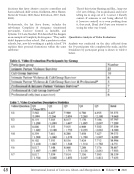
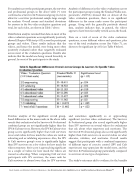
A comparison of the qualitative and quantitative analyses
reveals that the interviews and video evaluations
both show strong appreciation for the PSQM among
the participants in the study. Even where significant
differences existed between participant groups, scores
across questions and videos were positively skewed,
and themes from the qualitative analysis, with few
exceptions, indicate that most participants found the
model validating, empowering, inspiring, motivating,
educational, and visually appropriate. Scores between
groups that were significantly different (albeit a small
minority) and the thematic analysis together indicate
potentially heightened model utility for participants
with varied experiences of coercive control across
contexts, including in combination with professional
experience, suggesting that the more experience a
person has of coercive control, and if they are also
working professionally in the field, the more they find
the PSQM to be accurate and useful.
The only video evaluation question that showed
no significant or approaching significant difference
between groups in the quantitative analysis was the
question about visual appropriateness. This result
aligned with the interview suggestions, where the
accessibility themes were most prevalent, and answers
regarding images drew the most suggestions for
improvement of the model. Prior to conducting the
research, a re-design of images following participant
feedback was intended, given the importance of visual
imagery in such models, and both the video evaluations
and interviews confirmed a need to do so. Since the
research was initially conducted, improvements have
been made to the PSQM in alignment with participants’
insights and recommendations.
The main distinction between quantitative and
qualitative data appears in the Story meta-theme,
themes, and sub-themes. While quantitative data
was derived from video evaluation questions directly
relevant to research questions on PSQM utility,
participant interviews offered more latitude to
explore not only the model, but also the concepts and
participants’ experiences, as reported above.
Discussion
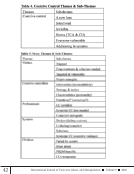
The research study interviewees provided useful,
in-depth, first-hand accounts of their personal and
professional experiences of coercive control within the
contexts of individual and group coercive controllers.
Their breadth and depth of understanding of the
complex and nuanced subject proved to be invaluable
for critiquing the PSQM’s positive and beneficial
aspects, as well as furnishing critical insights for
model improvement. The outcomes of empowerment,
motivation, and validation were salient in both
professionals’ and survivors’ responses to the PSQM.
They were repeated throughout the meta-themes,
themes, and sub-themes identified by thematic analysis.
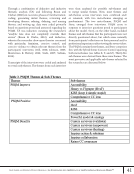
In the Story themes and sub-themes, the PSQM appears
to have facilitated a perception of additional participant
empowerment, validation, inspiration, and hope for
the future. While interviewees not only indicated the
PSQM’s effectiveness and importance through the
PSQM meta-theme, the rich personal experiences as
identified in the Story meta-theme appear to have given
participants the opportunity to tell and reflect on their
stories in ways that also might be potentially beneficial
to them psychologically. Findings could also be due,
in part, to the combination of lived and professional
experience of the researcher, as also indicated by higher
quantitative evaluations of the model for participants
with that combination of experiences.
Several survivors expressed how harmful experiences
of victim-blaming and DARVO had been, and some
professionals mentioned this re-traumatization as
well. The Story meta-theme was present in every
interview (even though it was not directly anticipated
at the outset), with systemic coercive control, victim
entrapment, and coercive controller strategies for
targeting victims being the most prevalent. Participants
also offered useful learning points for contextualizing
coercive control: namely, appropriately blaming
perpetrators, centering survivors’ experiences,
emphasizing survivors’ strengths, raising coercive
control awareness, removing roadblocks to survivor
of survivors becoming professionals because it suggests
a deeper and stronger appreciation of the issues and
concepts, and implies an experience and professional
work combination that may be beneficial in these
settings, potentially both for the professional and their
clients.
Comparing the Qualitative and Quantitative Results
A comparison of the qualitative and quantitative analyses
reveals that the interviews and video evaluations
both show strong appreciation for the PSQM among
the participants in the study. Even where significant
differences existed between participant groups, scores
across questions and videos were positively skewed,
and themes from the qualitative analysis, with few
exceptions, indicate that most participants found the
model validating, empowering, inspiring, motivating,
educational, and visually appropriate. Scores between
groups that were significantly different (albeit a small
minority) and the thematic analysis together indicate
potentially heightened model utility for participants
with varied experiences of coercive control across
contexts, including in combination with professional
experience, suggesting that the more experience a
person has of coercive control, and if they are also
working professionally in the field, the more they find
the PSQM to be accurate and useful.
The only video evaluation question that showed
no significant or approaching significant difference
between groups in the quantitative analysis was the
question about visual appropriateness. This result
aligned with the interview suggestions, where the
accessibility themes were most prevalent, and answers
regarding images drew the most suggestions for
improvement of the model. Prior to conducting the
research, a re-design of images following participant
feedback was intended, given the importance of visual
imagery in such models, and both the video evaluations
and interviews confirmed a need to do so. Since the
research was initially conducted, improvements have
been made to the PSQM in alignment with participants’
insights and recommendations.
The main distinction between quantitative and
qualitative data appears in the Story meta-theme,
themes, and sub-themes. While quantitative data
was derived from video evaluation questions directly
relevant to research questions on PSQM utility,
participant interviews offered more latitude to
explore not only the model, but also the concepts and
participants’ experiences, as reported above.
Discussion
The research study interviewees provided useful,
in-depth, first-hand accounts of their personal and
professional experiences of coercive control within the
contexts of individual and group coercive controllers.
Their breadth and depth of understanding of the
complex and nuanced subject proved to be invaluable
for critiquing the PSQM’s positive and beneficial
aspects, as well as furnishing critical insights for
model improvement. The outcomes of empowerment,
motivation, and validation were salient in both
professionals’ and survivors’ responses to the PSQM.
They were repeated throughout the meta-themes,
themes, and sub-themes identified by thematic analysis.
In the Story themes and sub-themes, the PSQM appears
to have facilitated a perception of additional participant
empowerment, validation, inspiration, and hope for
the future. While interviewees not only indicated the
PSQM’s effectiveness and importance through the
PSQM meta-theme, the rich personal experiences as
identified in the Story meta-theme appear to have given
participants the opportunity to tell and reflect on their
stories in ways that also might be potentially beneficial
to them psychologically. Findings could also be due,
in part, to the combination of lived and professional
experience of the researcher, as also indicated by higher
quantitative evaluations of the model for participants
with that combination of experiences.
Several survivors expressed how harmful experiences
of victim-blaming and DARVO had been, and some
professionals mentioned this re-traumatization as
well. The Story meta-theme was present in every
interview (even though it was not directly anticipated
at the outset), with systemic coercive control, victim
entrapment, and coercive controller strategies for
targeting victims being the most prevalent. Participants
also offered useful learning points for contextualizing
coercive control: namely, appropriately blaming
perpetrators, centering survivors’ experiences,
emphasizing survivors’ strengths, raising coercive
control awareness, removing roadblocks to survivor