International Journal of Coercion, Abuse, and Manipulation Volume 9 2026 122
• honor the leader, who would protect them from the
troubles of the world, end all hardships, save them
from misfortune, and grant them the highest truth.
• know that chanting this hymn would make their
good dreams come true and end their bad dreams.
It would remove all difficulties and fulfill every
desire, including success, wealth, pleasure, and
true freedom. It would wash away sins and worldly
cares, cure major illnesses, and take away their fear
of death. It would also grant superhuman powers
and the ability to control other people. It would
allow an infertile woman to bear a child.
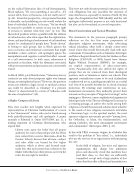
Any emotion deemed to be negative was frowned
upon, its existence condemned. The members were
viewed as the source of any problem. A critical thought
or emotion indicated that the member was failing on
their path to enlightenment.4
1
Enlightenment was used as a mechanism to control
Anika and her parents, who dedicated their lives to
attaining enlightenment through ongoing practices.
They followed all the prescribed actions. Anika’s father
once told her half-sister (not a cult member), when she
recommended a fiction book to him, “Oh, well, now I
only read books written by enlightened beings. I am
not going to read that book.”
Dissociation Resulting from the Drive to Attain
Enlightenment
Anika and David describe the cult as being structured
around a mandated, unchanging, seven-day-a-week
daily schedule that was prescribed for all resident cult
members. Chanting in Sanskrit for up to seven hours
a day dissociated members from thoughts and feelings.
Followers were encouraged to “lose themselves in the
chant.” Sitting on the floor for prolonged chanting
and meditation, forcing a dissociation from physical
discomfort. Conducting chants and worship ceremonies
to various Hindu gods and goddesses enhanced
dissociation. These practices encouraged people to
focus on the divine, not themselves. Meditating to rise
above individual consciousness and attain complete
absorption in God, whereby the sense of individuality
dissolves, reinforced dissociative states.
4 Cults can undermine and control members’ emotional lives by
labeling negative emotions as “bad” and, thus, deterring them from moving
towards a state of equanimity (Whitsett, 2014).
Performing many hours each day of seva, or selfless
service (i.e., working without pay) and complying with
instructions on what to do and how to do it caused
dissociation from personal interests and preferences.
If anyone in this group was not productive, they were
castigated. They had little free time to play, explore,
contemplate, or recoup. Anika and the other core
members were often in a state of physical and emotional
exhaustion or sleep deprivation.
Pujas were installed throughout the cult’s facilities: in
every office, in every meeting room, in the dining areas,
in every public area, in each follower’s room, and even
on their car dashboards. A bookstore in each facility
sold the latest photos of the leader, books by the leader,
and assorted paraphernalia. The pervasive images of
the leader and the inculcated sense of worship further
subjugated the individual and induced dissociation
in community members. Additionally, the leader
monitored followers through closed-circuit cameras
mounted throughout the facility.
Members attended regular, long lectures, which the
leader gave from his throne on a dais. Followers sat
cross-legged quietly on the floor and listened closely,
often taking notes. The teachings were reinforced
through courses, retreats, study groups, and costly
weekend programs. The leader and senior cult
teachers shared stories from other spiritual traditions
about surrendering to a master with total devotion or
performing countless years of selfless service without
question. These stories presented total surrender as an
elevated goal for one’s life. The ideal was to become an
“empty vessel,” a “pure container,” and have a stilled
mind, further emphasizing the goal of a dissociative
state.
Members were coached and praised for sharing in
public programs an account of having a profound
meditation experience, surrendering to the cult leader,
experiencing the leader’s omnipotence or perfection, or
achieving a thoughtless state. Examples of meditation
experiences included having visions, seeing lights,
experiencing involuntary physical movements, or
experiencing a sense of oneness with the divine. This
reinforced the goal of separating and dissociating the
individual from the wider world.
Cult members were encouraged to remain silent as
• honor the leader, who would protect them from the
troubles of the world, end all hardships, save them
from misfortune, and grant them the highest truth.
• know that chanting this hymn would make their
good dreams come true and end their bad dreams.
It would remove all difficulties and fulfill every
desire, including success, wealth, pleasure, and
true freedom. It would wash away sins and worldly
cares, cure major illnesses, and take away their fear
of death. It would also grant superhuman powers
and the ability to control other people. It would
allow an infertile woman to bear a child.
Any emotion deemed to be negative was frowned
upon, its existence condemned. The members were
viewed as the source of any problem. A critical thought
or emotion indicated that the member was failing on
their path to enlightenment.4
1
Enlightenment was used as a mechanism to control
Anika and her parents, who dedicated their lives to
attaining enlightenment through ongoing practices.
They followed all the prescribed actions. Anika’s father
once told her half-sister (not a cult member), when she
recommended a fiction book to him, “Oh, well, now I
only read books written by enlightened beings. I am
not going to read that book.”
Dissociation Resulting from the Drive to Attain
Enlightenment
Anika and David describe the cult as being structured
around a mandated, unchanging, seven-day-a-week
daily schedule that was prescribed for all resident cult
members. Chanting in Sanskrit for up to seven hours
a day dissociated members from thoughts and feelings.
Followers were encouraged to “lose themselves in the
chant.” Sitting on the floor for prolonged chanting
and meditation, forcing a dissociation from physical
discomfort. Conducting chants and worship ceremonies
to various Hindu gods and goddesses enhanced
dissociation. These practices encouraged people to
focus on the divine, not themselves. Meditating to rise
above individual consciousness and attain complete
absorption in God, whereby the sense of individuality
dissolves, reinforced dissociative states.
4 Cults can undermine and control members’ emotional lives by
labeling negative emotions as “bad” and, thus, deterring them from moving
towards a state of equanimity (Whitsett, 2014).
Performing many hours each day of seva, or selfless
service (i.e., working without pay) and complying with
instructions on what to do and how to do it caused
dissociation from personal interests and preferences.
If anyone in this group was not productive, they were
castigated. They had little free time to play, explore,
contemplate, or recoup. Anika and the other core
members were often in a state of physical and emotional
exhaustion or sleep deprivation.
Pujas were installed throughout the cult’s facilities: in
every office, in every meeting room, in the dining areas,
in every public area, in each follower’s room, and even
on their car dashboards. A bookstore in each facility
sold the latest photos of the leader, books by the leader,
and assorted paraphernalia. The pervasive images of
the leader and the inculcated sense of worship further
subjugated the individual and induced dissociation
in community members. Additionally, the leader
monitored followers through closed-circuit cameras
mounted throughout the facility.
Members attended regular, long lectures, which the
leader gave from his throne on a dais. Followers sat
cross-legged quietly on the floor and listened closely,
often taking notes. The teachings were reinforced
through courses, retreats, study groups, and costly
weekend programs. The leader and senior cult
teachers shared stories from other spiritual traditions
about surrendering to a master with total devotion or
performing countless years of selfless service without
question. These stories presented total surrender as an
elevated goal for one’s life. The ideal was to become an
“empty vessel,” a “pure container,” and have a stilled
mind, further emphasizing the goal of a dissociative
state.
Members were coached and praised for sharing in
public programs an account of having a profound
meditation experience, surrendering to the cult leader,
experiencing the leader’s omnipotence or perfection, or
achieving a thoughtless state. Examples of meditation
experiences included having visions, seeing lights,
experiencing involuntary physical movements, or
experiencing a sense of oneness with the divine. This
reinforced the goal of separating and dissociating the
individual from the wider world.
Cult members were encouraged to remain silent as