International Journal of Coercion, Abuse, and Manipulation Volume 9 2026 10
remain trapped because abusers restrict access to
community, healthcare, or financial independence.
For TGD individuals, connecting them to affirming,
accessible supports directly challenges mechanisms
of coercive control, reduces isolation, and enhances
social safety nets. This reinforces the idea that healing
is communal and that survivors are not alone, which
greatly contributes to building relational safety and
social embedment (Bowling et al., 2020 Rogers,
2016 Singh &Moss, 2016). Equipping clients with
appropriate resources not only empowers them to find
community and support services but can also supply
them with new language to navigate experiences of
violence and abuse. IPV frequently causes survivors
to feel socially excluded or isolated therefore, making
it necessary for mental health workers to emphasize
social embedment as much as possible with this
population and assist survivors in identifying and
strengthening community support systems (Beyer et
al., 2022 Bowling et al., 2020). Staying in touch with
community resources is an invaluable step for mental
health counselors to take. A variety of resources can
be found on websites of TGD advocacy organizations,
and often on city, state, and government websites.
The Gay &Lesbian Alliance Against Defamation
(GLAAD) provides a plethora of legal and educational
resources on its website for TGD survivors of violence
(glaad.org). For the purpose of safety planning and
making appropriate referrals, counselors may consider
utilizing PFLAG’s directory of affirmative healthcare
providers and other affirmative resources. Similar
online resources include lgbtqhealthcaredirectory.org,
rainbowhealth.org, translifeline.org, hrc.org, vawnet.
org, and transequality.org.
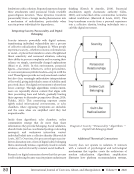
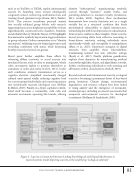
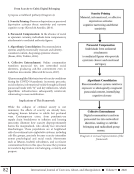
Staying informed and engaged with local grassroots
initiatives, pro-bono legal services, accessible social
support systems, transitional housing programs,
community fridges, clinics, and affirmative care
providers equips counselors to connect survivors with
essential resources. This engagement also helps prevent
therapists from accidentally making inappropriate
referrals, shelter placements, or treatment suggestions.
To integrate effectively into the community, counselors
can establish meaningful connections with these
resources, build rapport with local organizations,
maintain working relationships with culturally
competent case managers, and volunteer with
community services.
Establishing
Finally, counselors should actively work towards
establishing a discernably safe environment and a
functional therapeutic alliance. Creating a visibly
affirming, accessible, and collaborative therapeutic
space fosters trust, stability, and relational safety.
Survivors are more likely to engage when they
perceive the environment as safe and inclusive.
During the therapy hour, clinicians should exercise
conscientiousness of the optics of their practice. Pride
flags and other similar forms of affirmative symbolic
representation are subtle yet powerful ways to construct
an affirming environment (Marrow et al., 2024).
Similarly, they should consider accessible architecture,
such as gender-neutral bathrooms and interior design
that accounts for clients of varying degrees of physical
mobility.
Clinicians might also consider offering telehealth
options to accommodate clients who face different
types of physical or transportation barriers, or who may
not feel safe going to therapy in person. These different
types of silent broaching set the tone for clients as soon
as they begin their counseling journey and contribute
largely to fostering an identity-affirming, accessible,
and safe environment, as well as a growth-fostering
therapeutic alliance. Broaching, both verbally and non-
verbally, is an ongoing effort that lasts the duration of
a clinician’s practice. Hence, they must consistently
foster an open recognition of both the internal and
external characteristics of ourselves and our clients
(ACA, 2010).
Given the relationally wounding nature of IPV,
establishing an authentic therapeutic alliance is key
in working with survivors. T-IPV often engenders
social isolation, which can be compounded by the fact
that members of the TGD community may already
have limited support from their families of origin and
can often leave T-IPV survivors feeling relationally
unstable, isolated, or unsupported (Beyer et al., 2022
Goode, 2023). From a coercive control perspective, IPV
erodes trust and autonomy in relational connections
(Tolmie, Smith, &Wilson, 2024). Establishing a safe
therapeutic alliance, therefore, directly counters
the effects of coercive control. When working with
TGD survivors, clinicians must create spaces where
identity and authenticity will not be weaponized or
remain trapped because abusers restrict access to
community, healthcare, or financial independence.
For TGD individuals, connecting them to affirming,
accessible supports directly challenges mechanisms
of coercive control, reduces isolation, and enhances
social safety nets. This reinforces the idea that healing
is communal and that survivors are not alone, which
greatly contributes to building relational safety and
social embedment (Bowling et al., 2020 Rogers,
2016 Singh &Moss, 2016). Equipping clients with
appropriate resources not only empowers them to find
community and support services but can also supply
them with new language to navigate experiences of
violence and abuse. IPV frequently causes survivors
to feel socially excluded or isolated therefore, making
it necessary for mental health workers to emphasize
social embedment as much as possible with this
population and assist survivors in identifying and
strengthening community support systems (Beyer et
al., 2022 Bowling et al., 2020). Staying in touch with
community resources is an invaluable step for mental
health counselors to take. A variety of resources can
be found on websites of TGD advocacy organizations,
and often on city, state, and government websites.
The Gay &Lesbian Alliance Against Defamation
(GLAAD) provides a plethora of legal and educational
resources on its website for TGD survivors of violence
(glaad.org). For the purpose of safety planning and
making appropriate referrals, counselors may consider
utilizing PFLAG’s directory of affirmative healthcare
providers and other affirmative resources. Similar
online resources include lgbtqhealthcaredirectory.org,
rainbowhealth.org, translifeline.org, hrc.org, vawnet.
org, and transequality.org.
Staying informed and engaged with local grassroots
initiatives, pro-bono legal services, accessible social
support systems, transitional housing programs,
community fridges, clinics, and affirmative care
providers equips counselors to connect survivors with
essential resources. This engagement also helps prevent
therapists from accidentally making inappropriate
referrals, shelter placements, or treatment suggestions.
To integrate effectively into the community, counselors
can establish meaningful connections with these
resources, build rapport with local organizations,
maintain working relationships with culturally
competent case managers, and volunteer with
community services.
Establishing
Finally, counselors should actively work towards
establishing a discernably safe environment and a
functional therapeutic alliance. Creating a visibly
affirming, accessible, and collaborative therapeutic
space fosters trust, stability, and relational safety.
Survivors are more likely to engage when they
perceive the environment as safe and inclusive.
During the therapy hour, clinicians should exercise
conscientiousness of the optics of their practice. Pride
flags and other similar forms of affirmative symbolic
representation are subtle yet powerful ways to construct
an affirming environment (Marrow et al., 2024).
Similarly, they should consider accessible architecture,
such as gender-neutral bathrooms and interior design
that accounts for clients of varying degrees of physical
mobility.
Clinicians might also consider offering telehealth
options to accommodate clients who face different
types of physical or transportation barriers, or who may
not feel safe going to therapy in person. These different
types of silent broaching set the tone for clients as soon
as they begin their counseling journey and contribute
largely to fostering an identity-affirming, accessible,
and safe environment, as well as a growth-fostering
therapeutic alliance. Broaching, both verbally and non-
verbally, is an ongoing effort that lasts the duration of
a clinician’s practice. Hence, they must consistently
foster an open recognition of both the internal and
external characteristics of ourselves and our clients
(ACA, 2010).
Given the relationally wounding nature of IPV,
establishing an authentic therapeutic alliance is key
in working with survivors. T-IPV often engenders
social isolation, which can be compounded by the fact
that members of the TGD community may already
have limited support from their families of origin and
can often leave T-IPV survivors feeling relationally
unstable, isolated, or unsupported (Beyer et al., 2022
Goode, 2023). From a coercive control perspective, IPV
erodes trust and autonomy in relational connections
(Tolmie, Smith, &Wilson, 2024). Establishing a safe
therapeutic alliance, therefore, directly counters
the effects of coercive control. When working with
TGD survivors, clinicians must create spaces where
identity and authenticity will not be weaponized or