International Journal of Coercion, Abuse, and Manipulation Volume 9 2026 72
be taken with caution. Neither of us have interacted
with Jones personally the Goldwater rule suggests that
it is unethical to speculate about potential psychological
diagnoses based on only indirect evidence (Martin-Joy,
2017). In addition, views of Jones now are influenced by
both hindsight and confirmation bias (Gerken, 2024),
given the tragic ending of Jonestown and the Peoples
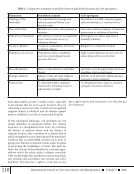
Temple. That said, the frequency, consistency, and
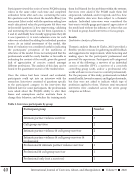
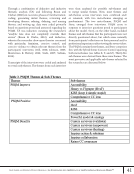
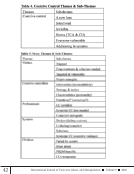
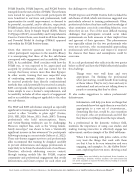
extremity of his behaviors do map onto the checklist,
and the Hare checklist may be a useful way to delineate
“red flags” when considering leaders of other coercive
and manipulative groups or cults.
Concluding that Jim Jones likely qualified as a
psychopath based on Hare’s popular framework is just
one way to understand his life and influence. Other
scholars suggest additional insights. For example, a
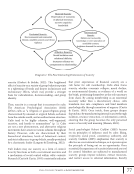
compelling and comprehensive view is offered by Lys
(2005), who analyzed Jones from a biopsychosocial
lens. Using a wide variety of insights from survivor
memoirs, historians, journalists, psychologists, and
other secondary sources, Lys argued that Jones’s
violence stemmed from a combination of mental
illness (specifically, paranoid delusions of persecution
and grandeur), drug and alcohol use (both legal and
illegal), and religious irrationality. She concludes, “In
an environment of total, unquestioning obedience from
Jones’s followers, these interrelated biopsychosocial
factors of Jones’s personality become some of the many
driving forces that led to the Jonestown tragedy on
November 18, 1978” (2005, p. 25). We suggest that Jim
Jones’s psychopathy adds further understanding to the
complicated nature of his unhealthy mind.
be taken with caution. Neither of us have interacted
with Jones personally the Goldwater rule suggests that
it is unethical to speculate about potential psychological
diagnoses based on only indirect evidence (Martin-Joy,
2017). In addition, views of Jones now are influenced by
both hindsight and confirmation bias (Gerken, 2024),
given the tragic ending of Jonestown and the Peoples
Temple. That said, the frequency, consistency, and
extremity of his behaviors do map onto the checklist,
and the Hare checklist may be a useful way to delineate
“red flags” when considering leaders of other coercive
and manipulative groups or cults.
Concluding that Jim Jones likely qualified as a
psychopath based on Hare’s popular framework is just
one way to understand his life and influence. Other
scholars suggest additional insights. For example, a
compelling and comprehensive view is offered by Lys
(2005), who analyzed Jones from a biopsychosocial
lens. Using a wide variety of insights from survivor
memoirs, historians, journalists, psychologists, and
other secondary sources, Lys argued that Jones’s
violence stemmed from a combination of mental
illness (specifically, paranoid delusions of persecution
and grandeur), drug and alcohol use (both legal and
illegal), and religious irrationality. She concludes, “In
an environment of total, unquestioning obedience from
Jones’s followers, these interrelated biopsychosocial
factors of Jones’s personality become some of the many
driving forces that led to the Jonestown tragedy on
November 18, 1978” (2005, p. 25). We suggest that Jim
Jones’s psychopathy adds further understanding to the
complicated nature of his unhealthy mind.