11
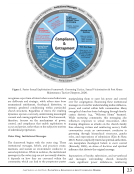
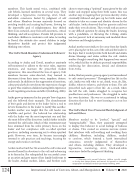
Ruby Cramer and Sarah Stillwell |SINCERE: A Relational Safety Model for Counselors
scrutinized, thereby restoring a sense of interpersonal
liberty, mutuality, and relational safety. For this reason,
clinicians must establish themselves as a consistent,
unwavering presence of non-judgmental support and a
source of unconditional positive regard. Clinicians are
also advised to consider ways to incorporate community
building, community resilience, and support systems
into safety planning and treatment planning (Scheer
&Poteat, 2021 Bowling et al.,2020 Valentine et al.,
2017).
Recent studies have highlighted key elements of vocal
and nonvocal communication that promote authentic,
affirmative conversations with members of the TGD
community in clinical settings (Coleman et al., 2022
Dolan &Conroy, 2021 Leitch, 2022 von der Warth,
2023). TGD research participants reported that they felt
most validated by providers who implemented active
listening, collaborative treatment methods, presence,
taking time, friendly voice, open body language, use of
gender-neutral language, and use of gender affirming
language. Research has also found that communication
with providers is perceived well by clients if clinicians
espouse values of acceptance and open-mindedness
and display a non-judgmental attitude towards the
complexity of an individual’s situation (Scheer &
Poteat, 2021). Additionally, clinicians working with
this community, as well as any other population,
should exercise a critical awareness and insight into the
ways in which stigmatization, bias, internalized bias,
and any potential power dynamics may manifest in the
therapeutic alliance (ACA, 2010 Ratts et al., 2018).
This is not only critical in maintaining rapport and
preventing harmful social narratives from being reified
within the therapeutic space but is also in itself a form
of advocacy and self-advocacy.
Case Study: Putting SINCERE Into Action
Jordan (they/them) is a black 29-year-old pansexual
freelance graphic designer, who was assigned female
at birth but identifies as nonbinary. Jordan presented
to counseling for anxiety, hypervigilance, difficulty
sleeping, loss of creative motivation, and recent panic
attacks. Jordan recently ended a two-year relationship
with a cisgender man. They report escalating
emotional and psychological abuse, including frequent
misgendering, threats of outing them to family and
clients, and controlling behaviors around their gender
expression and work. Jordan also discloses that their
partner withheld access to their hormone therapy
prescriptions and used their financial dependence as
leverage for sexual coercion.
Jordan has not reported the abuse to law enforcement
due to past negative experiences with police and fears
of being misgendered or disbelieved. They were denied
access to a local domestic violence shelter due to their
nonbinary identity and are currently couch-surfing
with friends. Jordan expressed deep shame, confusion
about whether their experiences “count” as abuse, and
fear of being retraumatized by systems meant to help.
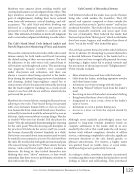
Clinical Application of the SINCERE Model
Signs
The clinician identifies several indicators of T-IPV
in Jordan’s situation, including emotional and
psychological abuse, such as gaslighting, misgendering,
sexual coercion linked to restricted access to gender-
affirming care, financial control resulting in housing
instability, and symptoms like hypervigilance,
disrupted sleep, and self-doubt. Additionally, the
clinician recognizes systemic risk factors that further
impact Jordan’s circumstances, such as their intersecting
identities as a Black, nonbinary person assigned
female at birth, experiences of housing insecurity,
and a history of institutional betrayal. The counselor
taking note of these signs is not only diagnostic but
also a way to validate Jordan’s lived experience, which
builds safety. By naming these signs without judgment,
the clinician communicates attunement and fosters
relational safety, assuring Jordan that their experiences
are real, witnessed, and worthy of care.
Information
The clinician actively seeks to educate themselves
on local and federal protections for transgender
and gender diverse (TGD) survivors, familiarizes
themselves with the WPATH Standards of Care and
SAIGE competencies, and stays informed about local
affirming shelters, legal aid resources, and current
research on T-IPV and coercive control. In addition
to their self-education, the clinician provides Jordan
with psychoeducation regarding T-IPV, validating
Jordan’s experiences and explicitly recognizing
identity abuse as a legitimate form of intimate partner
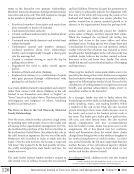
Ruby Cramer and Sarah Stillwell |SINCERE: A Relational Safety Model for Counselors
scrutinized, thereby restoring a sense of interpersonal
liberty, mutuality, and relational safety. For this reason,
clinicians must establish themselves as a consistent,
unwavering presence of non-judgmental support and a
source of unconditional positive regard. Clinicians are
also advised to consider ways to incorporate community
building, community resilience, and support systems
into safety planning and treatment planning (Scheer
&Poteat, 2021 Bowling et al.,2020 Valentine et al.,
2017).
Recent studies have highlighted key elements of vocal
and nonvocal communication that promote authentic,
affirmative conversations with members of the TGD
community in clinical settings (Coleman et al., 2022
Dolan &Conroy, 2021 Leitch, 2022 von der Warth,
2023). TGD research participants reported that they felt
most validated by providers who implemented active
listening, collaborative treatment methods, presence,
taking time, friendly voice, open body language, use of
gender-neutral language, and use of gender affirming
language. Research has also found that communication
with providers is perceived well by clients if clinicians
espouse values of acceptance and open-mindedness
and display a non-judgmental attitude towards the
complexity of an individual’s situation (Scheer &
Poteat, 2021). Additionally, clinicians working with
this community, as well as any other population,
should exercise a critical awareness and insight into the
ways in which stigmatization, bias, internalized bias,
and any potential power dynamics may manifest in the
therapeutic alliance (ACA, 2010 Ratts et al., 2018).
This is not only critical in maintaining rapport and
preventing harmful social narratives from being reified
within the therapeutic space but is also in itself a form
of advocacy and self-advocacy.
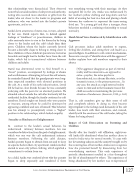
Case Study: Putting SINCERE Into Action
Jordan (they/them) is a black 29-year-old pansexual
freelance graphic designer, who was assigned female
at birth but identifies as nonbinary. Jordan presented
to counseling for anxiety, hypervigilance, difficulty
sleeping, loss of creative motivation, and recent panic
attacks. Jordan recently ended a two-year relationship
with a cisgender man. They report escalating
emotional and psychological abuse, including frequent
misgendering, threats of outing them to family and
clients, and controlling behaviors around their gender
expression and work. Jordan also discloses that their
partner withheld access to their hormone therapy
prescriptions and used their financial dependence as
leverage for sexual coercion.
Jordan has not reported the abuse to law enforcement
due to past negative experiences with police and fears
of being misgendered or disbelieved. They were denied
access to a local domestic violence shelter due to their
nonbinary identity and are currently couch-surfing
with friends. Jordan expressed deep shame, confusion
about whether their experiences “count” as abuse, and
fear of being retraumatized by systems meant to help.
Clinical Application of the SINCERE Model
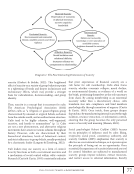
Signs
The clinician identifies several indicators of T-IPV
in Jordan’s situation, including emotional and
psychological abuse, such as gaslighting, misgendering,
sexual coercion linked to restricted access to gender-
affirming care, financial control resulting in housing
instability, and symptoms like hypervigilance,
disrupted sleep, and self-doubt. Additionally, the
clinician recognizes systemic risk factors that further
impact Jordan’s circumstances, such as their intersecting
identities as a Black, nonbinary person assigned
female at birth, experiences of housing insecurity,
and a history of institutional betrayal. The counselor
taking note of these signs is not only diagnostic but
also a way to validate Jordan’s lived experience, which
builds safety. By naming these signs without judgment,
the clinician communicates attunement and fosters
relational safety, assuring Jordan that their experiences
are real, witnessed, and worthy of care.
Information
The clinician actively seeks to educate themselves
on local and federal protections for transgender
and gender diverse (TGD) survivors, familiarizes
themselves with the WPATH Standards of Care and
SAIGE competencies, and stays informed about local
affirming shelters, legal aid resources, and current
research on T-IPV and coercive control. In addition
to their self-education, the clinician provides Jordan
with psychoeducation regarding T-IPV, validating
Jordan’s experiences and explicitly recognizing
identity abuse as a legitimate form of intimate partner