International Journal of Coercion, Abuse, and Manipulation Volume 9 2026 64
facing trauma due to false diagnoses and unethical
psychological treatment. These groups actively abuse
psychology as it is being misused to lure individuals
who are searching for meaning in their life.
The best evidence for influence of past religious beliefs
is reflected in the findings around those who matched
religions and the dynamics of their membership.
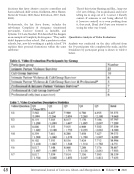
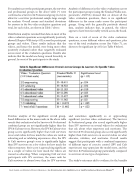
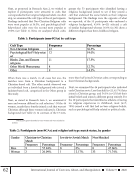
Specifically, individuals who matched (Christian-to-
Christian) joined younger than those who explored
a different group. In addition, those who matched
tended to stay longer when compared with those who
did not match. These findings support the explanation
that familiarity plays a role in cult affiliation. Such
familiarity may be used to seduce members sooner
and once committed, pressure members through
community and shared beliefs to remain in the cult
despite experiencing harm. Indeed, research on
shared identity suggests that group members may
have a shared cognition and are inclined to adjust
their behavior in order to meet group expectations
(Greenaway et al., 2014). In addition, shared identity
may influence individuals “to be more receptive” and
to process in-group communications “more fully and
in greater depth” (Greenaway et al., 2014, 172).
While we wished to explore potential gender differences,
in our full sample about 70% were women, about a
quarter were men, and about seven identified as non-
binary individuals, precluding formal analysis. The
non-SGA sample had a higher proportion of men 43
women (56%) and 17 (55%) men but the numbers were
too low for analyses. Instead, we share observations
about interesting patterns. First, women were far more
likely to explore than men, as more than half the men
that came from Christianity joined a Christian group
whereas only about 25% of women did. This may stem
from organized religions such as Christianity having
patriarchal roots that are not attractive to women.
In contrast, newer cultic groups may be promising a
more gender equal experience. For example, many
female participants were casually introduced to the
group with promises of making supportive friends,
joining an instant community, and finding purpose,
but ultimately these same groups became exploitative
and entrapping.
Possibly men simply did not want to participate in
this study, thus skewing the sample. Second, these
numbers might reflect cult structure... cult leaders are
primarily men, but membership is overwhelmingly
women (Thackray, 2014). While speculative, perhaps
cults are another form of gender-based violence, where
male authority exploits and abuses women. If so,
more attention should be paid to the power dynamics
and how gender is exploited via cult membership.
Reframing cults as gender-based violence will allow
better prevention but also better intervention.
Coercive control, which is used to entrap members
into high control groups, is largely predicated on
using patriarchal power structures that manifest in
highly gendered everyday controlling tactics (Stark,
2007). For example, cult members commonly report
microregulation of domestic life from dressing to
chores that emphasize traditional gender roles and the
control of expressions of sexuality. Indeed, it is rare to
find a cult that does not attempt to control sexuality
directly via the restriction of women’s sexual autonomy.
Framing cultic practices as gender-based violence helps
us understand that these practices are not innocent
but ways to continually control women via sometimes
controlling the family. Research that deconstructs the
coercive control reported in cults may help us progress
to a better understanding of these perhaps overlooked
gender-based dynamics.
Finally, although almost all our sample identified
a formal organized religion before cult affiliation,
unsurprisingly, most participants changed their
identification following cult exit. That is, most
participants did not identify as being religious or
affiliated with organized religion. However, rather
unexpectedly, most participants (69%) identified as
being spiritual—including SGAs. These changing
labels may reflect that cult survivors may have lost
their appetite for organized religion but may remain
connected to the idea of a life beyond Earth through
spirituality.
This is one of the first studies to explicitly examine how
religion may be linked to cult membership susceptibility.
Nonetheless several limitations should be noted.
Participants were self-selected, therefore likely do not
represent the bigger pool of cult survivors. Specifically,
our sample may reflect only those who were able to
discuss their experiences or felt safe enough to do so.
Likely our sample did not represent survivors who
experienced severe trauma or simply did not want to
facing trauma due to false diagnoses and unethical
psychological treatment. These groups actively abuse
psychology as it is being misused to lure individuals
who are searching for meaning in their life.
The best evidence for influence of past religious beliefs
is reflected in the findings around those who matched
religions and the dynamics of their membership.
Specifically, individuals who matched (Christian-to-
Christian) joined younger than those who explored
a different group. In addition, those who matched
tended to stay longer when compared with those who
did not match. These findings support the explanation
that familiarity plays a role in cult affiliation. Such
familiarity may be used to seduce members sooner
and once committed, pressure members through
community and shared beliefs to remain in the cult
despite experiencing harm. Indeed, research on
shared identity suggests that group members may
have a shared cognition and are inclined to adjust
their behavior in order to meet group expectations
(Greenaway et al., 2014). In addition, shared identity
may influence individuals “to be more receptive” and
to process in-group communications “more fully and
in greater depth” (Greenaway et al., 2014, 172).
While we wished to explore potential gender differences,
in our full sample about 70% were women, about a
quarter were men, and about seven identified as non-
binary individuals, precluding formal analysis. The
non-SGA sample had a higher proportion of men 43
women (56%) and 17 (55%) men but the numbers were
too low for analyses. Instead, we share observations
about interesting patterns. First, women were far more
likely to explore than men, as more than half the men
that came from Christianity joined a Christian group
whereas only about 25% of women did. This may stem
from organized religions such as Christianity having
patriarchal roots that are not attractive to women.
In contrast, newer cultic groups may be promising a
more gender equal experience. For example, many
female participants were casually introduced to the
group with promises of making supportive friends,
joining an instant community, and finding purpose,
but ultimately these same groups became exploitative
and entrapping.
Possibly men simply did not want to participate in
this study, thus skewing the sample. Second, these
numbers might reflect cult structure... cult leaders are
primarily men, but membership is overwhelmingly
women (Thackray, 2014). While speculative, perhaps
cults are another form of gender-based violence, where
male authority exploits and abuses women. If so,
more attention should be paid to the power dynamics
and how gender is exploited via cult membership.
Reframing cults as gender-based violence will allow
better prevention but also better intervention.
Coercive control, which is used to entrap members
into high control groups, is largely predicated on
using patriarchal power structures that manifest in
highly gendered everyday controlling tactics (Stark,
2007). For example, cult members commonly report
microregulation of domestic life from dressing to
chores that emphasize traditional gender roles and the
control of expressions of sexuality. Indeed, it is rare to
find a cult that does not attempt to control sexuality
directly via the restriction of women’s sexual autonomy.
Framing cultic practices as gender-based violence helps
us understand that these practices are not innocent
but ways to continually control women via sometimes
controlling the family. Research that deconstructs the
coercive control reported in cults may help us progress
to a better understanding of these perhaps overlooked
gender-based dynamics.
Finally, although almost all our sample identified
a formal organized religion before cult affiliation,
unsurprisingly, most participants changed their
identification following cult exit. That is, most
participants did not identify as being religious or
affiliated with organized religion. However, rather
unexpectedly, most participants (69%) identified as
being spiritual—including SGAs. These changing
labels may reflect that cult survivors may have lost
their appetite for organized religion but may remain
connected to the idea of a life beyond Earth through
spirituality.
This is one of the first studies to explicitly examine how
religion may be linked to cult membership susceptibility.
Nonetheless several limitations should be noted.
Participants were self-selected, therefore likely do not
represent the bigger pool of cult survivors. Specifically,
our sample may reflect only those who were able to
discuss their experiences or felt safe enough to do so.
Likely our sample did not represent survivors who
experienced severe trauma or simply did not want to