123
Lorna Goldberg |Intergenerational Transmission of Cult Trauma
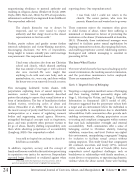
they followed a long path through the woods to the
dining area. They walked alongside each other but did
not converse. Similarly, silent areas in the communal
dining room further limited the interaction among
some followers, reinforcing dissociative states.
Seeking enlightenment through these practices
reinforced Anika’s dissociative state, which became
her usual demeanor. Members were on guard to act
and appear in a cult-approved manner, so anxiety was
ubiquitous. There was little room to relax due to the
pressure to appear as if one were acting in an approved
manner and the constant need to be “productive.”
Anika became part of the cult’s center of a core group
of highly committed members if anyone in this group
was not productive, they were castigated. They had
little free time to play, explore, contemplate, or recoup.
In addition, the daily schedule precluded adequate
time to sleep. As a result, Anika and the other core
members were often in a state of physical and emotional
exhaustion or sleep deprivation.5
1
Primary Teachings of Cult-Induced Dissociation
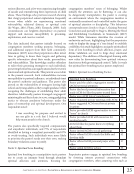
The cult’s teachings were transmitted through books,
periodicals, lectures by the leader or senior teachers,
and signs posted throughout the cult’s worldwide
facilities. Anika committed fully to following these
teachings:
• Become free from all attachments. Anika was taught
to cultivate dispassion. She strove to detach herself
emotionally from all the things she was attached
to, including her children, husband, possessions,
agency, desires, worldly goals, etc.
• Rise above pain, pleasure, joy, and sorrow. The
world is an illusion, and cult followers must rise
above the human condition. Reality was seen as the
“ocean of worldliness.” Anika believed that if she
could transcend her experience of the world, she
would attain enlightenment.
• Still your thoughts. This taught Anika to dissociate
from thoughts and feelings.
• Overcome desire, pride, envy, greed, and anger. Anika
learned to dissociate from these “negative” emotions
to comply with the cult’s teachings.
5 According to West (1990), lack of sleep is a pivotal element in cult
manipulation, further undermining the thinking process and increasing
members’ willingness to follow the leaders’ directives.
• Embrace Tapasya, or the burning of the ego. Ego-
based feelings such as shame, embarrassment,
jealousy, anger, sadness, yearning, loneliness,
disappointment, depression, pride,
accomplishment, success, etc., should be “burned”
or destroyed through chanting, meditation, and
selfless service. Anika understood that her human
emotions were unworthy. She castigated herself
for feeling such things and dissociated from them.
Dissociation led her to feel shame and destroyed
her sense of true self-esteem and self-worth.
• Eradicate the ego. Dissolve all sense of limited self-
experience into communion with the cult leader
or God—both were considered divine since the
leader was one with God. Anika learned to separate
herself from her experiences and feelings, seeking
to merge her individuality with “the divine.”
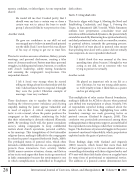
Incorporation of the Cult’s Harsh Moral Voice
To attain enlightenment, Anika believed she needed
to incorporate the leader’s harsh moral code, which
was enforced on everyone except the highly punitive
leaders. The cult maintained a strict moral voice that
dictated every aspect of members’ lives. The leader
enforced this moral voice through his teachings and
authoritative demands. Within the cult, individuals
were judged as good or bad based on their adherence to
the leader’s rules. There was no room for ambivalence,
complex feelings, or personal divergence. Anika and
other members were admonished to follow strict
commands:
• Shower daily.
• Adhere to a strict dress code.
• Work hard and always be productive.
• Speak the truth.
• Refrain from stealing or harming.
• Abstain from sex.
• Offer all you are and all you have to the leader.
• Overcome anger, jealousy, covetousness, and so on.
• Follow the leader’s dictates without question.
• Follow the prescribed teachings.
• Work towards enlightenment.
When they inevitably failed to attain the cult ideal,
Anika and David experienced a cycle of harsh self-
judgment followed by the shame of failure and
unworthiness, a pattern likely mirrored in other cult
Lorna Goldberg |Intergenerational Transmission of Cult Trauma
they followed a long path through the woods to the
dining area. They walked alongside each other but did
not converse. Similarly, silent areas in the communal
dining room further limited the interaction among
some followers, reinforcing dissociative states.
Seeking enlightenment through these practices
reinforced Anika’s dissociative state, which became
her usual demeanor. Members were on guard to act
and appear in a cult-approved manner, so anxiety was
ubiquitous. There was little room to relax due to the
pressure to appear as if one were acting in an approved
manner and the constant need to be “productive.”
Anika became part of the cult’s center of a core group
of highly committed members if anyone in this group
was not productive, they were castigated. They had
little free time to play, explore, contemplate, or recoup.
In addition, the daily schedule precluded adequate
time to sleep. As a result, Anika and the other core
members were often in a state of physical and emotional
exhaustion or sleep deprivation.5
1
Primary Teachings of Cult-Induced Dissociation
The cult’s teachings were transmitted through books,
periodicals, lectures by the leader or senior teachers,
and signs posted throughout the cult’s worldwide
facilities. Anika committed fully to following these
teachings:
• Become free from all attachments. Anika was taught
to cultivate dispassion. She strove to detach herself
emotionally from all the things she was attached
to, including her children, husband, possessions,
agency, desires, worldly goals, etc.
• Rise above pain, pleasure, joy, and sorrow. The
world is an illusion, and cult followers must rise
above the human condition. Reality was seen as the
“ocean of worldliness.” Anika believed that if she
could transcend her experience of the world, she
would attain enlightenment.
• Still your thoughts. This taught Anika to dissociate
from thoughts and feelings.
• Overcome desire, pride, envy, greed, and anger. Anika
learned to dissociate from these “negative” emotions
to comply with the cult’s teachings.
5 According to West (1990), lack of sleep is a pivotal element in cult
manipulation, further undermining the thinking process and increasing
members’ willingness to follow the leaders’ directives.
• Embrace Tapasya, or the burning of the ego. Ego-
based feelings such as shame, embarrassment,
jealousy, anger, sadness, yearning, loneliness,
disappointment, depression, pride,
accomplishment, success, etc., should be “burned”
or destroyed through chanting, meditation, and
selfless service. Anika understood that her human
emotions were unworthy. She castigated herself
for feeling such things and dissociated from them.
Dissociation led her to feel shame and destroyed
her sense of true self-esteem and self-worth.
• Eradicate the ego. Dissolve all sense of limited self-
experience into communion with the cult leader
or God—both were considered divine since the
leader was one with God. Anika learned to separate
herself from her experiences and feelings, seeking
to merge her individuality with “the divine.”
Incorporation of the Cult’s Harsh Moral Voice
To attain enlightenment, Anika believed she needed
to incorporate the leader’s harsh moral code, which
was enforced on everyone except the highly punitive
leaders. The cult maintained a strict moral voice that
dictated every aspect of members’ lives. The leader
enforced this moral voice through his teachings and
authoritative demands. Within the cult, individuals
were judged as good or bad based on their adherence to
the leader’s rules. There was no room for ambivalence,
complex feelings, or personal divergence. Anika and
other members were admonished to follow strict
commands:
• Shower daily.
• Adhere to a strict dress code.
• Work hard and always be productive.
• Speak the truth.
• Refrain from stealing or harming.
• Abstain from sex.
• Offer all you are and all you have to the leader.
• Overcome anger, jealousy, covetousness, and so on.
• Follow the leader’s dictates without question.
• Follow the prescribed teachings.
• Work towards enlightenment.
When they inevitably failed to attain the cult ideal,
Anika and David experienced a cycle of harsh self-
judgment followed by the shame of failure and
unworthiness, a pattern likely mirrored in other cult