International Journal of Coercion, Abuse, and Manipulation Volume 9 2026 110
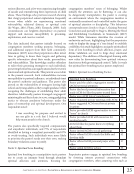
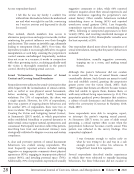
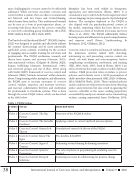
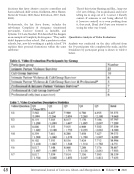
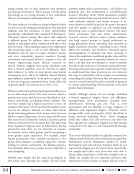
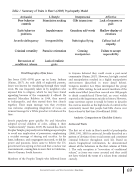
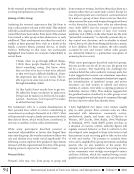
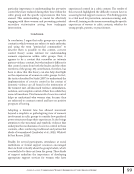
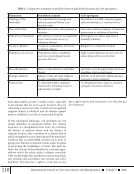
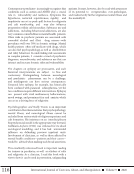
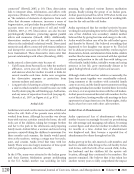
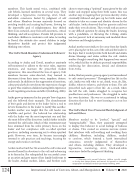
Table 1. Comparative summary of parallels between paleolibertarianism and cult apologetics:
Dimension Paleolibertarianism Cult Apologism
Ontology of the
Individual
The individual is sovereign and
rational personal liberty is an
absolute value
The follower is a fully conscious agent
cult membership is a “rational choice”
View of the State Minimal or no state all regulation is
intrusive
State intervention in religion is framed as
persecution or violation of freedom
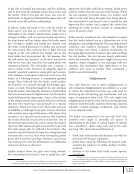
Radical Contractualism All voluntary contracts are legitimate,
even controversial ones (e.g.,
voluntary slavery)
Participation in cults is legitimate if
formally voluntary
Society as Market Society is a marketplace of choices,
including religion
Religion is a competitive market
Definition of Coercion Only physical force constitutes
coercion psychological/social
pressure does not
High-control dynamics are not coercive
unless physical force is involved
Moral Evaluation Ethics is subordinate to individual
liberty
Spiritual or psychological abuse does not
invalidate religious legitimacy
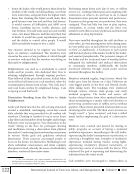
Strategic Alliances Alliances with anti-state religious
groups, regardless of theology
Defense of all minority religious groups
opposed to state regulation
Political Aim To dismantle public regulatory
frameworks, including moral or
educational oversight
To delegitimize state, legal, or academic
critiques of sectarian structure
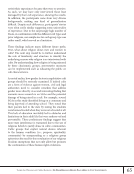
most importantly, provide a useful service, especially
to movements that are not so good. In short, they are
cultivating a new moral order in which the unregulated
religious market is idealized and the defense against
abuse is redefined as an attack on personal freedom.
In this ideological landscape, cult apologists are not
simply defenders of unpopular beliefs, but cultural
engineers of a deregulated moral order. By confusing
the defense of spiritual abuse with the defense of
religious freedom, they contribute to a cultural shift in
which deregulation is not only tolerated but moralized.
It follows that so-called NRM scholars are in favor of
giving carte blanche to spiritual tyrants under the guise
of protecting the marketplace of ideas. The basis for
this is the concept of the individual as a rational agent,
without which the whole edifice collapses miserably.
Only on this shaky, false foundation can you turn abuse
into freedom and surveillance into tyranny and call it
pluralism. Everyone has a right to a cult, but no one
has a right to protection. In practice, it is a free fox in a
free henhouse.
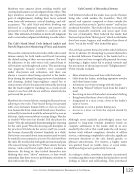
Table 1. Comparative summary of parallels between paleolibertarianism and cult apologetics:
Dimension Paleolibertarianism Cult Apologism
Ontology of the
Individual
The individual is sovereign and
rational personal liberty is an
absolute value
The follower is a fully conscious agent
cult membership is a “rational choice”
View of the State Minimal or no state all regulation is
intrusive
State intervention in religion is framed as
persecution or violation of freedom
Radical Contractualism All voluntary contracts are legitimate,
even controversial ones (e.g.,
voluntary slavery)
Participation in cults is legitimate if
formally voluntary
Society as Market Society is a marketplace of choices,
including religion
Religion is a competitive market
Definition of Coercion Only physical force constitutes
coercion psychological/social
pressure does not
High-control dynamics are not coercive
unless physical force is involved
Moral Evaluation Ethics is subordinate to individual
liberty
Spiritual or psychological abuse does not
invalidate religious legitimacy
Strategic Alliances Alliances with anti-state religious
groups, regardless of theology
Defense of all minority religious groups
opposed to state regulation
Political Aim To dismantle public regulatory
frameworks, including moral or
educational oversight
To delegitimize state, legal, or academic
critiques of sectarian structure
most importantly, provide a useful service, especially
to movements that are not so good. In short, they are
cultivating a new moral order in which the unregulated
religious market is idealized and the defense against
abuse is redefined as an attack on personal freedom.
In this ideological landscape, cult apologists are not
simply defenders of unpopular beliefs, but cultural
engineers of a deregulated moral order. By confusing
the defense of spiritual abuse with the defense of
religious freedom, they contribute to a cultural shift in
which deregulation is not only tolerated but moralized.
It follows that so-called NRM scholars are in favor of
giving carte blanche to spiritual tyrants under the guise
of protecting the marketplace of ideas. The basis for
this is the concept of the individual as a rational agent,
without which the whole edifice collapses miserably.
Only on this shaky, false foundation can you turn abuse
into freedom and surveillance into tyranny and call it
pluralism. Everyone has a right to a cult, but no one
has a right to protection. In practice, it is a free fox in a
free henhouse.