International Journal of Coercion, Abuse, and Manipulation Volume 9 2026 24
unquestioning obedience to pastoral authority and
resulting in religious duress (Benkert &Doyle, 2009
Doyle, 2003 Hunt et al., 2024). For 69% of respondents,
submission to authority was ingrained from childhood.
One respondent reflected:
The church hierarchy was to always be
respected, and we were raised to respect
authority and that clergy stood as the closest
representation to God on earth.2
1
Further, purity culture and gender norms further
entrench submission and victim-blaming narratives,
discouraging disclosure. For 81% of respondents,
being taught to remain sexually pure until marriage
was paramount. One respondent shared:
I had some education also from my Christian
school and church, which shamed anything
that was outside of marriage or with someone
else once married…We were taught that
anything to do with one’s own body, such as
masturbation, etc., was a sin, and doors within
the house were even removed for such a reason.
This messaging facilitated victim shame, with
perpetrators exploiting fears of sexual impurity to
maintain control. Several respondents described
pastors threatening to expose their sexual history as a
form of intimidation. The fear of humiliation further
isolated victims, reinforcing cycles of abuse and
silence (Strauchler et al., 2004). The issue lies not in
the moral concept of purity itself but in its patriarchal
reinterpretation as a means of regulating women’s
bodies and suppressing sexual agency. Moreover,
misapplied theological concepts such as forgiveness,
grace, and toxic positivity often pressure victims to
let go of abuse, thereby shifting responsibility onto
them while absolving perpetrators of accountability
(Langberg, 2020). One respondent recalled:
I was told to forgive him and stay in church to
hold him accountable.
In addition, nepotism, secrecy, and the concept of
family and honour resulted in the institution prioritising
its reputation over justice for survivors. Respondents
reported being dismissed or retaliated against when
2 The study centres the experiences of victim-survivors, with all
quotations presented in block format to highlight their perspectives.
reporting abuse. One respondent noted:
I was fired, told I could not return to the
church. The senior pastors, who were his
parents, blamed me and wanted me to go away.
These responses mirror the treatment often given
to child victims of abuse, where their suffering is
minimised or dismissed in favour of protecting the
institution or the abuser (Commonwealth of Australia,
2015). Ultimately, these institutional messages were
exploited to facilitate pastor sexual exploitation by
shaping community reactions, discouraging disclosure,
and enabling perpetrator control. Addressing systemic
theological and cultural messaging is essential in
preventing ACSA.
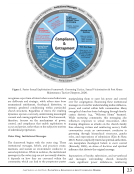
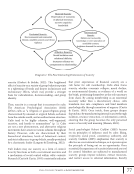
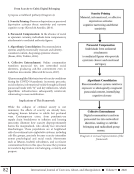
The Inner Wheel Tactics
The inner wheel shows the four tactics leading up to the
sexual victimisation, the resulting sexual victimisation,
and the post-abuse maintenance tactics employed.
These are summarised below.
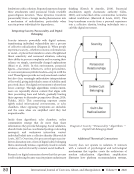
Tactic 1: Targeted Sense of Belonging
Targeting a congregation member’s sense of belonging
and their trusting, faithful personality aligns with
Stage 1, Selecting the Victim, and Stage 2, Gathering
Information in Sinnamon’s (2017) model of ASG.
Sinnamon suggested that the perpetrator selects both
a target and an environment where the individual is
more susceptible to manipulation due to identifiable
vulnerabilities. Faith communities often provide such
enabling environments, offering perpetrators access
to trusting and compliant congregants within systems
that may lack independent oversight and external
accountability. Faith communities offer a sense of
belonging central to Christian identity, fostering
validation, connection, and trust. Pastors can exploit
this environment, manipulating congregants’ longing
for inclusion to facilitate sexual contact without
raising suspicion. This study found that congregants
felt confused, uncertain, and lonely (47%), unloved
(43%), isolated, and in need of friends (40%). Some
respondents noted significant challenges, such as
breakdowns in relationships with family members, a
recent divorce or separation, or experiencing domestic
violence when the abuse started. Some were battling
unquestioning obedience to pastoral authority and
resulting in religious duress (Benkert &Doyle, 2009
Doyle, 2003 Hunt et al., 2024). For 69% of respondents,
submission to authority was ingrained from childhood.
One respondent reflected:
The church hierarchy was to always be
respected, and we were raised to respect
authority and that clergy stood as the closest
representation to God on earth.2
1
Further, purity culture and gender norms further
entrench submission and victim-blaming narratives,
discouraging disclosure. For 81% of respondents,
being taught to remain sexually pure until marriage
was paramount. One respondent shared:
I had some education also from my Christian
school and church, which shamed anything
that was outside of marriage or with someone
else once married…We were taught that
anything to do with one’s own body, such as
masturbation, etc., was a sin, and doors within
the house were even removed for such a reason.
This messaging facilitated victim shame, with
perpetrators exploiting fears of sexual impurity to
maintain control. Several respondents described
pastors threatening to expose their sexual history as a
form of intimidation. The fear of humiliation further
isolated victims, reinforcing cycles of abuse and
silence (Strauchler et al., 2004). The issue lies not in
the moral concept of purity itself but in its patriarchal
reinterpretation as a means of regulating women’s
bodies and suppressing sexual agency. Moreover,
misapplied theological concepts such as forgiveness,
grace, and toxic positivity often pressure victims to
let go of abuse, thereby shifting responsibility onto
them while absolving perpetrators of accountability
(Langberg, 2020). One respondent recalled:
I was told to forgive him and stay in church to
hold him accountable.
In addition, nepotism, secrecy, and the concept of
family and honour resulted in the institution prioritising
its reputation over justice for survivors. Respondents
reported being dismissed or retaliated against when
2 The study centres the experiences of victim-survivors, with all
quotations presented in block format to highlight their perspectives.
reporting abuse. One respondent noted:
I was fired, told I could not return to the
church. The senior pastors, who were his
parents, blamed me and wanted me to go away.
These responses mirror the treatment often given
to child victims of abuse, where their suffering is
minimised or dismissed in favour of protecting the
institution or the abuser (Commonwealth of Australia,
2015). Ultimately, these institutional messages were
exploited to facilitate pastor sexual exploitation by
shaping community reactions, discouraging disclosure,
and enabling perpetrator control. Addressing systemic
theological and cultural messaging is essential in
preventing ACSA.
The Inner Wheel Tactics
The inner wheel shows the four tactics leading up to the
sexual victimisation, the resulting sexual victimisation,
and the post-abuse maintenance tactics employed.
These are summarised below.
Tactic 1: Targeted Sense of Belonging
Targeting a congregation member’s sense of belonging
and their trusting, faithful personality aligns with
Stage 1, Selecting the Victim, and Stage 2, Gathering
Information in Sinnamon’s (2017) model of ASG.
Sinnamon suggested that the perpetrator selects both
a target and an environment where the individual is
more susceptible to manipulation due to identifiable
vulnerabilities. Faith communities often provide such
enabling environments, offering perpetrators access
to trusting and compliant congregants within systems
that may lack independent oversight and external
accountability. Faith communities offer a sense of
belonging central to Christian identity, fostering
validation, connection, and trust. Pastors can exploit
this environment, manipulating congregants’ longing
for inclusion to facilitate sexual contact without
raising suspicion. This study found that congregants
felt confused, uncertain, and lonely (47%), unloved
(43%), isolated, and in need of friends (40%). Some
respondents noted significant challenges, such as
breakdowns in relationships with family members, a
recent divorce or separation, or experiencing domestic
violence when the abuse started. Some were battling