International Journal of Coercion, Abuse, and Manipulation Volume 9 2026 20
2016 Chaves &Garland, 2009 Flynn, 2003 Garland &
Argueta, 2010 Kennedy, 2009 Pooler &Barros-Lane,
2022). Survivors have recounted how clergy publicly
lavished attention on them, normalising friendships
to mask warning signs, including public displays
of affection, which escalated to private requests for
intimacy (Garland &Argueta, 2010). Furthermore,
pastors frequently employed spiritual language to
reinforce the “divine” nature of their connection, often
exploiting shared passions or ministry work to create
opportunities for private interactions (Flynn, 2008
Garland, 2006).
Flynn (2003) found that clergy manipulated congregants
into believing sexual acts were neither sinful nor
abusive but rather a “good thing” (Flynn, 2003, p. 155).
This manipulation created cognitive dissonance for
victims, who felt torn between trusting their instincts
and accepting the words of a man representing divine
authority. Flynn framed clergy sexual misconduct as a
continuum of grooming, sexual harassment, and abuse,
rather than as a consensual relationship. Expanding
on Flynn’s findings, Kennedy (2009) identified
specific grooming tactics used by pastors, including
(1) romantic deception (presenting the relationship
as a courtship) (2) therapeutic deception (asserting
that sexual intimacy would offer healing or emotional
support) (3) spiritual deception (leveraging religious
authority to justify sexual activity as “God’s will”) and
the (4) demonisation of women (persuading victims
to believe they harboured a “spirit of enticement” that
needed healing from past abuse or spiritual possession).
These tactics caused survivors to question their own
perceptions, leading them to believe the activity was
divinely inspired or that they were at fault for seeking
spiritual healing (Kennedy, 2009). de Weger’s (2016)
research supported these findings, revealing that 49%
of clergy perpetrators professed their love to their
victims and used their clerical status to manipulate the
dynamic. The grooming process exploited the victim’s
vulnerabilities, trust, and religious devotion.
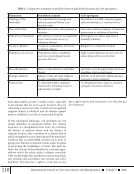
Sinnamon’s Model for Adult Sexual Grooming (ASG)
Sinnamon (2017) proposed a seven-stage model of
adult sexual grooming, describing it as “a gradual,
stepped, and calculated progression that entraps adults
in a relationship that allows the perpetrator to engage
them in an inappropriate, exploitative, and abusive
sexual relationship” (p. 473). Sinnamon argued that
sexual predators strategically position themselves
within the community to seem trustworthy and reliable,
presenting themselves as respectable individuals. Their
positive involvement in the community eliminates
suspicion, validates their social interactions with
targets, and fulfils a narcissistic need for admiration.
Sinnamon’s model comprises seven stages, which are
summarised below:
• Selecting the Victim: Perpetrators intentionally
choose targets and environments that enable
exploitation. They look for individuals who are
isolated, possess low self-esteem, lack confidence,
display co-dependent traits, or have backgrounds
of abuse.
• Gathering Information: By leveraging their
position of power, perpetrators gather personal
details about the target and their social network,
identifying vulnerabilities to exploit. This creates
opportunities to reinforce the connection.
• Gaining Personal Connection: By sharing
privileged information and normalising secrecy,
perpetrators create a sense of exclusivity and
trust, encouraging the target to reveal more and
deepening their emotional dependency.
• Meeting the Need and Establishing Credentials: In
these early stages, perpetrators exploit information
they have previously obtained to build credibility
and become indispensable in the target’s life.
• Priming the Target: At this stage, perpetrators
begin to introduce sexualised interactions,
such as intentional touch or normalised sexual
conversations, further reinforcing trust and
emotional dependence.
• Creating the Victim and Instigating Sexual Contact:
Perpetrators exploit established friendship
dynamics to make sexual contact seem natural,
spontaneous, and consensual.
• Controlling the Victim: Finally, perpetrators use
tactics such as secrecy, blame, guilt, and threats to
ensure continued compliance and silence.
Sinnamon’s model provides a foundational
understanding of ACSA. However, it does not fully
account for the unique spiritual power dynamics,
institutional structures, community expectations, and
systemic consequences that entrap adult congregant
members groomed by their pastor for sexual purposes.
2016 Chaves &Garland, 2009 Flynn, 2003 Garland &
Argueta, 2010 Kennedy, 2009 Pooler &Barros-Lane,
2022). Survivors have recounted how clergy publicly
lavished attention on them, normalising friendships
to mask warning signs, including public displays
of affection, which escalated to private requests for
intimacy (Garland &Argueta, 2010). Furthermore,
pastors frequently employed spiritual language to
reinforce the “divine” nature of their connection, often
exploiting shared passions or ministry work to create
opportunities for private interactions (Flynn, 2008
Garland, 2006).
Flynn (2003) found that clergy manipulated congregants
into believing sexual acts were neither sinful nor
abusive but rather a “good thing” (Flynn, 2003, p. 155).
This manipulation created cognitive dissonance for
victims, who felt torn between trusting their instincts
and accepting the words of a man representing divine
authority. Flynn framed clergy sexual misconduct as a
continuum of grooming, sexual harassment, and abuse,
rather than as a consensual relationship. Expanding
on Flynn’s findings, Kennedy (2009) identified
specific grooming tactics used by pastors, including
(1) romantic deception (presenting the relationship
as a courtship) (2) therapeutic deception (asserting
that sexual intimacy would offer healing or emotional
support) (3) spiritual deception (leveraging religious
authority to justify sexual activity as “God’s will”) and
the (4) demonisation of women (persuading victims
to believe they harboured a “spirit of enticement” that
needed healing from past abuse or spiritual possession).
These tactics caused survivors to question their own
perceptions, leading them to believe the activity was
divinely inspired or that they were at fault for seeking
spiritual healing (Kennedy, 2009). de Weger’s (2016)
research supported these findings, revealing that 49%
of clergy perpetrators professed their love to their
victims and used their clerical status to manipulate the
dynamic. The grooming process exploited the victim’s
vulnerabilities, trust, and religious devotion.
Sinnamon’s Model for Adult Sexual Grooming (ASG)
Sinnamon (2017) proposed a seven-stage model of
adult sexual grooming, describing it as “a gradual,
stepped, and calculated progression that entraps adults
in a relationship that allows the perpetrator to engage
them in an inappropriate, exploitative, and abusive
sexual relationship” (p. 473). Sinnamon argued that
sexual predators strategically position themselves
within the community to seem trustworthy and reliable,
presenting themselves as respectable individuals. Their
positive involvement in the community eliminates
suspicion, validates their social interactions with
targets, and fulfils a narcissistic need for admiration.
Sinnamon’s model comprises seven stages, which are
summarised below:
• Selecting the Victim: Perpetrators intentionally
choose targets and environments that enable
exploitation. They look for individuals who are
isolated, possess low self-esteem, lack confidence,
display co-dependent traits, or have backgrounds
of abuse.
• Gathering Information: By leveraging their
position of power, perpetrators gather personal
details about the target and their social network,
identifying vulnerabilities to exploit. This creates
opportunities to reinforce the connection.
• Gaining Personal Connection: By sharing
privileged information and normalising secrecy,
perpetrators create a sense of exclusivity and
trust, encouraging the target to reveal more and
deepening their emotional dependency.
• Meeting the Need and Establishing Credentials: In
these early stages, perpetrators exploit information
they have previously obtained to build credibility
and become indispensable in the target’s life.
• Priming the Target: At this stage, perpetrators
begin to introduce sexualised interactions,
such as intentional touch or normalised sexual
conversations, further reinforcing trust and
emotional dependence.
• Creating the Victim and Instigating Sexual Contact:
Perpetrators exploit established friendship
dynamics to make sexual contact seem natural,
spontaneous, and consensual.
• Controlling the Victim: Finally, perpetrators use
tactics such as secrecy, blame, guilt, and threats to
ensure continued compliance and silence.
Sinnamon’s model provides a foundational
understanding of ACSA. However, it does not fully
account for the unique spiritual power dynamics,
institutional structures, community expectations, and
systemic consequences that entrap adult congregant
members groomed by their pastor for sexual purposes.