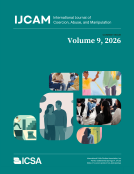
International Journal of Coercion, Abuse, and Manipulation Volume 9 2026 36
Scott, K., &Straus, M. (2007). Denial, minimization, partner blaming, and intimate aggression in dating partners.
Journal of Interpersonal Violence, 22(7), 851–871. https://doi.org/10.1177/0886260507301227
Sinnamon, G. (2017). The psychology of adult sexual grooming: Sinnamon’s seven-stage model of adult sexual
grooming. In Petherick, W., Sinnamon, G., &Petherick, W. A. (Eds.), The psychology of criminal and
antisocial behavior: Victim and offender perspectives (pp. 459–487). Elsevier Science &Technology.
Simpson, J. (2024). “Broken, Shattered and Spiritually Battered” -Groomed: Pastors who Prey on Adult
Congregation Members #ChurchToo. Master of Philosophy thesis, Queensland University of Technology.
https://doi.org/10.5204/thesis.eprints.254237
Simpson, J. (2025). The Scars Are Written on My Soul: The Impacts of Adult Clergy Sexual Exploitation.
Psychotherapy and Counselling Journal of Australia, 13(2). https:/ doi.org/10.59158/001c.143858
Sipe, A. W. R. (1994). A secret world: Sexuality and the search for celibacy. Brunner/Mazel.
Smith, C. P., &Freyd, J. J. (2014). Institutional betrayal. American Psychologist, 69(6), 575–587.
https://doi.org/10.1037/a0037564
Stark, E. (2007). Coercive control: How men entrap women in everyday life. Oxford University Press.
Stark, E., &Hester, M. (2019). Coercive control: Update and review. Violence Against Women, 25(1), 81–104.
https://doi.org/10.1177/1077801218816191
Stark, T., &van Deventer, H. (2009). The “Jezebel spirit”: A scholarly inquiry. Verbum et Ecclesia, 30(2).
http://doi.org/10.4102/ve.v30i2.301
Strauchler, O., McCloskey, K., Malloy, K., Sitaker, M., Grigsby, N., &Gillig, P. (2004). Humiliation, manipulation,
and control: Evidence of centrality in domestic violence against an adult partner. Journal of Family
Violence, 19, 339–346. https://doi.org/10.1007/s10896-004-0679-4
Taylor, J. (2020). Why women are blamed for everything: Exploring the victim blaming of women subjected to
violence and trauma. Lulu.
Tomazin, F. (2018, December 9). Forgotten victims of priest sexual abuse: They were not children, but could they
consent? The Sydney Morning Herald.
https://www.smh.com.au/national/forgotten-victims-of-priest-sexual-abuse-they-were-not-children-but-
could-they-consent-20181206-p50knj.html
van der Kolk, B. (2014). The body keeps the score: Brain, mind, and body in the healing of trauma. Penguin.
Wolf, M. R., &Pruitt, D. K. (2019). Grooming hurts too: The effects of types of perpetrator grooming on trauma
symptoms in adult survivors of child sexual abuse. Journal of Child Sexual Abuse, 28(3), 345–359.
https://doi.org/10.1080/10538712.2019.1579292
Scott, K., &Straus, M. (2007). Denial, minimization, partner blaming, and intimate aggression in dating partners.
Journal of Interpersonal Violence, 22(7), 851–871. https://doi.org/10.1177/0886260507301227
Sinnamon, G. (2017). The psychology of adult sexual grooming: Sinnamon’s seven-stage model of adult sexual
grooming. In Petherick, W., Sinnamon, G., &Petherick, W. A. (Eds.), The psychology of criminal and
antisocial behavior: Victim and offender perspectives (pp. 459–487). Elsevier Science &Technology.
Simpson, J. (2024). “Broken, Shattered and Spiritually Battered” -Groomed: Pastors who Prey on Adult
Congregation Members #ChurchToo. Master of Philosophy thesis, Queensland University of Technology.
https://doi.org/10.5204/thesis.eprints.254237
Simpson, J. (2025). The Scars Are Written on My Soul: The Impacts of Adult Clergy Sexual Exploitation.
Psychotherapy and Counselling Journal of Australia, 13(2). https:/ doi.org/10.59158/001c.143858
Sipe, A. W. R. (1994). A secret world: Sexuality and the search for celibacy. Brunner/Mazel.
Smith, C. P., &Freyd, J. J. (2014). Institutional betrayal. American Psychologist, 69(6), 575–587.
https://doi.org/10.1037/a0037564
Stark, E. (2007). Coercive control: How men entrap women in everyday life. Oxford University Press.
Stark, E., &Hester, M. (2019). Coercive control: Update and review. Violence Against Women, 25(1), 81–104.
https://doi.org/10.1177/1077801218816191
Stark, T., &van Deventer, H. (2009). The “Jezebel spirit”: A scholarly inquiry. Verbum et Ecclesia, 30(2).
http://doi.org/10.4102/ve.v30i2.301
Strauchler, O., McCloskey, K., Malloy, K., Sitaker, M., Grigsby, N., &Gillig, P. (2004). Humiliation, manipulation,
and control: Evidence of centrality in domestic violence against an adult partner. Journal of Family
Violence, 19, 339–346. https://doi.org/10.1007/s10896-004-0679-4
Taylor, J. (2020). Why women are blamed for everything: Exploring the victim blaming of women subjected to
violence and trauma. Lulu.
Tomazin, F. (2018, December 9). Forgotten victims of priest sexual abuse: They were not children, but could they
consent? The Sydney Morning Herald.
https://www.smh.com.au/national/forgotten-victims-of-priest-sexual-abuse-they-were-not-children-but-
could-they-consent-20181206-p50knj.html
van der Kolk, B. (2014). The body keeps the score: Brain, mind, and body in the healing of trauma. Penguin.
Wolf, M. R., &Pruitt, D. K. (2019). Grooming hurts too: The effects of types of perpetrator grooming on trauma
symptoms in adult survivors of child sexual abuse. Journal of Child Sexual Abuse, 28(3), 345–359.
https://doi.org/10.1080/10538712.2019.1579292