23
Jaime Simpson and Jodi Death |Pastor Sexual Exploitation of Adult Congregation Members
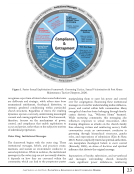
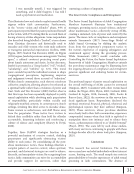
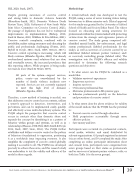
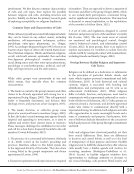
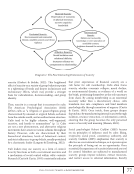
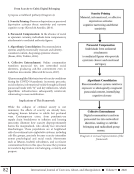
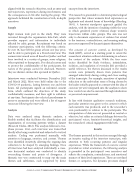
Figure 1. Pastor Sexual Exploitation Framework: Grooming Tactics, Sexual Victimisation &Post Abuse
Maintenance Tactics (Simpson, 2024).
recognises a spectrum of intent where some behaviours
are deliberate and strategic, while others stem from
unexamined entitlement, theological distortion, or
systemic gendered conditioning within patriarchal
church structures. Regardless of intent, the resulting
dynamics operate coercively, undermining meaningful
consent and causing significant harm. The framework,
therefore, focuses on the mechanisms of power,
control, and compliance that enable exploitation to
occur and persist, rather than on the subjective motives
of individual perpetrators.
Outer Ring: Institutional Messages
The framework begins with the outer ring. These
institutional messages, beliefs, and practices create,
maintain, and sustain an environment conducive to
sexual exploitation. While in isolation, the institutional
messages in the outer ring are not necessarily abusive
it depends on how they are conveyed within the
community, which can lead to the perpetrator pastor
manipulating them to exert his power and control
over the congregation. Examining these institutional
messages is crucial for understanding undue influence,
power, and control within faith communities. Many
evangelical churches foster belonging through family-
centric rhetoric (e.g., “Welcome Home” banners).
While nurturing community, this messaging also
influences responses to sexual misconduct, often
framing allegations as attacks on the church family,
thus silencing victims and reinforcing secrecy. Faith
communities create an environment conducive to
grooming through hierarchical structures, gender
roles, and expectations of submission (Kim &Shaw,
2018). Pastors, implicitly trusted as spiritual authorities,
can manipulate theological beliefs to exert control
(Kennedy, 2009) an abuse of doctrine and spiritual
influence that distorts the original message.
Expectations of loyalty, submission, and servanthood
and messages surrounding church hierarchy
create significant power imbalances, reinforcing
Jaime Simpson and Jodi Death |Pastor Sexual Exploitation of Adult Congregation Members
Figure 1. Pastor Sexual Exploitation Framework: Grooming Tactics, Sexual Victimisation &Post Abuse
Maintenance Tactics (Simpson, 2024).
recognises a spectrum of intent where some behaviours
are deliberate and strategic, while others stem from
unexamined entitlement, theological distortion, or
systemic gendered conditioning within patriarchal
church structures. Regardless of intent, the resulting
dynamics operate coercively, undermining meaningful
consent and causing significant harm. The framework,
therefore, focuses on the mechanisms of power,
control, and compliance that enable exploitation to
occur and persist, rather than on the subjective motives
of individual perpetrators.
Outer Ring: Institutional Messages
The framework begins with the outer ring. These
institutional messages, beliefs, and practices create,
maintain, and sustain an environment conducive to
sexual exploitation. While in isolation, the institutional
messages in the outer ring are not necessarily abusive
it depends on how they are conveyed within the
community, which can lead to the perpetrator pastor
manipulating them to exert his power and control
over the congregation. Examining these institutional
messages is crucial for understanding undue influence,
power, and control within faith communities. Many
evangelical churches foster belonging through family-
centric rhetoric (e.g., “Welcome Home” banners).
While nurturing community, this messaging also
influences responses to sexual misconduct, often
framing allegations as attacks on the church family,
thus silencing victims and reinforcing secrecy. Faith
communities create an environment conducive to
grooming through hierarchical structures, gender
roles, and expectations of submission (Kim &Shaw,
2018). Pastors, implicitly trusted as spiritual authorities,
can manipulate theological beliefs to exert control
(Kennedy, 2009) an abuse of doctrine and spiritual
influence that distorts the original message.
Expectations of loyalty, submission, and servanthood
and messages surrounding church hierarchy
create significant power imbalances, reinforcing