81
Zahra Choudhury |Scarcity as Latent Architecture
such as on YouTube or TikTok, exploit informational
scarcity by funneling users toward ideologically
congruent content, reinforcing confirmation bias, and
creating closed epistemic loops (Beam, 2014 Tufekci,
2015). This process transforms personal anxiety
into socially validated group beliefs, with research
suggesting that scarcity heightens susceptibility to these
algorithmically constructed echo chambers. Similarly,
social identity theory (Tajfel &Turner, 1979) highlights
how material or symbolic deprivation triggers defensive
in-group cohesion. Online communities act as “identity
sanctuaries,” validating scarcity-framed grievances and
rewarding conformity with status, while deepening
hostility toward perceived out-groups.
Moral panic further amplifies these effects by
reframing diffuse economic or social scarcity into
moralized threats, such as elites or immigrants, which
cultic movements exploit to position themselves as
custodians of order and clarity (Cohen, 2011). Under
such conditions, memetic transmission serves as a
cognitive shortcut: simplified, emotionally charged
cultural units spread virally, reducing cognitive load
for scarcity-primed individuals and converting anxiety
into symbolically resonant ideological cues (Phillips
&Milner, 2017). Finally, in a hyper-capitalist context,
belief itself becomes a commodity, with cults and
extremist movements operating like brands, offering
identity “subscriptions,” manufacturing symbolic
scarcity through “exclusive” insider truths, and
punishing defection to maintain loyalty (Lindstrom,
2011 Godin, 2018). Together, these mechanisms
demonstrate how scarcity functions not as a single
variable but as a structural condition that binds
psychological vulnerability to digital infrastructure,
intensifying the shift from deprivation to radicalization.
Neuroscience reinforces these insights. Under scarcity,
neural processing shifts from reflective reasoning to
threat-driven reactivity, making individuals more
emotionally volatile and susceptible to manipulation
(Mani et al., 2013). Emotional contagion in digital
networks then amplifies these vulnerabilities,
transforming isolated fear into collective outrage
(Brady et al., 2017). Finally, platform gamification
exploits these dynamics by manufacturing artificial
scarcity through likes, shares, and algorithmic rewards,
further conditioning individuals to seek meaning and
affirmation within closed systems (Zuboff, 2019).
Beyond material and informational scarcity, ecological
scarcity is becoming a prominent driver of fear-based
group formation. Climate change, environmental
degradation, and resource collapse have been linked
to rising anxiety and the emergence of doomsday-
oriented groups, including eco-fascist movements that
weaponize environmental concerns for ideological
recruitment (Hoffman &Sandelands, 2005).
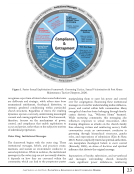
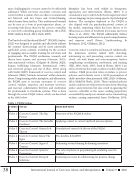
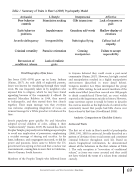
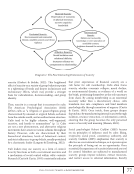
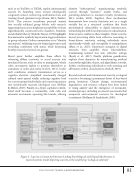
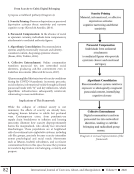
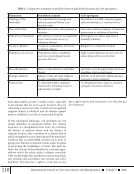
Figure 3: Scarcity as Latent Architecture Linking Psychological and Digital Mechanisms A
layered systems model depicting scarcity as the underlying “ecological substrate”
Zahra Choudhury |Scarcity as Latent Architecture
such as on YouTube or TikTok, exploit informational
scarcity by funneling users toward ideologically
congruent content, reinforcing confirmation bias, and
creating closed epistemic loops (Beam, 2014 Tufekci,
2015). This process transforms personal anxiety
into socially validated group beliefs, with research
suggesting that scarcity heightens susceptibility to these
algorithmically constructed echo chambers. Similarly,
social identity theory (Tajfel &Turner, 1979) highlights
how material or symbolic deprivation triggers defensive
in-group cohesion. Online communities act as “identity
sanctuaries,” validating scarcity-framed grievances and
rewarding conformity with status, while deepening
hostility toward perceived out-groups.
Moral panic further amplifies these effects by
reframing diffuse economic or social scarcity into
moralized threats, such as elites or immigrants, which
cultic movements exploit to position themselves as
custodians of order and clarity (Cohen, 2011). Under
such conditions, memetic transmission serves as a
cognitive shortcut: simplified, emotionally charged
cultural units spread virally, reducing cognitive load
for scarcity-primed individuals and converting anxiety
into symbolically resonant ideological cues (Phillips
&Milner, 2017). Finally, in a hyper-capitalist context,
belief itself becomes a commodity, with cults and
extremist movements operating like brands, offering
identity “subscriptions,” manufacturing symbolic
scarcity through “exclusive” insider truths, and
punishing defection to maintain loyalty (Lindstrom,
2011 Godin, 2018). Together, these mechanisms
demonstrate how scarcity functions not as a single
variable but as a structural condition that binds
psychological vulnerability to digital infrastructure,
intensifying the shift from deprivation to radicalization.
Neuroscience reinforces these insights. Under scarcity,
neural processing shifts from reflective reasoning to
threat-driven reactivity, making individuals more
emotionally volatile and susceptible to manipulation
(Mani et al., 2013). Emotional contagion in digital
networks then amplifies these vulnerabilities,
transforming isolated fear into collective outrage
(Brady et al., 2017). Finally, platform gamification
exploits these dynamics by manufacturing artificial
scarcity through likes, shares, and algorithmic rewards,
further conditioning individuals to seek meaning and
affirmation within closed systems (Zuboff, 2019).
Beyond material and informational scarcity, ecological
scarcity is becoming a prominent driver of fear-based
group formation. Climate change, environmental
degradation, and resource collapse have been linked
to rising anxiety and the emergence of doomsday-
oriented groups, including eco-fascist movements that
weaponize environmental concerns for ideological
recruitment (Hoffman &Sandelands, 2005).
Figure 3: Scarcity as Latent Architecture Linking Psychological and Digital Mechanisms A
layered systems model depicting scarcity as the underlying “ecological substrate”