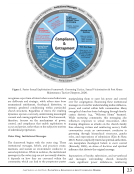
25
Jaime Simpson and Jodi Death |Pastor Sexual Exploitation of Adult Congregation Members
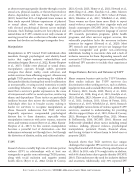
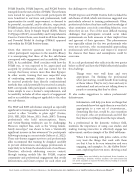
serious illnesses, and a few were experiencing thoughts
of suicide and remembering their experiences of child
abuse. These findings echo previous research showing
that clergy-perpetrated sexual exploitation frequently
occurs when adults are experiencing emotional
vulnerability, relational distress, or spiritual crisis
(de Weger, 2016 Flynn, 2003 Kennedy, 2009). Such
circumstances can heighten dependency on pastoral
support and increase susceptibility to grooming,
exploitation, and coercive control.
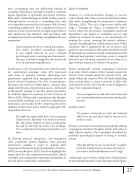
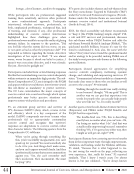
The data indicated that pastors initially focused on
congregation members seeking purpose, belonging,
and additional support from their faith community.
Sinnamon (2017) notes that perpetrators often invest
time in getting to know their targets and gathering
specific information about their needs, personalities,
and vulnerabilities. This knowledge enables offenders
to tailor their grooming strategies to each individual,
presenting themselves as uniquely attuned to the victim’s
emotional and spiritual needs. This pattern was evident
in the present research. Such vulnerabilities increase
susceptibility to pastoral influence, as individuals trust
the pastor’s authority and guidance. The pastor also
preyed on the vulnerability of teenagers leaving high
school and young adults as they sought guidance while
navigating the challenges of establishing their adult
identities. Additionally, pastors leveraged congregants’
ministry gifts and their desire to serve, using gaslighting
tactics to obscure predatory behaviours under the
guise of mentorship and spiritual development. One
respondent noted:
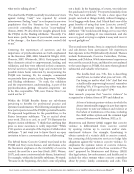
I was searching for purpose and excited to
use my gifts in a role that I believed would
help many people in the church.
The pastors also specifically targeted compassionate
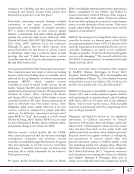
and empathetic individuals, and 77% of respondents
identified as having a compliant personality and 87%
as overly trusting. Such individuals were more likely
to prioritise the pastor’s needs over their own, making
boundary violations easier to justify.
Tactic 2: Spiritual Love Bombing
Spiritual love bombing is a manipulative tactic pastors
use to create an intimate bond through abundant
spiritual affection and attention, boosting the
congregation members’ sense of belonging. Whilst
initially the attention can be flattering, it can also
be dangerously manipulative the pastor is creating
an environment where the congregation member is
continually monitored and controlled under the guise
of spiritual attention or discipleship. This behaviour
corresponds most closely to Stage 3, Gaining Personal
Connection and partially to Stage 4, Meeting the Need
and Establishing Credentials, in Sinnamon’s (2017)
model. While Sinnamon identifies the creation of
exclusivity and trust, highlighting that the perpetrator
seeks to display the image of a ‘true friend’ to establish
credibility, this study highlights a uniquely spiritualised
form of love bombing in which affection, prayer, and
divine validation are used to forge deep emotional
dependency. The addition of theological framing adds
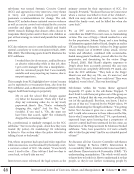
new value by demonstrating how spiritual intimacy
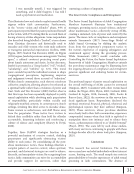
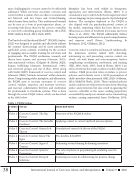
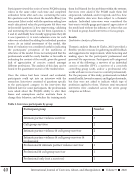
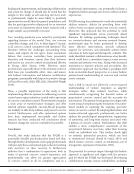
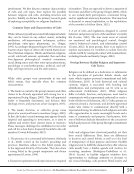
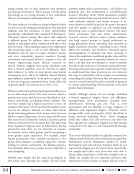
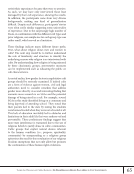
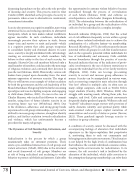
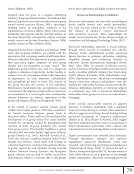
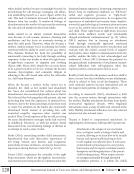
functions as both grooming and control. Table 1 reveals
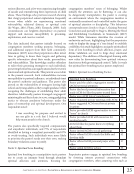
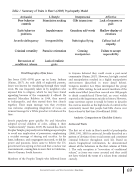
the spiritual love bombing tactics pastors employed.
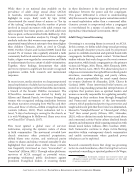
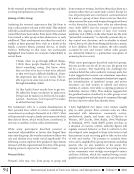
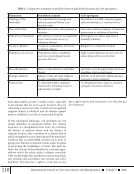
Table 1. Spiritual Love Bombing Tactics
Spiritual Love Bombing %
Pastor paid the adult congregation member
(ACM) personal attention
82
Pastor disclosed personal information that
made ACM feel like the pastor trusted them
79
Pastor gave ACM lots of compliments 75
Pastor requested private meetings with ACM 63
Pastor suggested ACM meet him at private
locations
63
Pastor provided ACM opportunities to serve
“more” in church
61
Pastor provided ACM with resources for
spiritual growth
50
ACM felt like the pastor knew everything
about them
57
Pastor invited ACM to social gatherings 53
Pastor offered ACM to teach the Bible and
develop skills
42
Pastor offered ACM personal prayer at the
office
37
Pastor called ACM for advice 33
Perpetrator pastors engage in spiritual love bombing
by fostering intense personal connections with
congregation members, often assuming roles such as
Jaime Simpson and Jodi Death |Pastor Sexual Exploitation of Adult Congregation Members
serious illnesses, and a few were experiencing thoughts
of suicide and remembering their experiences of child
abuse. These findings echo previous research showing
that clergy-perpetrated sexual exploitation frequently
occurs when adults are experiencing emotional
vulnerability, relational distress, or spiritual crisis
(de Weger, 2016 Flynn, 2003 Kennedy, 2009). Such
circumstances can heighten dependency on pastoral
support and increase susceptibility to grooming,
exploitation, and coercive control.
The data indicated that pastors initially focused on
congregation members seeking purpose, belonging,
and additional support from their faith community.
Sinnamon (2017) notes that perpetrators often invest
time in getting to know their targets and gathering
specific information about their needs, personalities,
and vulnerabilities. This knowledge enables offenders
to tailor their grooming strategies to each individual,
presenting themselves as uniquely attuned to the victim’s
emotional and spiritual needs. This pattern was evident
in the present research. Such vulnerabilities increase
susceptibility to pastoral influence, as individuals trust
the pastor’s authority and guidance. The pastor also
preyed on the vulnerability of teenagers leaving high
school and young adults as they sought guidance while
navigating the challenges of establishing their adult
identities. Additionally, pastors leveraged congregants’
ministry gifts and their desire to serve, using gaslighting
tactics to obscure predatory behaviours under the
guise of mentorship and spiritual development. One
respondent noted:
I was searching for purpose and excited to
use my gifts in a role that I believed would
help many people in the church.
The pastors also specifically targeted compassionate
and empathetic individuals, and 77% of respondents
identified as having a compliant personality and 87%
as overly trusting. Such individuals were more likely
to prioritise the pastor’s needs over their own, making
boundary violations easier to justify.
Tactic 2: Spiritual Love Bombing
Spiritual love bombing is a manipulative tactic pastors
use to create an intimate bond through abundant
spiritual affection and attention, boosting the
congregation members’ sense of belonging. Whilst
initially the attention can be flattering, it can also
be dangerously manipulative the pastor is creating
an environment where the congregation member is
continually monitored and controlled under the guise
of spiritual attention or discipleship. This behaviour
corresponds most closely to Stage 3, Gaining Personal
Connection and partially to Stage 4, Meeting the Need
and Establishing Credentials, in Sinnamon’s (2017)
model. While Sinnamon identifies the creation of
exclusivity and trust, highlighting that the perpetrator
seeks to display the image of a ‘true friend’ to establish
credibility, this study highlights a uniquely spiritualised
form of love bombing in which affection, prayer, and
divine validation are used to forge deep emotional
dependency. The addition of theological framing adds
new value by demonstrating how spiritual intimacy
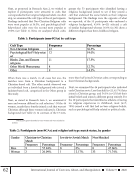
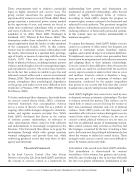
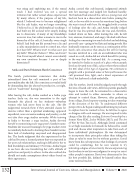
functions as both grooming and control. Table 1 reveals
the spiritual love bombing tactics pastors employed.
Table 1. Spiritual Love Bombing Tactics
Spiritual Love Bombing %
Pastor paid the adult congregation member
(ACM) personal attention
82
Pastor disclosed personal information that
made ACM feel like the pastor trusted them
79
Pastor gave ACM lots of compliments 75
Pastor requested private meetings with ACM 63
Pastor suggested ACM meet him at private
locations
63
Pastor provided ACM opportunities to serve
“more” in church
61
Pastor provided ACM with resources for
spiritual growth
50
ACM felt like the pastor knew everything
about them
57
Pastor invited ACM to social gatherings 53
Pastor offered ACM to teach the Bible and
develop skills
42
Pastor offered ACM personal prayer at the
office
37
Pastor called ACM for advice 33
Perpetrator pastors engage in spiritual love bombing
by fostering intense personal connections with
congregation members, often assuming roles such as