41
Kate Amber and Roderick Dubrow-Marshall |An Investigation into the Efficacy of the PsychoSocial Quicksand Model™
Through a combination of deductive and inductive
thematic analysis (TA) and following Braun and
Clarke’s (2006) six-recursive-phases of: familiarization
coding generating initial themes reviewing and
developing themes refining, defining, and naming
themes and writing up, data were coded primarily
based on questions posed and answered regarding the
PSQM. TA was inductive, meaning the researcher’s
“analytic lens does not completely override their
stories” (Braun &Clarke, 2012), and deductive,
wherein the researcher drew upon theories concerned
with patriarchy, feminism, coercive control, and
coercive violence to obtain relevant themes from the
participants’ interviews (Hill, 2020, Johnson, 2005
Monterrosa &Hattery, 2022 Stark, 2007 Sultana,
2012).
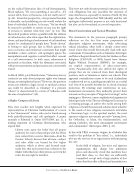
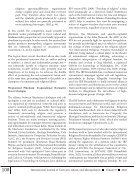
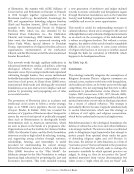
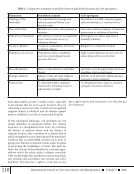
Transcripts of the interviews were coded and analyzed
to reveal early themes. The themes from each interview
were then analyzed for possible sub-themes and
to merge similar themes. Next, most themes and
sub-themes across interviews were combined and/
or renamed, with two meta-themes emerging as
predominant. The two meta-themes, PSQM and
Story, emerged from interviews. PSQM arose in
response to interview questions posed to participants
about the model. Story, on the other hand, included
themes and sub-themes that the participants were not
directly questioned about, but which arose naturally
from participants’ reflections on their personal and/or
professional experiences after viewing the seven videos.
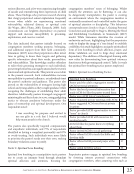
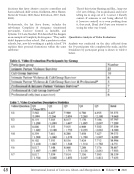
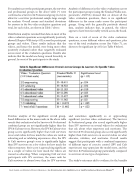
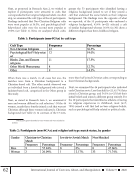
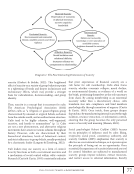
The PSQM contains three themes, and Story comprises
five, with the hybrid theme Coercive Control spanning
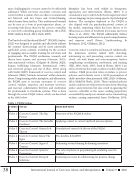
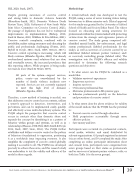
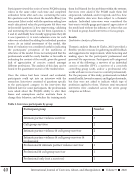
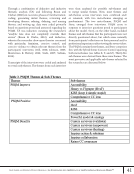
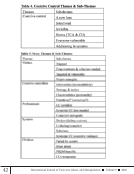
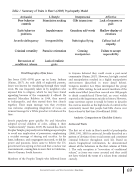
both meta-themes (see tables X, Y, and Z). Thirty-five
sub-themes were derived from these nine themes. The
most pervasive and applicable sub-themes selected by
the researcher are discussed below.
Kate Amber and Roderick Dubrow-Marshall |An Investigation into the Efficacy of the PsychoSocial Quicksand Model™
Through a combination of deductive and inductive
thematic analysis (TA) and following Braun and
Clarke’s (2006) six-recursive-phases of: familiarization
coding generating initial themes reviewing and
developing themes refining, defining, and naming
themes and writing up, data were coded primarily
based on questions posed and answered regarding the
PSQM. TA was inductive, meaning the researcher’s
“analytic lens does not completely override their
stories” (Braun &Clarke, 2012), and deductive,
wherein the researcher drew upon theories concerned
with patriarchy, feminism, coercive control, and
coercive violence to obtain relevant themes from the
participants’ interviews (Hill, 2020, Johnson, 2005
Monterrosa &Hattery, 2022 Stark, 2007 Sultana,
2012).
Transcripts of the interviews were coded and analyzed
to reveal early themes. The themes from each interview
were then analyzed for possible sub-themes and
to merge similar themes. Next, most themes and
sub-themes across interviews were combined and/
or renamed, with two meta-themes emerging as
predominant. The two meta-themes, PSQM and
Story, emerged from interviews. PSQM arose in
response to interview questions posed to participants
about the model. Story, on the other hand, included
themes and sub-themes that the participants were not
directly questioned about, but which arose naturally
from participants’ reflections on their personal and/or
professional experiences after viewing the seven videos.
The PSQM contains three themes, and Story comprises
five, with the hybrid theme Coercive Control spanning
both meta-themes (see tables X, Y, and Z). Thirty-five
sub-themes were derived from these nine themes. The
most pervasive and applicable sub-themes selected by
the researcher are discussed below.