International Journal of Coercion, Abuse, and Manipulation Volume 9 2026 138
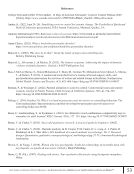
Goldberg, L. (2006). Raised in cultic groups: The impact on the development of certain aspects of character.
Cultic Studies Review, 5, 1–28. https://internationalculticstudies.org/icsa-insights/raised-in-cultic-groups-
the-impact-on-the-development-of-certain-aspects-of-character/
Goldberg, L. (2003). Reflections on marriage and children after the cult. Cultic Studies Review, 2, 9–29.
https://articles2.icsahome.com/articles/reflections-on-marriage-and-children-after-the-cult
Goldberg, L. (2017). Helping first-generation parents and second-generation children heal the impact of cult
harm. In M. Langone, L. Goldberg, R. Henry, Cult recovery: A clinician’s guide. International Cultic
Studies Association, pp. 241-258.
Goldberg, L. (2018). Therapy with former members of cultic groups or relationships. In New Religious Movements
and Counselling, ed. Harvey, S., Steidinger, S., and Beckford, Routledge, London and New York, pp. 65-
79.
Greenson, R. R. (1967). The technique and practice of psychoanalysis (vol. 1). International Universities Press,
Inc.
Herman, J. Lewis. (1997). Trauma and recovery. Basic Books.
Howell, E. (2005). The dissociative mind. Routledge.
Kanter, R. M. (1972). Commitment and community: Communes and utopias in sociology perspective.
Harvard University Press.
Lamagna, J., &Gleiser, K. A. (2007). Building a secure internal attachment: an intra-relational. approach to ego
strengthening and emotional processing with chronically traumatised clients. Journal of Trauma and
Dissociation, 8(1), 25–52. https://doi.org/10.1300/J229v08n01_03
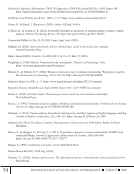
Langone, M. (1996). Clinical update on cults. Psychiatric Times, 13(7).
https://www.psychiatrictimes.com/view/clinical-update-cults
Levine, P. (1997). Waking the tiger: Healing trauma. North Atlantic Books.
Lifton, R. (1961). Thought reform and the psychology of totalism. W.W. Norton. Press.
Markowitz, A., &Halperin, D. A. (1984). Cults and children. Cultic Studies Journal, 1, 143–155.
Ogawa, J. R., Sroufe, L. A., Weinfield, N. S., Carlson, E. A., &Egeland, B. (1997). Development and the
fragmented self: Longitudinal study of dissociative symptomatology in a nonclinical sample. Development
and Psychopathology, 9(4), 855– 879. https://doi.org/ 10.1017/S0954579497001478
Ogden, P. (2012). Commentary on a paper by Ellen F. Fries. Psychoanalytic Dialogues, 22(15), 606–615.
https://doi.org/10.1080/10481885.2012.719451
Perry, B. D., Pollard, R. A., Blakely, T. L., Baker, W. L., Vigilante, D. (1995). Childhood trauma, the
neurobiology of adaptation, and “Use-Dependent” development of the brain: How “States” become
“Traits.” Infant Mental Health Journal, 16(4), 271–291.
https://doi.org/10.1002/1097-0355(199524)16:4%3C271::AID-IMHJ2280160404%3E3.0.CO 2-B
Goldberg, L. (2006). Raised in cultic groups: The impact on the development of certain aspects of character.
Cultic Studies Review, 5, 1–28. https://internationalculticstudies.org/icsa-insights/raised-in-cultic-groups-
the-impact-on-the-development-of-certain-aspects-of-character/
Goldberg, L. (2003). Reflections on marriage and children after the cult. Cultic Studies Review, 2, 9–29.
https://articles2.icsahome.com/articles/reflections-on-marriage-and-children-after-the-cult
Goldberg, L. (2017). Helping first-generation parents and second-generation children heal the impact of cult
harm. In M. Langone, L. Goldberg, R. Henry, Cult recovery: A clinician’s guide. International Cultic
Studies Association, pp. 241-258.
Goldberg, L. (2018). Therapy with former members of cultic groups or relationships. In New Religious Movements
and Counselling, ed. Harvey, S., Steidinger, S., and Beckford, Routledge, London and New York, pp. 65-
79.
Greenson, R. R. (1967). The technique and practice of psychoanalysis (vol. 1). International Universities Press,
Inc.
Herman, J. Lewis. (1997). Trauma and recovery. Basic Books.
Howell, E. (2005). The dissociative mind. Routledge.
Kanter, R. M. (1972). Commitment and community: Communes and utopias in sociology perspective.
Harvard University Press.
Lamagna, J., &Gleiser, K. A. (2007). Building a secure internal attachment: an intra-relational. approach to ego
strengthening and emotional processing with chronically traumatised clients. Journal of Trauma and
Dissociation, 8(1), 25–52. https://doi.org/10.1300/J229v08n01_03
Langone, M. (1996). Clinical update on cults. Psychiatric Times, 13(7).
https://www.psychiatrictimes.com/view/clinical-update-cults
Levine, P. (1997). Waking the tiger: Healing trauma. North Atlantic Books.
Lifton, R. (1961). Thought reform and the psychology of totalism. W.W. Norton. Press.
Markowitz, A., &Halperin, D. A. (1984). Cults and children. Cultic Studies Journal, 1, 143–155.
Ogawa, J. R., Sroufe, L. A., Weinfield, N. S., Carlson, E. A., &Egeland, B. (1997). Development and the
fragmented self: Longitudinal study of dissociative symptomatology in a nonclinical sample. Development
and Psychopathology, 9(4), 855– 879. https://doi.org/ 10.1017/S0954579497001478
Ogden, P. (2012). Commentary on a paper by Ellen F. Fries. Psychoanalytic Dialogues, 22(15), 606–615.
https://doi.org/10.1080/10481885.2012.719451
Perry, B. D., Pollard, R. A., Blakely, T. L., Baker, W. L., Vigilante, D. (1995). Childhood trauma, the
neurobiology of adaptation, and “Use-Dependent” development of the brain: How “States” become
“Traits.” Infant Mental Health Journal, 16(4), 271–291.
https://doi.org/10.1002/1097-0355(199524)16:4%3C271::AID-IMHJ2280160404%3E3.0.CO 2-B