115
Cyrus Abbasian |Book Review: Psychobiographies and Godly Visions
Book Review: Psychobiographies and Godly Visions:
Disordered Minds and the Origins of Religiosity By Stephen A. Kent
(Cham, Switzerland: Palgrave Macmillan, 2025), 308 pp.
Cyrus Abbasian1
1 Correspondences should be forwarded to abbasian@hotmail.com. Consultant Psychiatrist. London, UK. linkedin.com/in/abbasian.
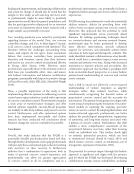
Stephen A. Kent is Emeritus Professor of Sociology
at the University of Alberta. Over decades he has
published extensively on cultic studies and has served
as an expert witness in legal proceedings involving
such groups. Psychobiographies and Godly Visions
represents a culmination of Kent’s long engagement
with cult studies, offering a cross-disciplinary analysis
that draws on psychiatry, neurology, and sociology to
examine the origins of religiosity.
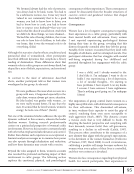
The integration of psychiatry and neurology makes the
book ambitious in scope. The opening three chapters
focus on psychiatric conditions and personality
disorders. Kent applies these frameworks to case
studies of a diverse group of leaders. The middle
section, spanning chapters four to six, turns to epilepsy,
focusing on its possible influence on religious founders.
The final two chapters broaden the perspective,
bringing in Kent’s own personal reflections, critiquing
purely sociological approaches and instead arguing for
a biopsychosocial model that integrates biomedical,
psychological, as well as social dimensions.
One of the strengths of this book lies in its detailed
account of how psychiatric symptoms and conditions,
as well as personality traits and disorders, may shape
these movements. Narcissism and psychopathy can
drive coercive control, while hallucinations and
delusions may lead individuals to interpret their
experiences as divine callings. Trauma emerges as a
recurring theme, not only predisposing individuals to
join cults but also influencing the leadership styles of
founders shaped by abusive pasts.
A further strength is Kent’s commitment to detailed
biopsychosocial framing. His insistence that social
explanations cannot stand alone but must be considered
alongside biomedical as well as psychological traits
and vulnerabilities resonates with modern psychiatric
practice.
His argument is timely. There is growing public
interest in cults, and in how social media and AI can
perpetuate cult-type influence within areas including
politics and medicine. Given the contemporary
overlaps between cults and extremist groups, research
from CREST (Centre for Research and Evidence on
Security Threats) in the UK reinforces this point. Kent
touches on how extremist organisations often rely on
recruitment and control strategies strikingly similar to
cults.
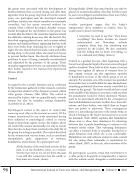
There are, however, important caveats.
Psychobiographies rely on second-hand accounts and
the retrospective application of diagnostic categories.
As clinicians know, psychiatric formulation depends
on confidentiality, detailed histories, and direct clinical
observation. Without these, there is a danger of over-
pathologisation. Kent himself acknowledges this.
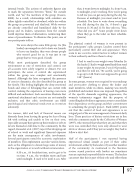
Using categorical diagnoses such as schizophrenia
or personality disorder risks oversimplification and
reinforcing stigma. In reality, patients with severe
mental illnesses, such as schizophrenia or personality
disorder, are significantly impaired, including
in their executive functioning, and would rarely
possess the sustained organisational capacity to lead
complex cultic or new religious enterprises. A more
cautious use of terms such as “psychotic symptoms” or
“narcissistic traits” would usually avoid this problem.
Also, categorical criteria (as in ICD and DSM) are
incomplete, while dimensional ones, such as the
PRoGO framework (Leucht et al., 2025), can be more
detailed and explanatory, especially when historical
data is analysed.
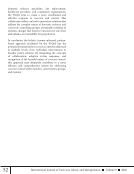
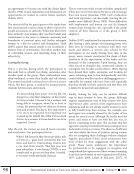
Three further omissions are notable. Dissociation
receives little attention, despite its centrality in trauma
and its high prevalence among cult members and
survivors. Dissociative disorders would have been
particularly relevant to chapter three, given their
strong links to trauma. Neurodiversity is also absent.
doi: 10.54208/1000/0009/009
Cyrus Abbasian |Book Review: Psychobiographies and Godly Visions
Book Review: Psychobiographies and Godly Visions:
Disordered Minds and the Origins of Religiosity By Stephen A. Kent
(Cham, Switzerland: Palgrave Macmillan, 2025), 308 pp.
Cyrus Abbasian1
1 Correspondences should be forwarded to abbasian@hotmail.com. Consultant Psychiatrist. London, UK. linkedin.com/in/abbasian.
Stephen A. Kent is Emeritus Professor of Sociology
at the University of Alberta. Over decades he has
published extensively on cultic studies and has served
as an expert witness in legal proceedings involving
such groups. Psychobiographies and Godly Visions
represents a culmination of Kent’s long engagement
with cult studies, offering a cross-disciplinary analysis
that draws on psychiatry, neurology, and sociology to
examine the origins of religiosity.
The integration of psychiatry and neurology makes the
book ambitious in scope. The opening three chapters
focus on psychiatric conditions and personality
disorders. Kent applies these frameworks to case
studies of a diverse group of leaders. The middle
section, spanning chapters four to six, turns to epilepsy,
focusing on its possible influence on religious founders.
The final two chapters broaden the perspective,
bringing in Kent’s own personal reflections, critiquing
purely sociological approaches and instead arguing for
a biopsychosocial model that integrates biomedical,
psychological, as well as social dimensions.
One of the strengths of this book lies in its detailed
account of how psychiatric symptoms and conditions,
as well as personality traits and disorders, may shape
these movements. Narcissism and psychopathy can
drive coercive control, while hallucinations and
delusions may lead individuals to interpret their
experiences as divine callings. Trauma emerges as a
recurring theme, not only predisposing individuals to
join cults but also influencing the leadership styles of
founders shaped by abusive pasts.
A further strength is Kent’s commitment to detailed
biopsychosocial framing. His insistence that social
explanations cannot stand alone but must be considered
alongside biomedical as well as psychological traits
and vulnerabilities resonates with modern psychiatric
practice.
His argument is timely. There is growing public
interest in cults, and in how social media and AI can
perpetuate cult-type influence within areas including
politics and medicine. Given the contemporary
overlaps between cults and extremist groups, research
from CREST (Centre for Research and Evidence on
Security Threats) in the UK reinforces this point. Kent
touches on how extremist organisations often rely on
recruitment and control strategies strikingly similar to
cults.
There are, however, important caveats.
Psychobiographies rely on second-hand accounts and
the retrospective application of diagnostic categories.
As clinicians know, psychiatric formulation depends
on confidentiality, detailed histories, and direct clinical
observation. Without these, there is a danger of over-
pathologisation. Kent himself acknowledges this.
Using categorical diagnoses such as schizophrenia
or personality disorder risks oversimplification and
reinforcing stigma. In reality, patients with severe
mental illnesses, such as schizophrenia or personality
disorder, are significantly impaired, including
in their executive functioning, and would rarely
possess the sustained organisational capacity to lead
complex cultic or new religious enterprises. A more
cautious use of terms such as “psychotic symptoms” or
“narcissistic traits” would usually avoid this problem.
Also, categorical criteria (as in ICD and DSM) are
incomplete, while dimensional ones, such as the
PRoGO framework (Leucht et al., 2025), can be more
detailed and explanatory, especially when historical
data is analysed.
Three further omissions are notable. Dissociation
receives little attention, despite its centrality in trauma
and its high prevalence among cult members and
survivors. Dissociative disorders would have been
particularly relevant to chapter three, given their
strong links to trauma. Neurodiversity is also absent.
doi: 10.54208/1000/0009/009