International Journal of Coercion, Abuse, and Manipulation Volume 9 2026 108
In this model, the competition made possible by
pluralism seems paradoxically to favor radical and
fundamentalist groups that are structurally opposed to
pluralism in principle. In other words, the spiritual free
market produces monopolistic religious movements
that are inherently opposed to coexistence and
ecumenism, i.e., to the market itself.
The logical short-circuit described above also leads
to the paradoxical outcome that an author seeking
to reinforce a closed and traditionalist perspective—
one inherently hostile to religious freedom—must
nonetheless vocally defend cults privately that he
disapproves of. In doing so, he achieves the double
effect of promoting his anti-ecumenical vision and,
at the same time, presenting himself to the public as a
champion of ecumenism and religious liberty.
Weaponized Pluralism: Transnational Normative
Power Strategies
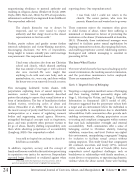
The alliance between libertarian ideologues and cult
apologists is not just an academic or cultural affair:
it is supported by institutional networks and aims to
achieve common political goals. While their language
may differ, both seek to dismantle the regulatory
framework surrounding religion and promote a
notion of unconditional and unrestricted religious
freedom. There are many overlaps, meeting points,
and opportunities for synergies between organizations
and individual actors in these fields. These include all
the libertarian foundations coordinated by the Atlas
Network (Acton Institute, Heritage Foundation, Cato
Institute, Americans for Prosperity, Federalist Society,
ALEC, etc.), the Property and Freedom Society (PFS)
founded by prominent libertarian Hans-Hermann
Hoppe, and most notably the International Roundtable
for Religious Freedom (IRF). Several personalities
associated with “cult apologetics” have taken part in
events in this environment. For example, Bernd Höcker
and Carlos A. Gebauer, both known for defending the
legal status of Scientology in Germany, have spoken at
religious experience…Stricter organisations
charge a higher price and check that everyone
pays. They therefore allow fewer free riders,
and the symbolic goods produced by a group
without free riders are generally portrayed as
more satisfying (Introvigne, 2005, p. 44).
PFS events (PFS, 2009). “Freedom of religion” is thus
used strategically as a rhetorical shield. Institutions
such as the International Centre for Law and Religion
Studies (ICLRS) and the Alliance Defending Freedom
(ADF) help to reinforce this view by propagating a
notion of negative freedom that resists even minimal
state intervention, regardless of proven harm.
However, the libertarian and anarcho-capitalist
organizations of the Atlas Network, the ADF, or the
PFS do not primarily fight for spiritual deregulation,
but provide an ideological space in which to celebrate
the critique of state oversight in the religious sphere.
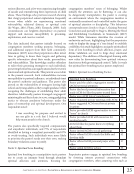
The International Religious Freedom Roundtable is
different, being instead a central player in the theater
of international religious lobbying, advocating a
maximalist interpretation of religious freedom. Its
founder and co-chair is Greg Mitchell, a registered
lobbyist for Scientology in Washington, D.C. (Cult
Education Institute, 2103 Opensecrets, 2023 Ortega,
2023). The IRF Roundtable has coordinated numerous
international campaigns against anti-cult legislation,
particularly in Europe. Allegedly, Scientology has
used the IRF Roundtable to build informal alliances
with conservative and libertarian actors in the United
States and Europe and to exploit the notion of religious
freedom to delegitimize the surveillance of high-
demand religious groups (Ortega, 2018).
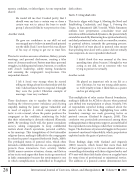
The IRF harbors and collaborates with figures from the
neoconservative and libertarian world, such as former
Ambassador-at-Large for International Religious
Freedom Sam Brownback, who is close to Atlas Network
foundations such as Americans for Prosperity, the
Heritage Foundation, and the Acton Institute (Heritage
Foundation Annual Report 2016), which also funded
his election campaign (OpenSecrets, n.d.).
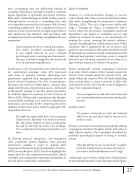
All the major European actors who advocate for religious
freedom work or have worked with the International
Religious Freedom Roundtable. For example, CESNUR
and Human Rights Without Frontiers (HRWF) were
among the signatories of a petition under the IRF
banner calling for the withdrawal of the consultative
status of FECRIS, the European Federation of Anti-
Cult Associations, in ECOSOC (IRF Roundtable
letter, 2022). In reality, all these personalities in various
combinations are frequently seen at public events and
international summits on religious freedom. By way
In this model, the competition made possible by
pluralism seems paradoxically to favor radical and
fundamentalist groups that are structurally opposed to
pluralism in principle. In other words, the spiritual free
market produces monopolistic religious movements
that are inherently opposed to coexistence and
ecumenism, i.e., to the market itself.
The logical short-circuit described above also leads
to the paradoxical outcome that an author seeking
to reinforce a closed and traditionalist perspective—
one inherently hostile to religious freedom—must
nonetheless vocally defend cults privately that he
disapproves of. In doing so, he achieves the double
effect of promoting his anti-ecumenical vision and,
at the same time, presenting himself to the public as a
champion of ecumenism and religious liberty.
Weaponized Pluralism: Transnational Normative
Power Strategies
The alliance between libertarian ideologues and cult
apologists is not just an academic or cultural affair:
it is supported by institutional networks and aims to
achieve common political goals. While their language
may differ, both seek to dismantle the regulatory
framework surrounding religion and promote a
notion of unconditional and unrestricted religious
freedom. There are many overlaps, meeting points,
and opportunities for synergies between organizations
and individual actors in these fields. These include all
the libertarian foundations coordinated by the Atlas
Network (Acton Institute, Heritage Foundation, Cato
Institute, Americans for Prosperity, Federalist Society,
ALEC, etc.), the Property and Freedom Society (PFS)
founded by prominent libertarian Hans-Hermann
Hoppe, and most notably the International Roundtable
for Religious Freedom (IRF). Several personalities
associated with “cult apologetics” have taken part in
events in this environment. For example, Bernd Höcker
and Carlos A. Gebauer, both known for defending the
legal status of Scientology in Germany, have spoken at
religious experience…Stricter organisations
charge a higher price and check that everyone
pays. They therefore allow fewer free riders,
and the symbolic goods produced by a group
without free riders are generally portrayed as
more satisfying (Introvigne, 2005, p. 44).
PFS events (PFS, 2009). “Freedom of religion” is thus
used strategically as a rhetorical shield. Institutions
such as the International Centre for Law and Religion
Studies (ICLRS) and the Alliance Defending Freedom
(ADF) help to reinforce this view by propagating a
notion of negative freedom that resists even minimal
state intervention, regardless of proven harm.
However, the libertarian and anarcho-capitalist
organizations of the Atlas Network, the ADF, or the
PFS do not primarily fight for spiritual deregulation,
but provide an ideological space in which to celebrate
the critique of state oversight in the religious sphere.
The International Religious Freedom Roundtable is
different, being instead a central player in the theater
of international religious lobbying, advocating a
maximalist interpretation of religious freedom. Its
founder and co-chair is Greg Mitchell, a registered
lobbyist for Scientology in Washington, D.C. (Cult
Education Institute, 2103 Opensecrets, 2023 Ortega,
2023). The IRF Roundtable has coordinated numerous
international campaigns against anti-cult legislation,
particularly in Europe. Allegedly, Scientology has
used the IRF Roundtable to build informal alliances
with conservative and libertarian actors in the United
States and Europe and to exploit the notion of religious
freedom to delegitimize the surveillance of high-
demand religious groups (Ortega, 2018).
The IRF harbors and collaborates with figures from the
neoconservative and libertarian world, such as former
Ambassador-at-Large for International Religious
Freedom Sam Brownback, who is close to Atlas Network
foundations such as Americans for Prosperity, the
Heritage Foundation, and the Acton Institute (Heritage
Foundation Annual Report 2016), which also funded
his election campaign (OpenSecrets, n.d.).
All the major European actors who advocate for religious
freedom work or have worked with the International
Religious Freedom Roundtable. For example, CESNUR
and Human Rights Without Frontiers (HRWF) were
among the signatories of a petition under the IRF
banner calling for the withdrawal of the consultative
status of FECRIS, the European Federation of Anti-
Cult Associations, in ECOSOC (IRF Roundtable
letter, 2022). In reality, all these personalities in various
combinations are frequently seen at public events and
international summits on religious freedom. By way