International Journal of Coercion, Abuse, and Manipulation Volume 9 2026 12
violence. When offering psychoeducation to Jordan,
the clinician frames it as a shared exploration and
reinforces bilateral communication and idea sharing.
By providing information in an affirming manner,
the clinician creates relational safety and ensures
Jordan feels empowered rather than pathologized.
Additionally, the clinician strengthens the therapeutic
alliance by emphasizing that sharing knowledge is a
mutual, collaborative act.
Nuance
The clinician avoids assumptions about Jordan’s gender
journey or trauma responses. They explore how Jordan’s
creative identity intersects with their healing process
and how cultural and familial dynamics shape their
help-seeking behaviors. The clinician uses open-ended,
affirming language and avoids pathologizing Jordan’s
coping strategies, instead exploring them as adaptive
responses to chronic invalidation. By respecting the
relational complexity of Jordan’s unique narrative,
the clinician cultivates relational safety, signaling that
their identity and coping strategies are honored. This
nuanced approach strengthens the therapeutic alliance
by demonstrating genuine curiosity and respect for
Jordan’s lived experience.
Continuing Education &Advocacy
The clinician attends a local SAIGE training on
T-IPV and joins a coalition advocating for inclusive
shelter policies. They also consult with a local trans-
led organization to ensure their referral list is up-to-
date and affirming. In session, they empower Jordan
to explore advocacy as a potential source of meaning-
making and reconnection. By engaging in advocacy
beyond the therapy room, the clinician communicates
relational safety—Jordan sees their counselor as an
ally in dismantling systemic barriers. Furthermore,
exploring advocacy together in sessions strengthens the
alliance, as Jordan experiences the clinician’s support
at both micro and macro levels.
Resources
The clinician connects Jordan with a trans-affirming
legal advocate to assist with name and gender marker
updates, refers them to a sliding-scale support group
for transgender and gender diverse individuals, and
coordinates care with a trauma-informed primary care
provider to facilitate access to hormones. Additionally,
the clinician helps Jordan access a local housing
initiative that supports LGBTQIA+ youth and adults.
Together, they co-create a personalized safety plan
that addresses digital privacy, emergency contacts,
and grounding strategies to promote Jordan’s overall
well-being and security. By collaboratively identifying
resources and co-creating a plan, the clinician reinforces
relational safety and guarantees Jordan feels supported
rather than directed. In this way, the clinician ensures
that resource seeking and stabilization are a client-led
effort.
Establishing
The clinician places a strong emphasis on relational
safety by explicitly affirming Jordan’s identity in both
language and documentation, collaborating with Jordan
to set boundaries and determine the pace of therapy,
and approaching any ruptures in the therapeutic
relationship with transparency and humility. The
therapeutic alliance becomes the secure base from
which Jordan can explore resilience, creativity, and
strategies of reconnection. Together, they co-create a
therapeutic environment where Jordan feels truly seen,
heard, and empowered. As the process unfolds, Jordan
gradually reconnects with their creative pursuits,
rebuilds social relationships, and explores personal
narratives of resilience and self-trust.
Reflections and Outcomes
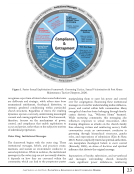
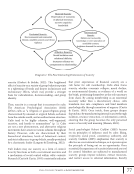
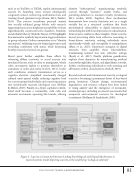
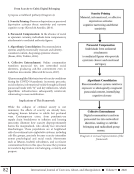
By utilizing the SINCERE model, the clinician was
able to identify and address forms of abuse specific
to Jordan’s identity, deliver trauma-informed and
culturally responsive care, and help Jordan rebuild
their sense of agency and relational trust. The clinician
also worked to advocate for broader systemic change
while supporting Jordan’s individual healing journey.
As a result, Jordan experienced enhanced emotional
regulation, better sleep, and a renewed sense of purpose.
They expressed gratitude for having a therapeutic
relationship that allowed them to feel understood
without the need to justify their existence.
Conclusion
Although there is currently limited TGD survivor-
violence. When offering psychoeducation to Jordan,
the clinician frames it as a shared exploration and
reinforces bilateral communication and idea sharing.
By providing information in an affirming manner,
the clinician creates relational safety and ensures
Jordan feels empowered rather than pathologized.
Additionally, the clinician strengthens the therapeutic
alliance by emphasizing that sharing knowledge is a
mutual, collaborative act.
Nuance
The clinician avoids assumptions about Jordan’s gender
journey or trauma responses. They explore how Jordan’s
creative identity intersects with their healing process
and how cultural and familial dynamics shape their
help-seeking behaviors. The clinician uses open-ended,
affirming language and avoids pathologizing Jordan’s
coping strategies, instead exploring them as adaptive
responses to chronic invalidation. By respecting the
relational complexity of Jordan’s unique narrative,
the clinician cultivates relational safety, signaling that
their identity and coping strategies are honored. This
nuanced approach strengthens the therapeutic alliance
by demonstrating genuine curiosity and respect for
Jordan’s lived experience.
Continuing Education &Advocacy
The clinician attends a local SAIGE training on
T-IPV and joins a coalition advocating for inclusive
shelter policies. They also consult with a local trans-
led organization to ensure their referral list is up-to-
date and affirming. In session, they empower Jordan
to explore advocacy as a potential source of meaning-
making and reconnection. By engaging in advocacy
beyond the therapy room, the clinician communicates
relational safety—Jordan sees their counselor as an
ally in dismantling systemic barriers. Furthermore,
exploring advocacy together in sessions strengthens the
alliance, as Jordan experiences the clinician’s support
at both micro and macro levels.
Resources
The clinician connects Jordan with a trans-affirming
legal advocate to assist with name and gender marker
updates, refers them to a sliding-scale support group
for transgender and gender diverse individuals, and
coordinates care with a trauma-informed primary care
provider to facilitate access to hormones. Additionally,
the clinician helps Jordan access a local housing
initiative that supports LGBTQIA+ youth and adults.
Together, they co-create a personalized safety plan
that addresses digital privacy, emergency contacts,
and grounding strategies to promote Jordan’s overall
well-being and security. By collaboratively identifying
resources and co-creating a plan, the clinician reinforces
relational safety and guarantees Jordan feels supported
rather than directed. In this way, the clinician ensures
that resource seeking and stabilization are a client-led
effort.
Establishing
The clinician places a strong emphasis on relational
safety by explicitly affirming Jordan’s identity in both
language and documentation, collaborating with Jordan
to set boundaries and determine the pace of therapy,
and approaching any ruptures in the therapeutic
relationship with transparency and humility. The
therapeutic alliance becomes the secure base from
which Jordan can explore resilience, creativity, and
strategies of reconnection. Together, they co-create a
therapeutic environment where Jordan feels truly seen,
heard, and empowered. As the process unfolds, Jordan
gradually reconnects with their creative pursuits,
rebuilds social relationships, and explores personal
narratives of resilience and self-trust.
Reflections and Outcomes
By utilizing the SINCERE model, the clinician was
able to identify and address forms of abuse specific
to Jordan’s identity, deliver trauma-informed and
culturally responsive care, and help Jordan rebuild
their sense of agency and relational trust. The clinician
also worked to advocate for broader systemic change
while supporting Jordan’s individual healing journey.
As a result, Jordan experienced enhanced emotional
regulation, better sleep, and a renewed sense of purpose.
They expressed gratitude for having a therapeutic
relationship that allowed them to feel understood
without the need to justify their existence.
Conclusion
Although there is currently limited TGD survivor-