International Journal of Coercion, Abuse, and Manipulation Volume 9 2026 30
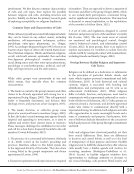
crucial than confronting abuse. This tactic created
“hell anxiety”, compelling victims to reinterpret their
experiences as forgivable moral lapses (Kim &Shaw,
2024).
Personal Threats
In addition to spiritual coercion, pastors employed
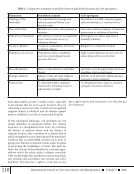
direct personal threats. With 72% of respondents
reporting feeling unsafe, 57% experienced ongoing
pursuit following the misconduct, and 33% noted
their pastor made threats of suicide. One respondent
recalled that the pastor threatened to take his life if she
spoke out, warning that his children would lose their
father. Another individual received images from the
pastor that showed scars on his wrist, evidence of a
past suicide attempt after his wife discovered an affair.
Threats of self-harm represent a deeply manipulative
tactic used to instil guilt, fear, and compliance
(Fitzpatrick et al., 2022). By exploiting concerns about
his well-being, eternal salvation, and the stability of
the faith community, the pastor shifts responsibility
onto the victim. In patriarchal settings, where women
are socialised to prioritise others’ emotional needs
over their own (Kim &Shaw, 2018 Taylor, 2020), this
creates an intense burden of care, further isolating
victims and discouraging them from seeking help.
Minimisation and Justification
Perpetrators also downplayed or excused their actions,
with 61% of victims reporting that their abuse was
minimised and 48% stating the pastor justified it by
referencing their own emotional or spiritual struggles.
One respondent recalled the pastor saying:
It was just a weak moment of my flesh, and
as a good Christian, I should forgive and move
on.
Additionally, 43% of victims were told the abuse was
an expression of love, with many manipulated into
believing they shared a mutual romantic relationship.
Grooming relies on fostering feelings of love, value, and
specialness (Sinnamon, 2017), which keeps victims
emotionally attached and under the pastor’s control
(Kennedy, 2009). One respondent reflected:
At the time, I thought he genuinely loved me. It
wasn’t until later that I realised it was all a lie.
This manipulation represents a particularly deceitful
form of spiritual, psychological and romantic
exploitation, in which pastors exploit religious
teachings that indoctrinate women to equate love
with service, submission, and emotional caretaking,
ideals reinforced as spiritual virtues within many
faith communities (Gallagher, 2003 Gardner, 2021
Kennedy, 2009). By manipulating these socially and
theologically sanctioned ideals, pastors turn compassion
and trust into tools of control, reinforcing dependence
while disguising coercion as affection. Such gender-
targeted deception reveals the deep betrayal and moral
injury that occur when spiritual authority is misused to
distort both love and faith (Freyd, 1996 Mesher, 2021
Simpson, 2025). Furthermore, 30% reported that the
abuse was justified through spiritual authority, while
22% were told it was merely a sexual sin. These strategies
not only distort the victim’s reality through gaslighting
(Stark, 2007) but also sustain a culture of silence that
shields the perpetrator and weakens accountability.
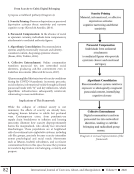
Together, these interconnected tactics—spiritual
threats, personal intimidation, suicide threats, and
minimisation—illustrate a complex system of coercive
control that intensifies victim trauma and perpetuates
systemic abuse within faith communities.
Denial, Attack, and Reversal of Victim and Offender
(DARVO)
Freyd (1997) identified a consistent pattern among
sex offenders—termed DARVO (Deny, Attack, and
Reverse Victim and Offender)—which is also evident
in perpetrators of intimate partner violence (Scott &
Straus, 2007). Consistent with these findings, this study
revealed that pastors frequently employed DARVO
tactics to evade responsibility and discredit victims. For
example, 59% of respondents reported that the pastor
outright denied any sexual misconduct, with 37%
noting that he downplayed his actions by portraying
himself solely as a mentor, effectively gaslighting the
victim and undermining her grasp on reality (Stark,
2007).
In the “attack” phase, 43% of respondents indicated that
the pastor blamed them for tempting him, while 44%
were accused of being “crazy” or mentally unstable.
One respondent recounted being told:
crucial than confronting abuse. This tactic created
“hell anxiety”, compelling victims to reinterpret their
experiences as forgivable moral lapses (Kim &Shaw,
2024).
Personal Threats
In addition to spiritual coercion, pastors employed
direct personal threats. With 72% of respondents
reporting feeling unsafe, 57% experienced ongoing
pursuit following the misconduct, and 33% noted
their pastor made threats of suicide. One respondent
recalled that the pastor threatened to take his life if she
spoke out, warning that his children would lose their
father. Another individual received images from the
pastor that showed scars on his wrist, evidence of a
past suicide attempt after his wife discovered an affair.
Threats of self-harm represent a deeply manipulative
tactic used to instil guilt, fear, and compliance
(Fitzpatrick et al., 2022). By exploiting concerns about
his well-being, eternal salvation, and the stability of
the faith community, the pastor shifts responsibility
onto the victim. In patriarchal settings, where women
are socialised to prioritise others’ emotional needs
over their own (Kim &Shaw, 2018 Taylor, 2020), this
creates an intense burden of care, further isolating
victims and discouraging them from seeking help.
Minimisation and Justification
Perpetrators also downplayed or excused their actions,
with 61% of victims reporting that their abuse was
minimised and 48% stating the pastor justified it by
referencing their own emotional or spiritual struggles.
One respondent recalled the pastor saying:
It was just a weak moment of my flesh, and
as a good Christian, I should forgive and move
on.
Additionally, 43% of victims were told the abuse was
an expression of love, with many manipulated into
believing they shared a mutual romantic relationship.
Grooming relies on fostering feelings of love, value, and
specialness (Sinnamon, 2017), which keeps victims
emotionally attached and under the pastor’s control
(Kennedy, 2009). One respondent reflected:
At the time, I thought he genuinely loved me. It
wasn’t until later that I realised it was all a lie.
This manipulation represents a particularly deceitful
form of spiritual, psychological and romantic
exploitation, in which pastors exploit religious
teachings that indoctrinate women to equate love
with service, submission, and emotional caretaking,
ideals reinforced as spiritual virtues within many
faith communities (Gallagher, 2003 Gardner, 2021
Kennedy, 2009). By manipulating these socially and
theologically sanctioned ideals, pastors turn compassion
and trust into tools of control, reinforcing dependence
while disguising coercion as affection. Such gender-
targeted deception reveals the deep betrayal and moral
injury that occur when spiritual authority is misused to
distort both love and faith (Freyd, 1996 Mesher, 2021
Simpson, 2025). Furthermore, 30% reported that the
abuse was justified through spiritual authority, while
22% were told it was merely a sexual sin. These strategies
not only distort the victim’s reality through gaslighting
(Stark, 2007) but also sustain a culture of silence that
shields the perpetrator and weakens accountability.
Together, these interconnected tactics—spiritual
threats, personal intimidation, suicide threats, and
minimisation—illustrate a complex system of coercive
control that intensifies victim trauma and perpetuates
systemic abuse within faith communities.
Denial, Attack, and Reversal of Victim and Offender
(DARVO)
Freyd (1997) identified a consistent pattern among
sex offenders—termed DARVO (Deny, Attack, and
Reverse Victim and Offender)—which is also evident
in perpetrators of intimate partner violence (Scott &
Straus, 2007). Consistent with these findings, this study
revealed that pastors frequently employed DARVO
tactics to evade responsibility and discredit victims. For
example, 59% of respondents reported that the pastor
outright denied any sexual misconduct, with 37%
noting that he downplayed his actions by portraying
himself solely as a mentor, effectively gaslighting the
victim and undermining her grasp on reality (Stark,
2007).
In the “attack” phase, 43% of respondents indicated that
the pastor blamed them for tempting him, while 44%
were accused of being “crazy” or mentally unstable.
One respondent recounted being told: