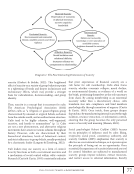
47
Kate Amber and Roderick Dubrow-Marshall |An Investigation into the Efficacy of the PsychoSocial Quicksand Model™
joining in, by colluding...and then...people are further
victimized and abused, because these people have
believed the perpetrator in the first place.”
Particularly interesting research findings included
controversy in two areas: coercive controller’s
intentionality and treatability. In feminist literature,
IPV is framed primarily as male violence against
females, is intentional, and exists within inequitable
systems that prioritize male power (Bancroft, 2002
Dobash &Dobash, 2004 Hill, 2020 Meier &Dickson,
2017 Stark, 2007). However, P2 is not convinced.
Although P2 agrees that her father operates from
patriarchal beliefs, she sees his use of coercive control
as self-denial, rather than a conscious abuse of male
privilege. She said, “I think there are some coercive
controllers who know...they’re cultivating this persona.
My dad 100% believes his.”
Some participants believe that “hurt people hurt people.”
This trauma-focused lens tends to prioritize healing
abusers, rather than holding them accountable, and is
reflected by the proliferation of batterer intervention
programs (BIPPS), which consider coercive
controllers in need of mental health services. Recent
studies “indicate that PDs [personality disorders] were
significantly and positively related to IPV perpetration”
(Collison &Lynam, 2021). Clinicians like Brown
and Young (2018) and Simon (1996) define coercive
controllers based on PD traits. Some professionals do
claim to effectively treat PDs (Amen Clinics, 2021
Dingfelder, 2004 Lester, 2022). However, if we view
coercive control as employed by people with PDs,
which are, by definition, “permanent and pervasive,”
using BIPPS to “heal” these people is a fool’s errand
(Brown &Young, 2018). Indeed, BIPPS’s success rates
are low (Silverman &Ritchie, 2012 Goldstein, 2014),
and genuine change is rare (Bancroft, 2002).
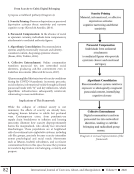
Effective coercive control models, like the PSQM,
take a nuanced approach that incorporates seemingly
contradictory viewpoints and promotes coercive
controller accountability, regardless of intent. P2 agreed
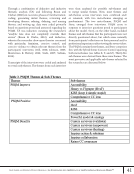
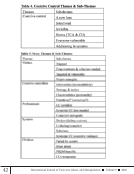
with this statement, in all four Coercive Controllers
subthemes: “I wouldn’t want to take any blame away
from him. He is totally responsible for his behavior.
Don’t get me wrong.”
P9 quotes Rachel Denhollander (Cohen &Shenk,
2020), revealing the important sub-theme (appropriate)
Blame, exemplified by the PSQM, and backed by
research (Karakurt, Smith &Whiting, 2014 Langone,
1993 Meyers, 2015 Peck, 2020): “Truly sorry abusers
do not use their apologies as an excuse to escape human
justice or make demands of their victims. Truly sorry
people acknowledge the harm thEy have done and the
rightness of punishment.”
DARVO, the strategy of reversing blame from coercive
controller to victim, is a favorite aspect of the PSQM
for many participants (Freyd, 1997). P2 discusses how
easily the organization was manipulated by the coercive
controller, resulting in an attack on her credibility:
“People are just like,...‘Yeah, but all of the words against
you are really damaging.’” The research calls this type
of DARVO a “pernicious form” of institutional betrayal
(Smith &Freyd, 2014).
Victims commonly blame themselves when targeted
by DARVO (Harsey, Zurbriggen &Freyd, 2017
Karakurt, Smith &Whiting, 2014). P8 exemplifies this
in the subtheme of Blame: “So, I was clueless. For most
of these thirty years, I was clueless...‘Oh, it’s all me. I’m
terrible. I’m a terrible wife. I’m a horrible mother.’”
DARVO is a frequent accountability-avoidance strategy
(Freyd, 1997) and is easily employed against children
with undeveloped or underdeveloped critical thinking
skills (Katz, 2022), as P9 states, also in the subtheme
Blame, “And one time I spoke out as a child, that adult
went back to my dad and said ‘P9 is complaining about
you’...and I got punished.”
Weaponize and Failed by System are two significant
sub-themes of Children uncovered by research
interviews. P10 discusses these sub-themes, which also
indicate SCC, “Addressing the system, how the system
fails, and turns their back on the victim. Yeah! And
children involved, you know, when children get used.”
Research shows bias against mothers is widespread,
and perpetrators of coercive control often raise
parental alienation claims to DARVO family courts
into punishing mothers for alleging abuse (Bancroft,
2002 Bancroft, Silverman &Ritchie, 2012 Goldstein,
2014 Meier &Dickson, 2017). “Unproven constructs
and instruments not meeting the criteria of reliability
and validity” (Berman &Weisinger, 2022, p.1) in
family court worldwide often lead to dangerous custody
Kate Amber and Roderick Dubrow-Marshall |An Investigation into the Efficacy of the PsychoSocial Quicksand Model™
joining in, by colluding...and then...people are further
victimized and abused, because these people have
believed the perpetrator in the first place.”
Particularly interesting research findings included
controversy in two areas: coercive controller’s
intentionality and treatability. In feminist literature,
IPV is framed primarily as male violence against
females, is intentional, and exists within inequitable
systems that prioritize male power (Bancroft, 2002
Dobash &Dobash, 2004 Hill, 2020 Meier &Dickson,
2017 Stark, 2007). However, P2 is not convinced.
Although P2 agrees that her father operates from
patriarchal beliefs, she sees his use of coercive control
as self-denial, rather than a conscious abuse of male
privilege. She said, “I think there are some coercive
controllers who know...they’re cultivating this persona.
My dad 100% believes his.”
Some participants believe that “hurt people hurt people.”
This trauma-focused lens tends to prioritize healing
abusers, rather than holding them accountable, and is
reflected by the proliferation of batterer intervention
programs (BIPPS), which consider coercive
controllers in need of mental health services. Recent
studies “indicate that PDs [personality disorders] were
significantly and positively related to IPV perpetration”
(Collison &Lynam, 2021). Clinicians like Brown
and Young (2018) and Simon (1996) define coercive
controllers based on PD traits. Some professionals do
claim to effectively treat PDs (Amen Clinics, 2021
Dingfelder, 2004 Lester, 2022). However, if we view
coercive control as employed by people with PDs,
which are, by definition, “permanent and pervasive,”
using BIPPS to “heal” these people is a fool’s errand
(Brown &Young, 2018). Indeed, BIPPS’s success rates
are low (Silverman &Ritchie, 2012 Goldstein, 2014),
and genuine change is rare (Bancroft, 2002).
Effective coercive control models, like the PSQM,
take a nuanced approach that incorporates seemingly
contradictory viewpoints and promotes coercive
controller accountability, regardless of intent. P2 agreed
with this statement, in all four Coercive Controllers
subthemes: “I wouldn’t want to take any blame away
from him. He is totally responsible for his behavior.
Don’t get me wrong.”
P9 quotes Rachel Denhollander (Cohen &Shenk,
2020), revealing the important sub-theme (appropriate)
Blame, exemplified by the PSQM, and backed by
research (Karakurt, Smith &Whiting, 2014 Langone,
1993 Meyers, 2015 Peck, 2020): “Truly sorry abusers
do not use their apologies as an excuse to escape human
justice or make demands of their victims. Truly sorry
people acknowledge the harm thEy have done and the
rightness of punishment.”
DARVO, the strategy of reversing blame from coercive
controller to victim, is a favorite aspect of the PSQM
for many participants (Freyd, 1997). P2 discusses how
easily the organization was manipulated by the coercive
controller, resulting in an attack on her credibility:
“People are just like,...‘Yeah, but all of the words against
you are really damaging.’” The research calls this type
of DARVO a “pernicious form” of institutional betrayal
(Smith &Freyd, 2014).
Victims commonly blame themselves when targeted
by DARVO (Harsey, Zurbriggen &Freyd, 2017
Karakurt, Smith &Whiting, 2014). P8 exemplifies this
in the subtheme of Blame: “So, I was clueless. For most
of these thirty years, I was clueless...‘Oh, it’s all me. I’m
terrible. I’m a terrible wife. I’m a horrible mother.’”
DARVO is a frequent accountability-avoidance strategy
(Freyd, 1997) and is easily employed against children
with undeveloped or underdeveloped critical thinking
skills (Katz, 2022), as P9 states, also in the subtheme
Blame, “And one time I spoke out as a child, that adult
went back to my dad and said ‘P9 is complaining about
you’...and I got punished.”
Weaponize and Failed by System are two significant
sub-themes of Children uncovered by research
interviews. P10 discusses these sub-themes, which also
indicate SCC, “Addressing the system, how the system
fails, and turns their back on the victim. Yeah! And
children involved, you know, when children get used.”
Research shows bias against mothers is widespread,
and perpetrators of coercive control often raise
parental alienation claims to DARVO family courts
into punishing mothers for alleging abuse (Bancroft,
2002 Bancroft, Silverman &Ritchie, 2012 Goldstein,
2014 Meier &Dickson, 2017). “Unproven constructs
and instruments not meeting the criteria of reliability
and validity” (Berman &Weisinger, 2022, p.1) in
family court worldwide often lead to dangerous custody