71
Elizabeth Franken and Wind Goodfriend |Jim Jones
including false “faith healings” of ailments like
paralysis and blindness, seemingly chosen to mimic
Biblical stories (Scheeres, 2011). For both tactics,
Jones used undercover observation and established
church members as spies and audience plants,
designed to elevate his messianic status. During several
of Jones’s hours-long services, he proclaimed he was
the reincarnation of Vladimir Lenin, Jesus, and God
himself—despite privately admitting to his family that
he was an atheist (Guinn, 2017).
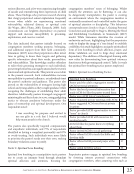
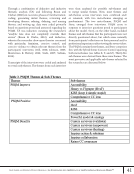
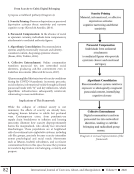
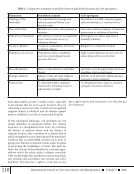
When we asked Stephan Jones if the list of interpersonal
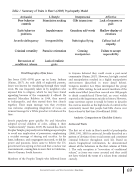
traits listed in Table 1 represented his father, he wrote:
Affective Traits
Finally, affective traits are tied to emotions and refer to
an appearance of lacking remorse, guilt, and empathy
for others (Hare &Neumann, 2008 Marsh, 2013).
Again, based on archival records, Jones’s behaviors
appear to fit: His emotional range seems limited, with
either artificial displays of empathy or none, and little
acceptance of responsibility for his actions. When
anyone expressed doubts about Jones or wished to
leave, they were threatened with death (Layton, 1998).
Two teenagers who tried to escape Jonestown were
caught. Jones promptly ordered them to be choked and
beaten he stood by and, after “watching the display
impassively for a few minutes,” called off the attack
(Scheeres, 2011, p. 112).
For years, Jones engaged in a desperate custody battle
over a child he likely fathered out of wedlock with one
of his congregants when he feared losing the child, he
On the surface I think it does, but I believe the
answer to this is more complex than yes or no.
For example, he certainly did show patterns of
manipulation and grandiose self-worth, but I
recall his charm to oftentimes be genuine, from
a deeper place rather than solely based on how
it appeared. His lying usually had a purpose,
so I am not sure it would fit the definition of
“pathological lying.” It was not compulsive in
nature, but calculating. As I saw it, what appeared
as grandiose self-worth was compensation for
profound insecurity that required at least the
appearance of constant adulation to assuage.
kidnapped the boy to Guyana (Guinn, 2017). While this
may at first seem like a display of love for his children,
Jones ordered all his children to die with everyone
else after Leo Ryan’s assassination occurred. Before
that night, life in Guyana was miserable. Jonestown
members were forced to listen to raving speeches
broadcast over speakers all night, put on scant food
rations, deprived of needed medications, and required
to do manual labor in the jungle for hours every day
(Guinn, 2017). Jones subjected them to loyalty tests
and false alarms in which they were told they were
being invaded, leading to constant fear, emotional
fluctuations, and sleep deprivation (Scheeres, 2011).
His ultimate display of affective psychopathy is his
decision to ask everyone in Jonestown to die in
November 1978. While many people agreed and even
rejoiced in this outcome, compliance of others was
ensured by killing the children first, to destroy their
parents’ will to survive (Layton, 1998). Jones himself
avoided the potentially painful death associated with
drinking cyanide by dying from a gunshot wound to
the head (Guinn, 2017).
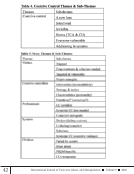
After describing these criteria to Stephan Jones, we
asked if he believed they represented his father’s
personality. He responded:
Conclusion
Based on the archival information available to us
through biographies and memoirs and through our
brief interview with Stephan Jones, we believe that Jim
Jones would receive a relatively high rating on Hare’s
psychopathy checklist. However, this conclusion must
The answer to this is more nuanced. He definitely
failed to accept responsibility for his actions,
but I think he desperately buried his guilt
and/or remorse by abusing drugs and seeking
adulation/approval. My perception was that he
displayed genuine emotion at times, and other
times he feigned it. I recall being able to clearly
see the difference. There were also times that he
tapped into something very real and genuine to
manipulate, oftentimes unconsciously. I think
this was how he gained affirmation, “love,” and
all that humans seek out from interpersonal
relationships, ever since his childhood when
he spent much of his time fending for himself.
Elizabeth Franken and Wind Goodfriend |Jim Jones
including false “faith healings” of ailments like
paralysis and blindness, seemingly chosen to mimic
Biblical stories (Scheeres, 2011). For both tactics,
Jones used undercover observation and established
church members as spies and audience plants,
designed to elevate his messianic status. During several
of Jones’s hours-long services, he proclaimed he was
the reincarnation of Vladimir Lenin, Jesus, and God
himself—despite privately admitting to his family that
he was an atheist (Guinn, 2017).
When we asked Stephan Jones if the list of interpersonal
traits listed in Table 1 represented his father, he wrote:
Affective Traits
Finally, affective traits are tied to emotions and refer to
an appearance of lacking remorse, guilt, and empathy
for others (Hare &Neumann, 2008 Marsh, 2013).
Again, based on archival records, Jones’s behaviors
appear to fit: His emotional range seems limited, with
either artificial displays of empathy or none, and little
acceptance of responsibility for his actions. When
anyone expressed doubts about Jones or wished to
leave, they were threatened with death (Layton, 1998).
Two teenagers who tried to escape Jonestown were
caught. Jones promptly ordered them to be choked and
beaten he stood by and, after “watching the display
impassively for a few minutes,” called off the attack
(Scheeres, 2011, p. 112).
For years, Jones engaged in a desperate custody battle
over a child he likely fathered out of wedlock with one
of his congregants when he feared losing the child, he
On the surface I think it does, but I believe the
answer to this is more complex than yes or no.
For example, he certainly did show patterns of
manipulation and grandiose self-worth, but I
recall his charm to oftentimes be genuine, from
a deeper place rather than solely based on how
it appeared. His lying usually had a purpose,
so I am not sure it would fit the definition of
“pathological lying.” It was not compulsive in
nature, but calculating. As I saw it, what appeared
as grandiose self-worth was compensation for
profound insecurity that required at least the
appearance of constant adulation to assuage.
kidnapped the boy to Guyana (Guinn, 2017). While this
may at first seem like a display of love for his children,
Jones ordered all his children to die with everyone
else after Leo Ryan’s assassination occurred. Before
that night, life in Guyana was miserable. Jonestown
members were forced to listen to raving speeches
broadcast over speakers all night, put on scant food
rations, deprived of needed medications, and required
to do manual labor in the jungle for hours every day
(Guinn, 2017). Jones subjected them to loyalty tests
and false alarms in which they were told they were
being invaded, leading to constant fear, emotional
fluctuations, and sleep deprivation (Scheeres, 2011).
His ultimate display of affective psychopathy is his
decision to ask everyone in Jonestown to die in
November 1978. While many people agreed and even
rejoiced in this outcome, compliance of others was
ensured by killing the children first, to destroy their
parents’ will to survive (Layton, 1998). Jones himself
avoided the potentially painful death associated with
drinking cyanide by dying from a gunshot wound to
the head (Guinn, 2017).
After describing these criteria to Stephan Jones, we
asked if he believed they represented his father’s
personality. He responded:
Conclusion
Based on the archival information available to us
through biographies and memoirs and through our
brief interview with Stephan Jones, we believe that Jim
Jones would receive a relatively high rating on Hare’s
psychopathy checklist. However, this conclusion must
The answer to this is more nuanced. He definitely
failed to accept responsibility for his actions,
but I think he desperately buried his guilt
and/or remorse by abusing drugs and seeking
adulation/approval. My perception was that he
displayed genuine emotion at times, and other
times he feigned it. I recall being able to clearly
see the difference. There were also times that he
tapped into something very real and genuine to
manipulate, oftentimes unconsciously. I think
this was how he gained affirmation, “love,” and
all that humans seek out from interpersonal
relationships, ever since his childhood when
he spent much of his time fending for himself.