109
Luigi Corvaglia |The Price of Belief
of illustration, the summit with ACRE (Alliance of
Conservatives and Reformists in Europe) in Brussels
in 2018 brought together representatives of the
libertarian world (e.g., Brownback), Scientology, the
IRF, and organizations defending religious freedom
(Faith and Freedom Summit, 2018). Another recent
example is the International Forum for Religious
Freedom 2025, which was also attended by the
Universal Peace Federation (i.e., the Unification
Church) and Scientology (IRF Summit, 2025). The
latter event also featured a sponsored meeting with
Pastor Paula White, Special Advisor to President
Trump, representatives of religious freedom advocacy
organizations, representatives of the Unification
Church, and the libertarian world (the aforementioned
Senator Brownback).
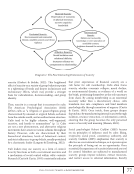
This network works through capillary infiltration in
educational institutions, media, and politics, achieving
ideological influence without confrontation with
dissonant voices. By investing in intellectual capital and
cultivating thought leaders, they secure institutional
footholds that make their actions comparable to a non-
state form of soft power. As Diane Stone (2000) notes,
transnational think tanks and ideologically orientated
foundations act as non-state actors to displace and sort
policies by promoting and propagating sets of rules
across state borders.
The promotion of libertarian ideas in academic and
intellectual circles seems to follow a similar strategic
logic as in STEM career pipelines. Recent research
(Cooper, Binder, &Kidder, 2024) has revealed the
existence of a “pipeline of libertarian ideas” designed to
ensure the survival and spread of politically marginal
ideas such as libertarianism in ideologically hostile
environments such as American universities, which
are seen as places in the hands of a progressive elite.
Organizations such as the Institute for Humane Studies
(IHS), the Mercatus Centre, and the Koch Foundation
intervene as early as high school by selecting, training,
and supporting young scholars through seminars,
scholarships, tutoring, and internships. A useful
precedent for understanding the current strategy
behind the libertarian defense of cults is what Steven
Teles (2008) describes as the “Olin Model”: the
deliberate attempt by the Olin Foundation to reshape
American legal education by promoting the Law and
Economics movement. This work included training
a new generation of professors and judges inclined
towards economic rationality and deregulation (again
through libertarian foundations such as the Federalist
Society) and building “reputation networks” to ensure
credibility and access to career opportunities.
This model is useful for understanding strategies of
cultural influence, which are no stranger to the current
of thought that sees any criticism of religious movements
as an attack on the sovereignty of the individual and
a vulnus on religious freedom. Not without a certain
surprise, the author of this article found it remarkably
difficult, in his own country, to come across scholars
of religion who had not, in one way or another, passed
through the halls (or corridors) of CESNUR, which
happens to be headquartered here.
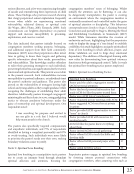
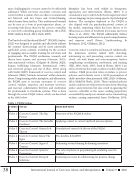
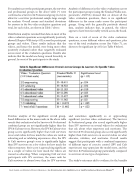
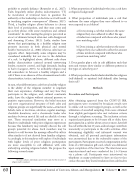
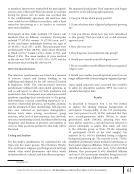
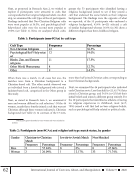
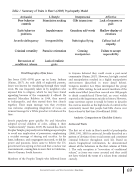
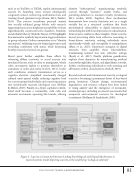
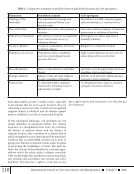
See Table 1 (p. 8).
Conclusion
This ideology naturally integrates the assumptions of
Religious Economy Theory: religious consumers are
rational actors, markets work better with deregulation,
and traditional values can be better preserved through
competition. It is not surprising that this view is often
mentioned in paleolibertarian circles (Bower, 2025
Caplan, 2007 Iannaccone, 1991, 1997 Woods, 2005).
In this context, religious deregulation and the defense of
spiritual minorities are not only an ideological position
but a means of cultural influence. This strategy is
particularly effective because it appeals simultaneously
to secular libertarianism, which sees this strategy as
a defense of civil rights, and religious conservatism,
which better understands its practical implications.
Paleolibertarianism is the ideological foundation, the
defense of cults is the active tool, and cultural influence
is its strategic method. The aim is to make a coordinated
push to delegitimize legal frameworks that attempt to
protect people from spiritual abuse under the guise
of defending religious rights and civil liberties. In
this sense, the defense of cults functions as a form of
“normative power” that is not limited to the promotion
of freedom of belief but actively seeks to reshape the
normative standards by which spiritual practices are
judged. In doing so, they do not protect the “good”
spiritual minorities from vicious discrimination but
rather create a “night when all cows are black” and,
Luigi Corvaglia |The Price of Belief
of illustration, the summit with ACRE (Alliance of
Conservatives and Reformists in Europe) in Brussels
in 2018 brought together representatives of the
libertarian world (e.g., Brownback), Scientology, the
IRF, and organizations defending religious freedom
(Faith and Freedom Summit, 2018). Another recent
example is the International Forum for Religious
Freedom 2025, which was also attended by the
Universal Peace Federation (i.e., the Unification
Church) and Scientology (IRF Summit, 2025). The
latter event also featured a sponsored meeting with
Pastor Paula White, Special Advisor to President
Trump, representatives of religious freedom advocacy
organizations, representatives of the Unification
Church, and the libertarian world (the aforementioned
Senator Brownback).
This network works through capillary infiltration in
educational institutions, media, and politics, achieving
ideological influence without confrontation with
dissonant voices. By investing in intellectual capital and
cultivating thought leaders, they secure institutional
footholds that make their actions comparable to a non-
state form of soft power. As Diane Stone (2000) notes,
transnational think tanks and ideologically orientated
foundations act as non-state actors to displace and sort
policies by promoting and propagating sets of rules
across state borders.
The promotion of libertarian ideas in academic and
intellectual circles seems to follow a similar strategic
logic as in STEM career pipelines. Recent research
(Cooper, Binder, &Kidder, 2024) has revealed the
existence of a “pipeline of libertarian ideas” designed to
ensure the survival and spread of politically marginal
ideas such as libertarianism in ideologically hostile
environments such as American universities, which
are seen as places in the hands of a progressive elite.
Organizations such as the Institute for Humane Studies
(IHS), the Mercatus Centre, and the Koch Foundation
intervene as early as high school by selecting, training,
and supporting young scholars through seminars,
scholarships, tutoring, and internships. A useful
precedent for understanding the current strategy
behind the libertarian defense of cults is what Steven
Teles (2008) describes as the “Olin Model”: the
deliberate attempt by the Olin Foundation to reshape
American legal education by promoting the Law and
Economics movement. This work included training
a new generation of professors and judges inclined
towards economic rationality and deregulation (again
through libertarian foundations such as the Federalist
Society) and building “reputation networks” to ensure
credibility and access to career opportunities.
This model is useful for understanding strategies of
cultural influence, which are no stranger to the current
of thought that sees any criticism of religious movements
as an attack on the sovereignty of the individual and
a vulnus on religious freedom. Not without a certain
surprise, the author of this article found it remarkably
difficult, in his own country, to come across scholars
of religion who had not, in one way or another, passed
through the halls (or corridors) of CESNUR, which
happens to be headquartered here.
See Table 1 (p. 8).
Conclusion
This ideology naturally integrates the assumptions of
Religious Economy Theory: religious consumers are
rational actors, markets work better with deregulation,
and traditional values can be better preserved through
competition. It is not surprising that this view is often
mentioned in paleolibertarian circles (Bower, 2025
Caplan, 2007 Iannaccone, 1991, 1997 Woods, 2005).
In this context, religious deregulation and the defense of
spiritual minorities are not only an ideological position
but a means of cultural influence. This strategy is
particularly effective because it appeals simultaneously
to secular libertarianism, which sees this strategy as
a defense of civil rights, and religious conservatism,
which better understands its practical implications.
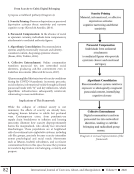
Paleolibertarianism is the ideological foundation, the
defense of cults is the active tool, and cultural influence
is its strategic method. The aim is to make a coordinated
push to delegitimize legal frameworks that attempt to
protect people from spiritual abuse under the guise
of defending religious rights and civil liberties. In
this sense, the defense of cults functions as a form of
“normative power” that is not limited to the promotion
of freedom of belief but actively seeks to reshape the
normative standards by which spiritual practices are
judged. In doing so, they do not protect the “good”
spiritual minorities from vicious discrimination but
rather create a “night when all cows are black” and,