29
Jaime Simpson and Jodi Death |Pastor Sexual Exploitation of Adult Congregation Members
contact sexual abuse. These accounts highlight that
early recognition of sexual harassment may, in some
circumstances, disrupt further escalation. Importantly,
this finding points to the preventative value of
increasing awareness within faith communities of the
early indicators of sexually exploitative, coercive, and
harassing behaviours by clergy.
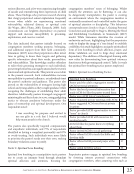
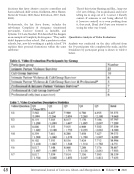
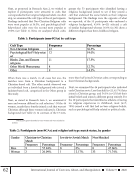
The data on contact sexual abuse and assault reveal a
troubling pattern of serious violations. A majority of
respondents (71%) experienced unwanted physical
contact, such as fondling or kissing in intimate areas,
while 59% reported being subjected to degrading or
humiliating sexual acts. Nearly half (46%) had their
clothing removed, and 44% encountered invasive acts
involving the insertion of a penis, fingers, or objects.
Furthermore, 32% were subjected to oral sex, either
performed on them or by them, and about one-quarter
received explicit images or were asked to send such
images. Notably, 19% reported being sexually assaulted
while intoxicated and unable to resist the abuse.
Collectively, these findings highlight the complex and
severe nature of the sexual abuse experiences reported
by the study sample.
Some respondents described the deep confusion they
experienced when trying to interpret the pastor’s sexual
attention. One respondent remarked:
I am unsure about the welcome and unwelcome
advances both were true. I felt special but
didn’t think it would ever turn sexual. I just
felt loved like a daughter or sister. I didn’t want
it to be romantic that was never something I
ever would have imagined would have resulted.
These reflections highlight the deceptive nature of
sexual exploitation, where emotional and spiritual
grooming distort perceptions of choice and consent.
Abused adults may misinterpret the pastor’s escalating
attention as care or affirmation, shaped by gendered
expectations, pastoral authority, and religious ideals
of purity and submission (Flynn, 2003 Kennedy,
2009). Such dynamics blur moral and relational
boundaries, constructing an illusion of mutuality
within a fundamentally coercive context. The resulting
ambiguity should not be interpreted as complicity, but
rather as evidence of coercive manipulation and the
erosion of autonomous decision-making produced
through spiritual and psychological grooming.
The normalisation of such behaviour by clergy
further entrenches these harmful patterns, making
it challenging for victims to recognise and resist
exploitation (Kennedy, 2009). Overall, the findings
on sexual victimisation emphasise the multifaceted
nature of sexual harassment and abuse in these
contexts, showcasing both overt and covert tactics
that contribute to a coercive environment. Various
behavioural patterns exhibited by pastors should be
seen as crucial warning signs in the grooming process.
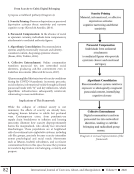
Post-Abuse Maintenance Tactics
Following the sexual violation, respondents described
tactics designed to suppress disclosure and preserve
the pastor’s reputation. These tactics align with Stage
7, Controlling the Victim, in Sinnamon’s (2017)
model, where perpetrators sustain dominance through
mechanisms of secrecy, guilt, and threat to ensure
continued silence. These tactics used by pastors
resemble those observed in post-separation abuse in
intimate relationships, where coercive control asserts
dominance and leaves victims feeling powerless (Stark
&Hester, 2019). Oakley and Humphreys (2019) note
that fear of exclusion, judgment, and rejection often
drives individuals to stay within these systems or
remain silent about the ongoing control. This fear of
social ostracism further isolates victims, making it
harder to seek help or regain autonomy. Recognising
these dynamics is crucial for faith communities to offer
better support and dismantle the institutional messages
and structures that facilitate abuse.
Spiritual Threats
Spiritual threats were employed to silence victims by
leveraging the authority of scripture (52%) and the
fear of eternal damnation. Respondents indicated
that pastors threatened ostracism (29%) and insisted
on continued church attendance (25%), while also
pressuring victims to forgive (32%), which reinforced
secrecy and isolation. For instance, one respondent
detailed how the pastor weaponised biblical texts,
citing passages, such as Romans 3:23 (“For all have
sinned and fallen short of the glory of God”) and 1
Corinthians 3:17 (“If anyone destroys God’s temple,
God will destroy him”), to stress that maintaining
the church and saving souls for eternal life was more
Jaime Simpson and Jodi Death |Pastor Sexual Exploitation of Adult Congregation Members
contact sexual abuse. These accounts highlight that
early recognition of sexual harassment may, in some
circumstances, disrupt further escalation. Importantly,
this finding points to the preventative value of
increasing awareness within faith communities of the
early indicators of sexually exploitative, coercive, and
harassing behaviours by clergy.
The data on contact sexual abuse and assault reveal a
troubling pattern of serious violations. A majority of
respondents (71%) experienced unwanted physical
contact, such as fondling or kissing in intimate areas,
while 59% reported being subjected to degrading or
humiliating sexual acts. Nearly half (46%) had their
clothing removed, and 44% encountered invasive acts
involving the insertion of a penis, fingers, or objects.
Furthermore, 32% were subjected to oral sex, either
performed on them or by them, and about one-quarter
received explicit images or were asked to send such
images. Notably, 19% reported being sexually assaulted
while intoxicated and unable to resist the abuse.
Collectively, these findings highlight the complex and
severe nature of the sexual abuse experiences reported
by the study sample.
Some respondents described the deep confusion they
experienced when trying to interpret the pastor’s sexual
attention. One respondent remarked:
I am unsure about the welcome and unwelcome
advances both were true. I felt special but
didn’t think it would ever turn sexual. I just
felt loved like a daughter or sister. I didn’t want
it to be romantic that was never something I
ever would have imagined would have resulted.
These reflections highlight the deceptive nature of
sexual exploitation, where emotional and spiritual
grooming distort perceptions of choice and consent.
Abused adults may misinterpret the pastor’s escalating
attention as care or affirmation, shaped by gendered
expectations, pastoral authority, and religious ideals
of purity and submission (Flynn, 2003 Kennedy,
2009). Such dynamics blur moral and relational
boundaries, constructing an illusion of mutuality
within a fundamentally coercive context. The resulting
ambiguity should not be interpreted as complicity, but
rather as evidence of coercive manipulation and the
erosion of autonomous decision-making produced
through spiritual and psychological grooming.
The normalisation of such behaviour by clergy
further entrenches these harmful patterns, making
it challenging for victims to recognise and resist
exploitation (Kennedy, 2009). Overall, the findings
on sexual victimisation emphasise the multifaceted
nature of sexual harassment and abuse in these
contexts, showcasing both overt and covert tactics
that contribute to a coercive environment. Various
behavioural patterns exhibited by pastors should be
seen as crucial warning signs in the grooming process.
Post-Abuse Maintenance Tactics
Following the sexual violation, respondents described
tactics designed to suppress disclosure and preserve
the pastor’s reputation. These tactics align with Stage
7, Controlling the Victim, in Sinnamon’s (2017)
model, where perpetrators sustain dominance through
mechanisms of secrecy, guilt, and threat to ensure
continued silence. These tactics used by pastors
resemble those observed in post-separation abuse in
intimate relationships, where coercive control asserts
dominance and leaves victims feeling powerless (Stark
&Hester, 2019). Oakley and Humphreys (2019) note
that fear of exclusion, judgment, and rejection often
drives individuals to stay within these systems or
remain silent about the ongoing control. This fear of
social ostracism further isolates victims, making it
harder to seek help or regain autonomy. Recognising
these dynamics is crucial for faith communities to offer
better support and dismantle the institutional messages
and structures that facilitate abuse.
Spiritual Threats
Spiritual threats were employed to silence victims by
leveraging the authority of scripture (52%) and the
fear of eternal damnation. Respondents indicated
that pastors threatened ostracism (29%) and insisted
on continued church attendance (25%), while also
pressuring victims to forgive (32%), which reinforced
secrecy and isolation. For instance, one respondent
detailed how the pastor weaponised biblical texts,
citing passages, such as Romans 3:23 (“For all have
sinned and fallen short of the glory of God”) and 1
Corinthians 3:17 (“If anyone destroys God’s temple,
God will destroy him”), to stress that maintaining
the church and saving souls for eternal life was more