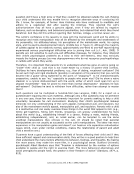
Cultic Studies Journal, Vol. 2 No. 1 1985, Page 99
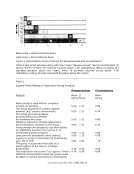
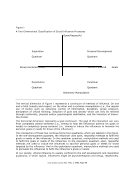
Dissociative exercises
Guilt induction
Deception
Noncontractural behavior shaping
Positive Aspects
Group affiliation
Opportunity to learn skills
Corruption
Escape from Mainstream
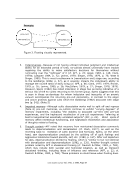
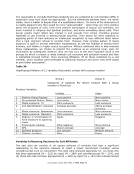
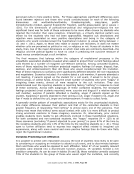
If, for instance, the convert lacks confidence in his capacity to ―make it‖ in the mainstream
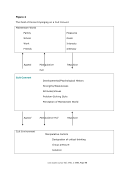
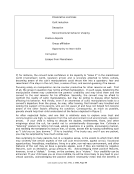
world (mainstream world, repulsion arrow) and is sincerely attached to fellow cultists,
becoming aware of the cult‘s manipulations could thrust him into a quandary: fear and
resentment if he stays in the cult fear, a sense of loss, and second-guessing if he leaves.
Focusing solely on manipulation can be counter productive for other reasons as well. First
of all, the group in question may not be all that manipulative. In such cases, belaboring the
manipulation theme may undermine the parents‘ credibility and may blind them and the
convert to the real reasons for his affiliation. Secondly, the convert may be afraid to
confront the reality of cultic manipulations, but may be willing to discuss other factors
affecting his behavior. And thirdly, even if an awareness of cultic manipulations leads to a
convert‘s departure from the group, he may, after leaving, find himself very troubled and
lacking the support of his parents, who are not aware of and have not helped him become
aware of the other factors affecting his condition. Consequently, as much as possible,
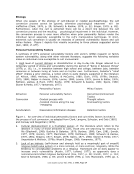
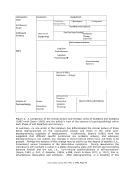
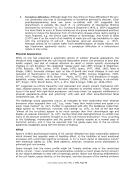
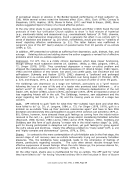
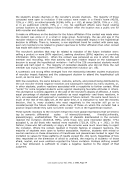
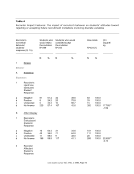
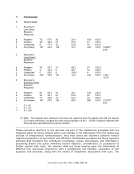
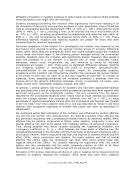
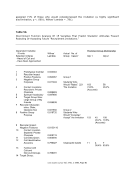
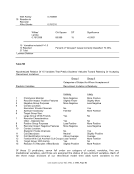
parents should help their child understand all the factors depicted in Figure 2.
An often neglected factor, and one that is relatively easy to explore once trust and
communication are high, is repulsion from the cult environment (cult environment, repulsion
arrow). If your child is willing to discuss his doubts, resentments, fears, and other
misgivings about the cult, be careful not to unintentionally discourage him. Cultivate a
―listening‖ posture by letting him lead, asking questions in a gentle, encouraging manner,
and resisting the temptation to lecture him, or worse, berate him by saying something such
as ―I told you so (you dummy.‖ If he is troubled, if he trusts you, and if you are patient,
you may be surprised by how much comes out.
Also surprising to many parents, but in a negative sense, is the extent to which their child
may sincerely like certain aspects of the cult (cult environment, appeal arrow). Vocational
opportunities, friendships, meditation, living in a calm, non-rat-race environment, and other
features of the cult may all have a genuine appeal, even if they are tainted by negative
features, such as deception, group pressure, etc. Acknowledging these positive features,
however, is not a ―defeat.‖ It may, on the contrary, be a ―victory.‖ Your credibility can be
enhanced. If your child sees you as more credible, he will be more likely to pay heed to your
critical opinions, acknowledging the positive doesn‘t necessarily mean that the benefits in
Dissociative exercises
Guilt induction
Deception
Noncontractural behavior shaping
Positive Aspects
Group affiliation
Opportunity to learn skills
Corruption
Escape from Mainstream
If, for instance, the convert lacks confidence in his capacity to ―make it‖ in the mainstream
world (mainstream world, repulsion arrow) and is sincerely attached to fellow cultists,
becoming aware of the cult‘s manipulations could thrust him into a quandary: fear and
resentment if he stays in the cult fear, a sense of loss, and second-guessing if he leaves.
Focusing solely on manipulation can be counter productive for other reasons as well. First
of all, the group in question may not be all that manipulative. In such cases, belaboring the
manipulation theme may undermine the parents‘ credibility and may blind them and the
convert to the real reasons for his affiliation. Secondly, the convert may be afraid to
confront the reality of cultic manipulations, but may be willing to discuss other factors
affecting his behavior. And thirdly, even if an awareness of cultic manipulations leads to a
convert‘s departure from the group, he may, after leaving, find himself very troubled and
lacking the support of his parents, who are not aware of and have not helped him become
aware of the other factors affecting his condition. Consequently, as much as possible,
parents should help their child understand all the factors depicted in Figure 2.
An often neglected factor, and one that is relatively easy to explore once trust and
communication are high, is repulsion from the cult environment (cult environment, repulsion
arrow). If your child is willing to discuss his doubts, resentments, fears, and other
misgivings about the cult, be careful not to unintentionally discourage him. Cultivate a
―listening‖ posture by letting him lead, asking questions in a gentle, encouraging manner,
and resisting the temptation to lecture him, or worse, berate him by saying something such
as ―I told you so (you dummy.‖ If he is troubled, if he trusts you, and if you are patient,
you may be surprised by how much comes out.
Also surprising to many parents, but in a negative sense, is the extent to which their child
may sincerely like certain aspects of the cult (cult environment, appeal arrow). Vocational
opportunities, friendships, meditation, living in a calm, non-rat-race environment, and other
features of the cult may all have a genuine appeal, even if they are tainted by negative
features, such as deception, group pressure, etc. Acknowledging these positive features,
however, is not a ―defeat.‖ It may, on the contrary, be a ―victory.‖ Your credibility can be
enhanced. If your child sees you as more credible, he will be more likely to pay heed to your
critical opinions, acknowledging the positive doesn‘t necessarily mean that the benefits in