Cultic Studies Journal, Vol. 2 No. 1 1985, Page 74
the student‘s private channels or the recruiter‘s private channels. The majority of those
contacted were open to invitation if the contact were made: in a friend‘s home (42/56,
72%, p .001), on school grounds (42/66, 64%, p .01), at camp (18/24, 75%. p .01),
or in an auditorium (22/30, 73%, p .01). No significant effects were found relating
contact locations to accept/reject future Invitation when the location was a public one for
both recruiter and student.
It made no difference on the decision for the future affiliation if the contact was made when
the student was alone or in a small or large group. Surprisingly, the sex and age of the
recruiter relative to that of the student also has no measurable impact in the hypothetical
decision to affiliate. There is, however, a non-significant trend for contact with same age,
peer cult members to be related to greater openness to further affiliation than when contact
was made with older recruiters.
The recruiter‘s activities that may be related to rejection of the future invitation were:
selling a product or ware (60% rejection), seeking donations (58%) rejection, or providing
information (56% rejection). When the contact was perceived as one in which the cult
member was recruiting, then that activity had most relative impact on the subsequent
decision to accept the hypothetical invitation -half of the 226 uncontacted students would
accept and half reject it. The majority of contacted students who did not think the cult
member was trying to recruit them (59%) rejected the invitation (p .05).
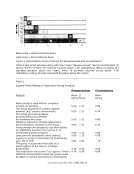
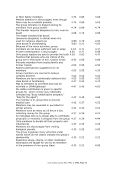
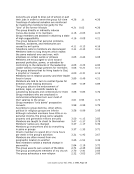
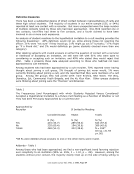
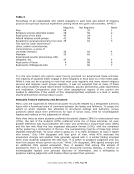
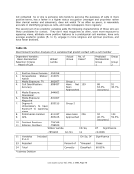
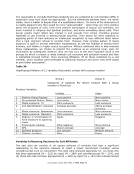
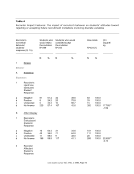
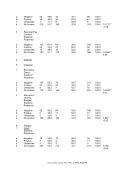
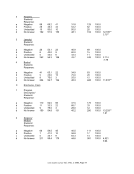
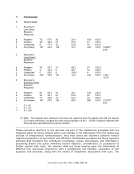
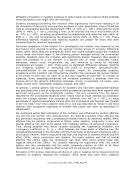
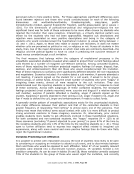
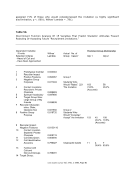
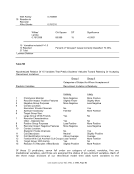
A systematic and strong effect emerged from the relationship between student evaluations
of recruiter impact features and the subsequent decision to attend the hypothetical cult
event, as can be seen in Table 4.
With few exceptions, the same behavior, costume, activity, and product being distributed by
the cult recruiter elicited negative reactions and subsequent rejection by many students, or,
in other students, positive reactions associated with a receptivity to further contact. What
―works‖ for some targeted students works against developing favorable attitudes in others.
This divergence is clearly apparent in the case of the recruiter‘s display of affection. A nearly
equal percentage of students react positively as react negatively--and those reactions, in
turn, are associated with approach or avoidance of future contact. The same result recurs in
much of the rest of this data set. At the same time, it is instructive to note the minority
decision, that is, many students who react negatively to the recruiter still go on to
consider/accept the future invitation, while many of those on whom the recruiter had a
positive impact decide they want no further contact--even in the hypothetical instance.
These specific reactions to the recruiter merge into more global impressions that we tried to
tap by semantic differential scales of interest/disinterest, friendly/unfriendly,
pleasant/angry, unafraid/afraid. The majority of students disinterested in the recruiter
rejected the invitation (218/318, 69%), while those who were interested (48/62, 77%)
accepted it, as did those who reacted more neutrally (72/114, 63% p .001). In like
fashion, those who felt unfriendly or angry at the recruiter were much more likely to reject
the invitation. Where the contact resulted in friendly feelings or pleasant reactions, the
majority of students were open to further association. However, students with mixed or
neutral reactions on these dimensions of friendliness and pleasantness tended to reject the
invitation (p values for these patterns of results exceed the .001 level). Regardless of how
they responded on the dimension of afraid to unafraid, the majority of students--of those
afraid, neutral, and even unafraid--rejected the future invitation. Perhaps defining oneself
on a fear dimension is sufficient to create a negative reaction to the object of that
judgment.
the student‘s private channels or the recruiter‘s private channels. The majority of those
contacted were open to invitation if the contact were made: in a friend‘s home (42/56,
72%, p .001), on school grounds (42/66, 64%, p .01), at camp (18/24, 75%. p .01),
or in an auditorium (22/30, 73%, p .01). No significant effects were found relating
contact locations to accept/reject future Invitation when the location was a public one for
both recruiter and student.
It made no difference on the decision for the future affiliation if the contact was made when
the student was alone or in a small or large group. Surprisingly, the sex and age of the
recruiter relative to that of the student also has no measurable impact in the hypothetical
decision to affiliate. There is, however, a non-significant trend for contact with same age,
peer cult members to be related to greater openness to further affiliation than when contact
was made with older recruiters.
The recruiter‘s activities that may be related to rejection of the future invitation were:
selling a product or ware (60% rejection), seeking donations (58%) rejection, or providing
information (56% rejection). When the contact was perceived as one in which the cult
member was recruiting, then that activity had most relative impact on the subsequent
decision to accept the hypothetical invitation -half of the 226 uncontacted students would
accept and half reject it. The majority of contacted students who did not think the cult
member was trying to recruit them (59%) rejected the invitation (p .05).
A systematic and strong effect emerged from the relationship between student evaluations
of recruiter impact features and the subsequent decision to attend the hypothetical cult
event, as can be seen in Table 4.
With few exceptions, the same behavior, costume, activity, and product being distributed by
the cult recruiter elicited negative reactions and subsequent rejection by many students, or,
in other students, positive reactions associated with a receptivity to further contact. What
―works‖ for some targeted students works against developing favorable attitudes in others.
This divergence is clearly apparent in the case of the recruiter‘s display of affection. A nearly
equal percentage of students react positively as react negatively--and those reactions, in
turn, are associated with approach or avoidance of future contact. The same result recurs in
much of the rest of this data set. At the same time, it is instructive to note the minority
decision, that is, many students who react negatively to the recruiter still go on to
consider/accept the future invitation, while many of those on whom the recruiter had a
positive impact decide they want no further contact--even in the hypothetical instance.
These specific reactions to the recruiter merge into more global impressions that we tried to
tap by semantic differential scales of interest/disinterest, friendly/unfriendly,
pleasant/angry, unafraid/afraid. The majority of students disinterested in the recruiter
rejected the invitation (218/318, 69%), while those who were interested (48/62, 77%)
accepted it, as did those who reacted more neutrally (72/114, 63% p .001). In like
fashion, those who felt unfriendly or angry at the recruiter were much more likely to reject
the invitation. Where the contact resulted in friendly feelings or pleasant reactions, the
majority of students were open to further association. However, students with mixed or
neutral reactions on these dimensions of friendliness and pleasantness tended to reject the
invitation (p values for these patterns of results exceed the .001 level). Regardless of how
they responded on the dimension of afraid to unafraid, the majority of students--of those
afraid, neutral, and even unafraid--rejected the future invitation. Perhaps defining oneself
on a fear dimension is sufficient to create a negative reaction to the object of that
judgment.