Cultic Studies Journal, Vol. 2 No. 1 1985, Page 60
Mediational Processes
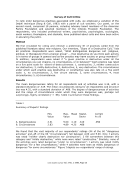
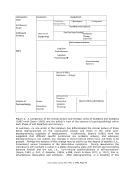
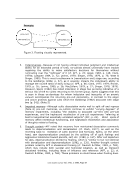
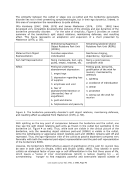
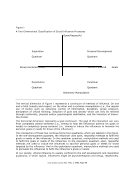
Mediational processes include the cognitive and affective processes that take place during
and subsequent to an exposure to some contact with a recruitment effort. The two main
mental activities in which the subject engages are: (a) cognitive appraisal of the messages
received, evaluation of their source, review of one‘s own position, anticipation of the
consequences of various alternative actions, along with counterarguing against the attitude
position espoused in the influence attempt, and (b) establishment of some degree of
perceived congruence between self and recruiter/group/prototypical member.
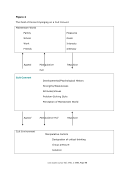
Perceived congruence, in turn, can be analyzed into four sub-categories that contribute to
that global emotional-cognitive connection. In identity matching, the person engages in a
kind of social comparison process of judging the extent and nature of the similarity between
self and given referents. Value satisfaction involves determining how well one‘s personal
values mesh with those of the cult group. At a more emotional level, the person develops
affective bonds to the recruiter, e.g., likes or dislikes, fears or enjoys, is interested or
disinterested in him or her. Empathetic associations combine both feelings and beliefs
(some out of awareness) into a projection of how one might react in the future to various
imagined scenarios involving the recruiter or the group.
Outcome Measures
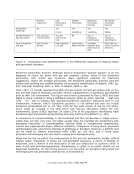
Finally, the consequences of the initial contact are specified by a set of outcome measures.
Is the prospect willing to negotiate for further movement and more developed contact or is
a non-negotiation stance taken? If negotiation, is he or she ready to comply with an
invitation for further affiliation or only to be receptive, ready for further persuasive efforts
before making any commitment? The recruiter must use strategies to ―close the deal‖
effectively, make the invitation, get a commitment, or secure a ―foot-in-the-door‖ for a
subsequent recruitment effort. Or, if there is dissent, rejection, and opposition, the recruit
may engage in strategies for resisting compliance, while the recruiter may make an attempt
to counter these--primarily to defuse vocal opposition that may disrupt or interfere with the
recruiter‘s efforts with other prospects the non-negotiator may try to counterinfluence.
These four aspects of the early phases of the pre-conversion process call attention to the
cognitive, emotional, behavioral, and social psychological dynamics in the recruitment
situation. It is assumed that all four components interact to determine if an individual is
available or selected for contact by a cult recruiter, and also if the persuasive attempts by a
recruiter will be successful In moving the prospect toward the indoctrination and conversion
phases or will end in rejection and possibly even the development of antagonistic
opposition.
Method
Our basic research strategy involved surveying high school students regarding the nature
and extent of their contact with individuals whom they perceived to be recruiters of cults. A
cross-sectional design was used in which data were collected only at one time rather than a
repeated assessment over several time periods. Approvals had to be obtained at state,
county, and individual school levels from a considerable number of administrators,
principals, and teachers. Anonymity of schools and school districts, as well as of all
individual respondents, were guaranteed and many procedural regulations followed.
Sampling Procedures
To insure a reasonable representation of high school youths from this Northern California
region, several different sampling methods were used. First, probability sampling identified
the sampling frame (from the list of all high schools in nine Bay Area counties), allowing
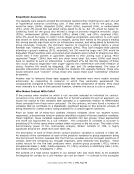
Mediational Processes
Mediational processes include the cognitive and affective processes that take place during
and subsequent to an exposure to some contact with a recruitment effort. The two main
mental activities in which the subject engages are: (a) cognitive appraisal of the messages
received, evaluation of their source, review of one‘s own position, anticipation of the
consequences of various alternative actions, along with counterarguing against the attitude
position espoused in the influence attempt, and (b) establishment of some degree of
perceived congruence between self and recruiter/group/prototypical member.
Perceived congruence, in turn, can be analyzed into four sub-categories that contribute to
that global emotional-cognitive connection. In identity matching, the person engages in a
kind of social comparison process of judging the extent and nature of the similarity between
self and given referents. Value satisfaction involves determining how well one‘s personal
values mesh with those of the cult group. At a more emotional level, the person develops
affective bonds to the recruiter, e.g., likes or dislikes, fears or enjoys, is interested or
disinterested in him or her. Empathetic associations combine both feelings and beliefs
(some out of awareness) into a projection of how one might react in the future to various
imagined scenarios involving the recruiter or the group.
Outcome Measures
Finally, the consequences of the initial contact are specified by a set of outcome measures.
Is the prospect willing to negotiate for further movement and more developed contact or is
a non-negotiation stance taken? If negotiation, is he or she ready to comply with an
invitation for further affiliation or only to be receptive, ready for further persuasive efforts
before making any commitment? The recruiter must use strategies to ―close the deal‖
effectively, make the invitation, get a commitment, or secure a ―foot-in-the-door‖ for a
subsequent recruitment effort. Or, if there is dissent, rejection, and opposition, the recruit
may engage in strategies for resisting compliance, while the recruiter may make an attempt
to counter these--primarily to defuse vocal opposition that may disrupt or interfere with the
recruiter‘s efforts with other prospects the non-negotiator may try to counterinfluence.
These four aspects of the early phases of the pre-conversion process call attention to the
cognitive, emotional, behavioral, and social psychological dynamics in the recruitment
situation. It is assumed that all four components interact to determine if an individual is
available or selected for contact by a cult recruiter, and also if the persuasive attempts by a
recruiter will be successful In moving the prospect toward the indoctrination and conversion
phases or will end in rejection and possibly even the development of antagonistic
opposition.
Method
Our basic research strategy involved surveying high school students regarding the nature
and extent of their contact with individuals whom they perceived to be recruiters of cults. A
cross-sectional design was used in which data were collected only at one time rather than a
repeated assessment over several time periods. Approvals had to be obtained at state,
county, and individual school levels from a considerable number of administrators,
principals, and teachers. Anonymity of schools and school districts, as well as of all
individual respondents, were guaranteed and many procedural regulations followed.
Sampling Procedures
To insure a reasonable representation of high school youths from this Northern California
region, several different sampling methods were used. First, probability sampling identified
the sampling frame (from the list of all high schools in nine Bay Area counties), allowing