Cultic Studies Journal, Vol. 2 No. 1 1985, Page 26
a. Lack of inner direction or purpose (Ego-Ideal)-cf. the literature above regarding‖‗
the search for meaning, as well as that related to a lack of guidance in the family
system of origin
a. Lack of adequate self-control (Superego). The entire ego regression theory of
cult conversion revolves around the notion of the surrendering of ego controls
to the cult because of the cult‘s ―powerful sources of control that compensate
tot the lack of internal control‖ (Schwartz &Kaslow, 1981, p. 14). For Spero
(1982) this surrendering process occurs through the coming together of pre-
cult field-dependent tendencies, superego surfeits and deficits (pp. 333-334
cf. p. 281), and shame proneness (cf. lack of Ego-Ideal) with manipulative
cultic indoctrination techniques that induce dedifferentiation of self-
boundaries (P. 341), i.e., blurred ego boundaries between the convert and
the cult leaders who become idealized (cf. Galanter, 1983a, p. 988). Likewise,
Merritt (in Burtner, 1980, tape 3, side 1) referred to this process as the
superimposing of an alien superego over the ego which is shrunk down as
small as possible, yet left large enough to keep functioning at whatever level
deemed necessary by the group. And finally, Ungerleider &Wellisch (1979b)
found MMPI results which suggested ―subjects who were still cult members
indicated difficulty with impulses in several areas and attendant superego
deficits such that the cults appear to serve as externalized superego
substitutes‖ (p. 281).
b. Low tolerance for ambiguity--cf. the literature referring to the search by
individuals for and the promise by cults of instant, simplistic, black and white
answers (Burtner, 1980 Clark, 1979b Cox, 1977 Enroth, 1977, 1979 Isser
&Schwartz, 1980 Levine, 1979 Levine &Salter, 1976 Rothbaum, 1980
Schwartz &Kaslow, 1981 Singer, 1978 Spero, 1977, 1980).
c. Susceptibility to trance states due to impairment in ego differentiation of
reality frames (Spero, 1982 cf. Beahrs, 1982, seeing hypnotic, or trance,
behavior as spontaneous vivid imagination/fluid perception with primary and
tertiary process thinking pp. 14-22).
Extremist Cult Conversion
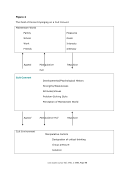
Cult milieu factors. Relegating the recruitment and acculturation factors to variations of the
same theme (cf. Ash, 1983, pp. 95-96,102-103 for the details), three variables of the cult
or group milieu must be available for the conversion process to take place. These may also
be seen as stages of the process, albeit overlapping stages. These three components are:
1. Isolation, from:
a. the world (Enroth, 1977 Clark, 1979b Schwartz Kaslow, 1979 Singer, 1979)
b. family and friends (ibid. all 4 ref &Blackwell, 1980 Etemad, 1978 Isser &
Schwartz, 1980 Levine, 1980 Sargant, 1951 Schwartz &Kaslow, 1981 West &
Singer, 1980) and even
c. self --by the cults not allowing time alone unsupervised by cult members (Enroth,
1977 Etemad, 1979 Galper in Aversa, 1976 Levine,1980 Stoner &Parke,
1977 West &Singer, 1980 Yamamoto, 1977), not allowing time to think or
critically evaluate (Levine, 1980 Lofland, 1977 Schwartz &Kaslow, 1979, 1981
Stone &Parke 1977 Yamamoto, 1977), and sometimes by even isolating the
recruit from access to mirrors (Conway &Siegelman, 1978, p. 33 Enroth, 1977.
pp. 34, 48, 106, 179).
a. Lack of inner direction or purpose (Ego-Ideal)-cf. the literature above regarding‖‗
the search for meaning, as well as that related to a lack of guidance in the family
system of origin
a. Lack of adequate self-control (Superego). The entire ego regression theory of
cult conversion revolves around the notion of the surrendering of ego controls
to the cult because of the cult‘s ―powerful sources of control that compensate
tot the lack of internal control‖ (Schwartz &Kaslow, 1981, p. 14). For Spero
(1982) this surrendering process occurs through the coming together of pre-
cult field-dependent tendencies, superego surfeits and deficits (pp. 333-334
cf. p. 281), and shame proneness (cf. lack of Ego-Ideal) with manipulative
cultic indoctrination techniques that induce dedifferentiation of self-
boundaries (P. 341), i.e., blurred ego boundaries between the convert and
the cult leaders who become idealized (cf. Galanter, 1983a, p. 988). Likewise,
Merritt (in Burtner, 1980, tape 3, side 1) referred to this process as the
superimposing of an alien superego over the ego which is shrunk down as
small as possible, yet left large enough to keep functioning at whatever level
deemed necessary by the group. And finally, Ungerleider &Wellisch (1979b)
found MMPI results which suggested ―subjects who were still cult members
indicated difficulty with impulses in several areas and attendant superego
deficits such that the cults appear to serve as externalized superego
substitutes‖ (p. 281).
b. Low tolerance for ambiguity--cf. the literature referring to the search by
individuals for and the promise by cults of instant, simplistic, black and white
answers (Burtner, 1980 Clark, 1979b Cox, 1977 Enroth, 1977, 1979 Isser
&Schwartz, 1980 Levine, 1979 Levine &Salter, 1976 Rothbaum, 1980
Schwartz &Kaslow, 1981 Singer, 1978 Spero, 1977, 1980).
c. Susceptibility to trance states due to impairment in ego differentiation of
reality frames (Spero, 1982 cf. Beahrs, 1982, seeing hypnotic, or trance,
behavior as spontaneous vivid imagination/fluid perception with primary and
tertiary process thinking pp. 14-22).
Extremist Cult Conversion
Cult milieu factors. Relegating the recruitment and acculturation factors to variations of the
same theme (cf. Ash, 1983, pp. 95-96,102-103 for the details), three variables of the cult
or group milieu must be available for the conversion process to take place. These may also
be seen as stages of the process, albeit overlapping stages. These three components are:
1. Isolation, from:
a. the world (Enroth, 1977 Clark, 1979b Schwartz Kaslow, 1979 Singer, 1979)
b. family and friends (ibid. all 4 ref &Blackwell, 1980 Etemad, 1978 Isser &
Schwartz, 1980 Levine, 1980 Sargant, 1951 Schwartz &Kaslow, 1981 West &
Singer, 1980) and even
c. self --by the cults not allowing time alone unsupervised by cult members (Enroth,
1977 Etemad, 1979 Galper in Aversa, 1976 Levine,1980 Stoner &Parke,
1977 West &Singer, 1980 Yamamoto, 1977), not allowing time to think or
critically evaluate (Levine, 1980 Lofland, 1977 Schwartz &Kaslow, 1979, 1981
Stone &Parke 1977 Yamamoto, 1977), and sometimes by even isolating the
recruit from access to mirrors (Conway &Siegelman, 1978, p. 33 Enroth, 1977.
pp. 34, 48, 106, 179).