Cultic Studies Journal, Vol. 2 No. 1 1985, Page 65
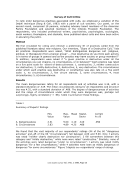
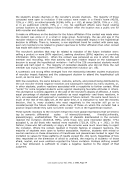
consider/accept an invitation to a cult function than would reject one (60% vs. 40%, z =
3.80, p .001).
It is interesting to observe that more of those students who had no contact with a cult
recruiter were receptive to an invitation than were those who had been approached (60%
vs. 45%, p .01). Although a sizeable percentage of those contacted would be open to
attending a cult function, even more students would reject such an offer. This result may
show that there is a considerable amount of curiosity about cults that is diminished
somewhat by prior contacts with cult members. Or, looked at differently, the generally high
receptivity of naïve students (60%) remains fairly high even after one or more contacts with
a cult recruiter (45%). To discover the circumstances of the contact experience, as well as
other aspects of that exposure and of cult-relevant attributes of the students, we turn to our
next set of results.
Contact-Related Measures
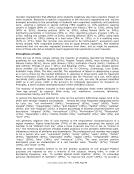
What is the nature of the typical contact between a high school student and cult member?
The most typical contact can be described as one in which an older cult member, of either
sex, approaches a solitary student on the street in order to seek donations.
About 60% of the time the cult member was older than the student, half as often of about
the same age, but equally often of the same or opposite sex as the student. Curiously, 7%
of those teenagers who had been contacted perceived the cult member to be younger than
they were.
The student was alone on 55% of the contacts, was with one other person on 43% of the
contacts, with a small group of friends 20% of the time, and with a large group only 4% of
the time. On 14% of the occasions when approached by a cult member the student was
with his or her family.
The location of the contacts varied considerably, with the ten most frequently reported sites
being: on the street corner or middle of sidewalk (56%) at an airport (29%) in student‘s
home (29%) at a bus stop (25%) in a parking lot (24%) on school grounds (14%) while
on vacation (13%) at a friend‘s home (12%) at work place (12%), and on a park bench
(11%). Contact occurred less often in restaurants, theatres, at church group meetings, at
summer camps, or in public auditoriums (not on school grounds).
In addition to seeking donations, as reported by 73 percent of the respondents, the
recruiter‘s activity was perceived as providing information about the cult (64%) selling a
product or services (47%), and actively recruiting new members (43%).
Global reactions to the recruiter were quite varied among the students. The recruiter was as
likely to be seen as ―friendly‖ (28%) as ―unfriendly‖ (25%), with a third subset (47%)
describing the person as between these extremes. A nearly equal percentage of students
felt ―angry‖ (24%) as felt ―pleasant‖ (20%) because of the contact, while most (55%) were
effectively neutral. The majority (64%) were ―uninterested‘ in the recruiter who had
approached them, but some (12%) expressed a decided interest, while about a fourth
answered this semantic differential scale in the neutral mid-range. Although the modal
reaction was to be unafraid (52%), there were clearly some students (i2%) who reported
feeling afraid and over a third who had mixed feelings toward the cult member with whom
they had their initial contact.
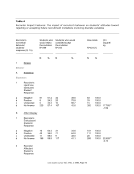
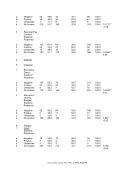
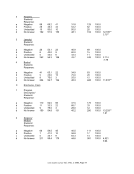
Analysis of specific features of a recruiter‘s impact on those who had been approached
revealed that virtually all had more of an unfavorable than favorable impact. However, each
consider/accept an invitation to a cult function than would reject one (60% vs. 40%, z =
3.80, p .001).
It is interesting to observe that more of those students who had no contact with a cult
recruiter were receptive to an invitation than were those who had been approached (60%
vs. 45%, p .01). Although a sizeable percentage of those contacted would be open to
attending a cult function, even more students would reject such an offer. This result may
show that there is a considerable amount of curiosity about cults that is diminished
somewhat by prior contacts with cult members. Or, looked at differently, the generally high
receptivity of naïve students (60%) remains fairly high even after one or more contacts with
a cult recruiter (45%). To discover the circumstances of the contact experience, as well as
other aspects of that exposure and of cult-relevant attributes of the students, we turn to our
next set of results.
Contact-Related Measures
What is the nature of the typical contact between a high school student and cult member?
The most typical contact can be described as one in which an older cult member, of either
sex, approaches a solitary student on the street in order to seek donations.
About 60% of the time the cult member was older than the student, half as often of about
the same age, but equally often of the same or opposite sex as the student. Curiously, 7%
of those teenagers who had been contacted perceived the cult member to be younger than
they were.
The student was alone on 55% of the contacts, was with one other person on 43% of the
contacts, with a small group of friends 20% of the time, and with a large group only 4% of
the time. On 14% of the occasions when approached by a cult member the student was
with his or her family.
The location of the contacts varied considerably, with the ten most frequently reported sites
being: on the street corner or middle of sidewalk (56%) at an airport (29%) in student‘s
home (29%) at a bus stop (25%) in a parking lot (24%) on school grounds (14%) while
on vacation (13%) at a friend‘s home (12%) at work place (12%), and on a park bench
(11%). Contact occurred less often in restaurants, theatres, at church group meetings, at
summer camps, or in public auditoriums (not on school grounds).
In addition to seeking donations, as reported by 73 percent of the respondents, the
recruiter‘s activity was perceived as providing information about the cult (64%) selling a
product or services (47%), and actively recruiting new members (43%).
Global reactions to the recruiter were quite varied among the students. The recruiter was as
likely to be seen as ―friendly‖ (28%) as ―unfriendly‖ (25%), with a third subset (47%)
describing the person as between these extremes. A nearly equal percentage of students
felt ―angry‖ (24%) as felt ―pleasant‖ (20%) because of the contact, while most (55%) were
effectively neutral. The majority (64%) were ―uninterested‘ in the recruiter who had
approached them, but some (12%) expressed a decided interest, while about a fourth
answered this semantic differential scale in the neutral mid-range. Although the modal
reaction was to be unafraid (52%), there were clearly some students (i2%) who reported
feeling afraid and over a third who had mixed feelings toward the cult member with whom
they had their initial contact.
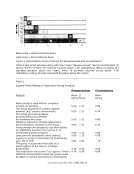
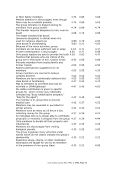
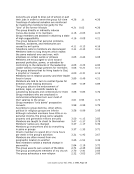
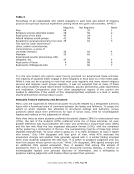
Analysis of specific features of a recruiter‘s impact on those who had been approached
revealed that virtually all had more of an unfavorable than favorable impact. However, each