Cultic Studies Journal, Vol. 2 No. 1 1985, Page 46
themselves that can complete them and which, indeed, often perform the function of
validating existence for them‖ (Spero, 1980, p. 166 cf. Shubin, 1980, p. 3). The cult
leaders then act as the ―omnipotent‖ parents with whom these individuals may fulfill their
wishes for reunion. Furthermore, by externally reinforcing his dedifferentiated ego
boundaries/extension with them, the cult leader, through a kind of folie a deux, helps the
ex-cultist continue his delusion, which can persist in the ex-cultist‘s floating experiences.
The borderline, on the other hand, only gets his wish gratified temporarily through the
fantasy of projective identification in episodic acting out (i.e., where he projects the hoped-
for ―parental‖ image onto an unsuspecting other whom he hopes will reciprocate). When this
surfaces as transference in therapy, the therapist should not reinforce it by using ―mystical‖
techniques or by doing anything else that reinforces the client‘s dependency or the
therapist‘s ―power‖.
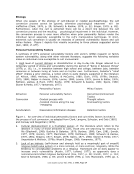
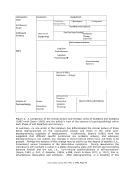
According to Cath, this wish for reunion with mother originated in the individual‘s failure to
emotionally separate from her during the first three years of life. Almost as if he were
reading directly from Masterson‘s (1975, 1978, 1981) view of the etiology of the borderline,
Cath has suggested that the failure to internalize a good and loving self and other images
results from the mother‘s failure to approve of individuation and her punishment of any
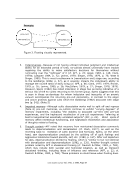
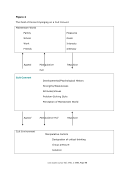
separation from her (cf. Figure 5). In contrast, every other writer who touched on this
subject has suggested that the cultist was looking for a father replacement, not a mother
(cf. ―Personal Vulnerability Factors‖ section above).
In view of the apparently high incidence of cultists with borderline dynamics, perhaps these
individuals are looking for what they never had, the powerful father who could face up to
the mother (Deutsch &Miller, 1983, p. 768).
In the case of the former, the resulting tendency ―toward splitting of good and bad self and
other images‖ (said of cult devotees by Spero, 1982, p. 338 and seen in the etiology of all
borderlines according to Kernberg, 1967, 1968, 1975) evidences itself in the WORU part-self
representation, which is inadequate, bad, ugly, guilty, helpless, empty, etc. in the
borderline, and in the similar picture of low self-esteem seen in ex-cultists and most recruits
just prior to their cult conversion. This self-part is split off and/or repressed in the current
cultist. When it returns to the surface during the post-deprogramming phase, therefore, the
ex-cultist‘s clinical picture does appear to contain the bulk of the affect seen in the
borderline‘s WORU: depression, anger, emptiness and void, fear of rejection, guilt and
shame, and helplessness and passivity.
Again, the major difference appears to be the frozen quality of this split self-representation
in the cultist, with the borderline‘s self-devaluation being quite fluid. Perhaps then, the
similarity with the borderline is greatest in the ex-cultist, not the cultist. Using the water
metaphor, the stage one ex-cultist‘s ―slush,‖ with its floating and ambivalence might
present the most variability in temperature, while stage two brings more ―steam,‖ and
normal-temperature fluidity appears in stage three. What the ―normal-temperature‖ is, of
course, depends upon the ―thermostat‖ of the individual‘s reemerging pre-cult ego, i.e.,
whether it is the variability of a borderline personality or the stability of a healthier
individual.
If the reemerging pre-cult personality should happen to be borderline, then this diagnosis
would be applicable in stage two on. Otherwise, diagnoses applied at this time of cult
recovery might best be that most suitable to whatever psychopathology exists in the
reemerging pre-cult personality.
Schizophrenia. The reemergence of schizophrenia or some other sort of psychosis during
stage two is a real possibility given Clark‘s and Kelly‘s pre-cult data in the section above and
the research supporting Galanter‘s ―relief effect,‖ which demonstrates the ego-integrative
function that extremist cults provide some individuals with transient psychotic symptoms,
themselves that can complete them and which, indeed, often perform the function of
validating existence for them‖ (Spero, 1980, p. 166 cf. Shubin, 1980, p. 3). The cult
leaders then act as the ―omnipotent‖ parents with whom these individuals may fulfill their
wishes for reunion. Furthermore, by externally reinforcing his dedifferentiated ego
boundaries/extension with them, the cult leader, through a kind of folie a deux, helps the
ex-cultist continue his delusion, which can persist in the ex-cultist‘s floating experiences.
The borderline, on the other hand, only gets his wish gratified temporarily through the
fantasy of projective identification in episodic acting out (i.e., where he projects the hoped-
for ―parental‖ image onto an unsuspecting other whom he hopes will reciprocate). When this
surfaces as transference in therapy, the therapist should not reinforce it by using ―mystical‖
techniques or by doing anything else that reinforces the client‘s dependency or the
therapist‘s ―power‖.
According to Cath, this wish for reunion with mother originated in the individual‘s failure to
emotionally separate from her during the first three years of life. Almost as if he were
reading directly from Masterson‘s (1975, 1978, 1981) view of the etiology of the borderline,
Cath has suggested that the failure to internalize a good and loving self and other images
results from the mother‘s failure to approve of individuation and her punishment of any
separation from her (cf. Figure 5). In contrast, every other writer who touched on this
subject has suggested that the cultist was looking for a father replacement, not a mother
(cf. ―Personal Vulnerability Factors‖ section above).
In view of the apparently high incidence of cultists with borderline dynamics, perhaps these
individuals are looking for what they never had, the powerful father who could face up to
the mother (Deutsch &Miller, 1983, p. 768).
In the case of the former, the resulting tendency ―toward splitting of good and bad self and
other images‖ (said of cult devotees by Spero, 1982, p. 338 and seen in the etiology of all
borderlines according to Kernberg, 1967, 1968, 1975) evidences itself in the WORU part-self
representation, which is inadequate, bad, ugly, guilty, helpless, empty, etc. in the
borderline, and in the similar picture of low self-esteem seen in ex-cultists and most recruits
just prior to their cult conversion. This self-part is split off and/or repressed in the current
cultist. When it returns to the surface during the post-deprogramming phase, therefore, the
ex-cultist‘s clinical picture does appear to contain the bulk of the affect seen in the
borderline‘s WORU: depression, anger, emptiness and void, fear of rejection, guilt and
shame, and helplessness and passivity.
Again, the major difference appears to be the frozen quality of this split self-representation
in the cultist, with the borderline‘s self-devaluation being quite fluid. Perhaps then, the
similarity with the borderline is greatest in the ex-cultist, not the cultist. Using the water
metaphor, the stage one ex-cultist‘s ―slush,‖ with its floating and ambivalence might
present the most variability in temperature, while stage two brings more ―steam,‖ and
normal-temperature fluidity appears in stage three. What the ―normal-temperature‖ is, of
course, depends upon the ―thermostat‖ of the individual‘s reemerging pre-cult ego, i.e.,
whether it is the variability of a borderline personality or the stability of a healthier
individual.
If the reemerging pre-cult personality should happen to be borderline, then this diagnosis
would be applicable in stage two on. Otherwise, diagnoses applied at this time of cult
recovery might best be that most suitable to whatever psychopathology exists in the
reemerging pre-cult personality.
Schizophrenia. The reemergence of schizophrenia or some other sort of psychosis during
stage two is a real possibility given Clark‘s and Kelly‘s pre-cult data in the section above and
the research supporting Galanter‘s ―relief effect,‖ which demonstrates the ego-integrative
function that extremist cults provide some individuals with transient psychotic symptoms,