Cultic Studies Journal, Vol. 2 No. 1 1985, Page 7
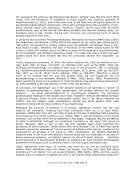
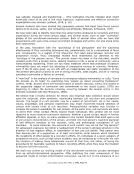
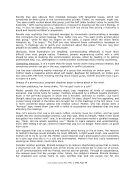
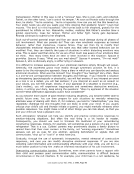
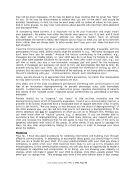
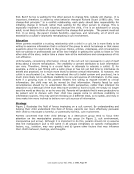
(1984) article. In one, a psychotic individual attempted to join and participate. The other
members ignored him, literally turning their backs on him. They knew that he had little
ability to relate to them, that he would ―drain‖ their energies, and that he had nothing to
offer the cult. While psychotherapists may find certain patients more attractive than others
(Luborsky, 1984), an ethical psychotherapist would not reject or ignore a difficult patient.
Deviant Psychotherapy: Authoritarian “Cult-Like” Modes of Treatment
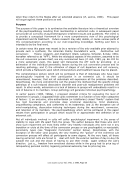
There are certainly some narcissistic psychotherapists who form therapy groups that take
on cult-like characteristics (Kohut, 1976 Kriegman and Solomon, 1985 Temerlin and
Temerlin, 1982). These grandiose therapists may exploit the ―idealizing transference‖ in
order to develop authoritarian control over their group membership (Temerlin and Temerlin,
1982). They ―treat‖ their lovers, friends, students, etc., forming them into cult-like groups
of which they are the leader.
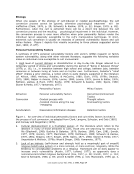
These therapists did not consider their patient‘s idealization of them to be a
transference, to be understood as part of the treatment. Instead, they used it
to encourage submission, obedience, and adoration as in religious cults.
Patients became ―true believers‖ with totalistic patterns of thought, increased
dependence, and paranoia. (Temerlin &Temerlin, 1982, p. 131)
Differences with one‘s therapist/leader were akin to disloyalty steps toward individuation
were interpreted as rebellion.
Only after leaving the cult did many patients realize they unconsciously had
lived out a fantasy of having found a ―magical healer,‖ a Personal Savior, or
of pleasing an omnipotent parent ...Therapists perpetually acted out such
fantasies by accepting idealization as a deserved status gratifying infantile
needs of patients ...(and confiding that) they befriended only those patients
with the potential for greatness. (Temerlin &Temerlin, p. 135) (Note 3).
We note (Kriegman and Solomon, 1985) Kohut‘s caution against ―the active encouragement
of an idealization of the analyst‖ because it ―leads to the establishment of a tenacious
transference bondage‖ (1971, p. 164). Kohut also quoted Freud‘s warning (Freud, 1923, p.
50) about the existence of:
―a temptation for the analyst to play the part of prophet, savior, and
redeemer to the patient,‖...a procedure to which ―the rules of analysis are
diametrically opposed‖ (Kohut, 1971).
When these rules are ignored and the authoritarian therapist takes on the role of ―magical
savior‖ he creates a pathogenic relationship with the patient. The patient‘s experience is
then apt to be very similar to the cult member‘s experience with his leader. Kilbourne and
Richardson are in effect pointing out this potential similarity between the charismatic guru
of ―mainstream‖ cult groups and the grandiose leader of highly deviant and unethical,
unprofessional treatment groups.
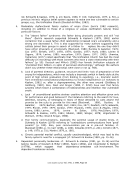
For a patient with this type of grandiose therapist there is clearly a strong tendency to
dichotomize the world into the ―healed and unhealed‖. Kilbourne and Richardson suggest
that the dichotomizing sets up an ―elite‖ made up of those who are ―healed,‖ and that this is
so for both psychotherapy and the ―new religions‖. Again, they oversimplify.
Mainstream clinicians focus their work on their patients‘ experience and do not seek to
convert them or have them join their world view. Patients who seek psychotherapy
because of a chronic depression, a series of failures in relationships, debilitating anxiety
attacks, etc., are not primarily focused on dividing the world into the ―healed and
unhealed.‖ They are not asking to be included in an elite group. Many, if not most
psychotherapy patients simply want their suffering and their specific symptoms alleviated.
(1984) article. In one, a psychotic individual attempted to join and participate. The other
members ignored him, literally turning their backs on him. They knew that he had little
ability to relate to them, that he would ―drain‖ their energies, and that he had nothing to
offer the cult. While psychotherapists may find certain patients more attractive than others
(Luborsky, 1984), an ethical psychotherapist would not reject or ignore a difficult patient.
Deviant Psychotherapy: Authoritarian “Cult-Like” Modes of Treatment
There are certainly some narcissistic psychotherapists who form therapy groups that take
on cult-like characteristics (Kohut, 1976 Kriegman and Solomon, 1985 Temerlin and
Temerlin, 1982). These grandiose therapists may exploit the ―idealizing transference‖ in
order to develop authoritarian control over their group membership (Temerlin and Temerlin,
1982). They ―treat‖ their lovers, friends, students, etc., forming them into cult-like groups
of which they are the leader.
These therapists did not consider their patient‘s idealization of them to be a
transference, to be understood as part of the treatment. Instead, they used it
to encourage submission, obedience, and adoration as in religious cults.
Patients became ―true believers‖ with totalistic patterns of thought, increased
dependence, and paranoia. (Temerlin &Temerlin, 1982, p. 131)
Differences with one‘s therapist/leader were akin to disloyalty steps toward individuation
were interpreted as rebellion.
Only after leaving the cult did many patients realize they unconsciously had
lived out a fantasy of having found a ―magical healer,‖ a Personal Savior, or
of pleasing an omnipotent parent ...Therapists perpetually acted out such
fantasies by accepting idealization as a deserved status gratifying infantile
needs of patients ...(and confiding that) they befriended only those patients
with the potential for greatness. (Temerlin &Temerlin, p. 135) (Note 3).
We note (Kriegman and Solomon, 1985) Kohut‘s caution against ―the active encouragement
of an idealization of the analyst‖ because it ―leads to the establishment of a tenacious
transference bondage‖ (1971, p. 164). Kohut also quoted Freud‘s warning (Freud, 1923, p.
50) about the existence of:
―a temptation for the analyst to play the part of prophet, savior, and
redeemer to the patient,‖...a procedure to which ―the rules of analysis are
diametrically opposed‖ (Kohut, 1971).
When these rules are ignored and the authoritarian therapist takes on the role of ―magical
savior‖ he creates a pathogenic relationship with the patient. The patient‘s experience is
then apt to be very similar to the cult member‘s experience with his leader. Kilbourne and
Richardson are in effect pointing out this potential similarity between the charismatic guru
of ―mainstream‖ cult groups and the grandiose leader of highly deviant and unethical,
unprofessional treatment groups.
For a patient with this type of grandiose therapist there is clearly a strong tendency to
dichotomize the world into the ―healed and unhealed‖. Kilbourne and Richardson suggest
that the dichotomizing sets up an ―elite‖ made up of those who are ―healed,‖ and that this is
so for both psychotherapy and the ―new religions‖. Again, they oversimplify.
Mainstream clinicians focus their work on their patients‘ experience and do not seek to
convert them or have them join their world view. Patients who seek psychotherapy
because of a chronic depression, a series of failures in relationships, debilitating anxiety
attacks, etc., are not primarily focused on dividing the world into the ―healed and
unhealed.‖ They are not asking to be included in an elite group. Many, if not most
psychotherapy patients simply want their suffering and their specific symptoms alleviated.