Cultic Studies Journal, Vol. 2 No. 1 1985, Page 83
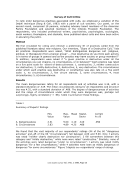
composite function that predicts to the outcome of anticipated affiliation, or negotiation with
a cult-by deciding whether to consider, accept or reject a hypothetical invitation to a cult
function. What ire these variables and what do they tell us about the dynamic process
whereby a student who has been approached by a cult member is open or closed to further
contact?
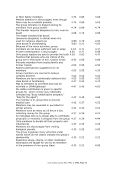
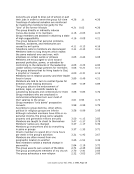
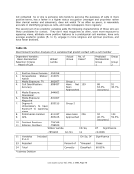
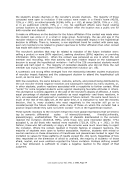
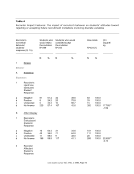
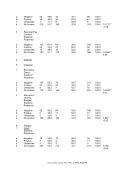
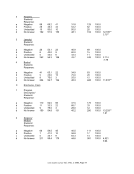
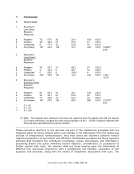
The five most important contributors to the student‘s affiliation decision are: (a)
(mediational) perceiving the prototypical member as possessing more positive
characteristics, such as, wise, honest, friendly, responsible (b) (contact) noticing (and
remembering) more positive features of the cult recruiter, such as, eye contact, enthusiasm
dress, voice (c) (mediational) interpreting the purposes of cults in less negative terms,
such as, to destroy freedom and the family, to rule the world (d) (contact) having
experienced the contact with a recruiter in a location that was one of the recruiter‘s private
channels, such as, a dinner, film, camp or auditorium not on school grounds, and (e) (pre-
contact) possessing a greater familiarity with spiritual vocabulary terms, such as,
meditation, spiritual community, cosmic consciousness.
The second five predictors, in order of the amount of variance they account for in the
outcome measure are: (a) (contact) not being with a large group of friends when the
contact was made with the recruiter (b) (contact) not being contacted by a recruiter who
was older and of the opposite sex (c) (mediational) perceiving cults to have more positive
purposes, such as personal development of members, protest social Injustice, lessen
cultural differences (d) (contact) noticing (and remembering) fewer negative features
about the recruiter, and (e) (contact) being approached by the recruiter in one of the
student‘s private channels, such as, home, friend‘s home, school, at work.
The final set of five variables that contribute significantly to the outcome, though less so
than those already mentioned, are. (a) (mediational) organizing the conception of cults
around a set of more positive descriptors, such as, worthwhile, responsible, pleasureable,
charity-minded (b) (pre-contact) being slightly less able to accurately identify the names of
many groups thought to be cults (c) (pre-contact) having reported hearing about more cult
and non-cult groups (d) (contact) not being approached by a recruiter when the student
was in a family setting, and finally, (e) (mediational) developing more positive affective
bonds to the recruiter, feeling more friendly, interested, pleased, and unafraid.
Conclusions and Discussion
This final section of our report will present an overview of major conclusions, mention
reservations in over generalizing these results, and suggest some future research directions.
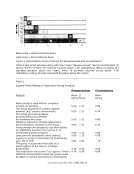
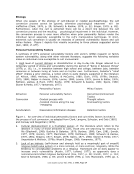
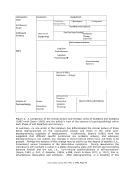
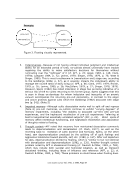
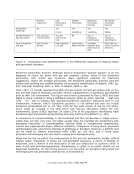
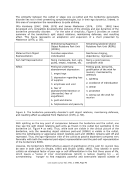
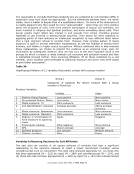
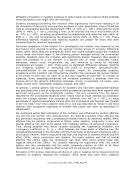
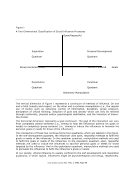
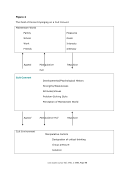
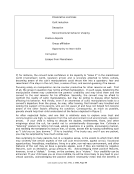
(See Fig. 2, which summarizes our conclusions.)
A surprisingly sizable proportion of high school youngsters report having had personal
contact with a cult member, many of them on a number of different occasions. Some of
these students have joined cults or were thinking about joining. More than half of all
students surveyed were receptive to the possibility of attending a cult function if invited to
one, whether or not they had prior contact. Indeed, the majority of those never approached
by a cult recruiter expressed an interest in having some contact with a cult activity.
This high degree of contact and receptivity to some affiliation with cults must be evaluated
within the context of the overwhelmingly negative characterization of cults that these
students receive from both the media and their direct channels of communication. Despite
that negatively biased input and their generally negative evaluation of cult activities,
purposes, and cult recruiter features, many of these students remain open to considering an
invitation to a cult meeting. This is one reason why we conclude that the subject of a cult
recruitment attempt should not be viewed as a passive target overwhelmed by coercively
compelling ―mind control tactics.‖ In this initial stage of the contact-recruitment-conversion
composite function that predicts to the outcome of anticipated affiliation, or negotiation with
a cult-by deciding whether to consider, accept or reject a hypothetical invitation to a cult
function. What ire these variables and what do they tell us about the dynamic process
whereby a student who has been approached by a cult member is open or closed to further
contact?
The five most important contributors to the student‘s affiliation decision are: (a)
(mediational) perceiving the prototypical member as possessing more positive
characteristics, such as, wise, honest, friendly, responsible (b) (contact) noticing (and
remembering) more positive features of the cult recruiter, such as, eye contact, enthusiasm
dress, voice (c) (mediational) interpreting the purposes of cults in less negative terms,
such as, to destroy freedom and the family, to rule the world (d) (contact) having
experienced the contact with a recruiter in a location that was one of the recruiter‘s private
channels, such as, a dinner, film, camp or auditorium not on school grounds, and (e) (pre-
contact) possessing a greater familiarity with spiritual vocabulary terms, such as,
meditation, spiritual community, cosmic consciousness.
The second five predictors, in order of the amount of variance they account for in the
outcome measure are: (a) (contact) not being with a large group of friends when the
contact was made with the recruiter (b) (contact) not being contacted by a recruiter who
was older and of the opposite sex (c) (mediational) perceiving cults to have more positive
purposes, such as personal development of members, protest social Injustice, lessen
cultural differences (d) (contact) noticing (and remembering) fewer negative features
about the recruiter, and (e) (contact) being approached by the recruiter in one of the
student‘s private channels, such as, home, friend‘s home, school, at work.
The final set of five variables that contribute significantly to the outcome, though less so
than those already mentioned, are. (a) (mediational) organizing the conception of cults
around a set of more positive descriptors, such as, worthwhile, responsible, pleasureable,
charity-minded (b) (pre-contact) being slightly less able to accurately identify the names of
many groups thought to be cults (c) (pre-contact) having reported hearing about more cult
and non-cult groups (d) (contact) not being approached by a recruiter when the student
was in a family setting, and finally, (e) (mediational) developing more positive affective
bonds to the recruiter, feeling more friendly, interested, pleased, and unafraid.
Conclusions and Discussion
This final section of our report will present an overview of major conclusions, mention
reservations in over generalizing these results, and suggest some future research directions.
(See Fig. 2, which summarizes our conclusions.)
A surprisingly sizable proportion of high school youngsters report having had personal
contact with a cult member, many of them on a number of different occasions. Some of
these students have joined cults or were thinking about joining. More than half of all
students surveyed were receptive to the possibility of attending a cult function if invited to
one, whether or not they had prior contact. Indeed, the majority of those never approached
by a cult recruiter expressed an interest in having some contact with a cult activity.
This high degree of contact and receptivity to some affiliation with cults must be evaluated
within the context of the overwhelmingly negative characterization of cults that these
students receive from both the media and their direct channels of communication. Despite
that negatively biased input and their generally negative evaluation of cult activities,
purposes, and cult recruiter features, many of these students remain open to considering an
invitation to a cult meeting. This is one reason why we conclude that the subject of a cult
recruitment attempt should not be viewed as a passive target overwhelmed by coercively
compelling ―mind control tactics.‖ In this initial stage of the contact-recruitment-conversion