Cultic Studies Journal, Vol. 2 No. 1 1985, Page 79
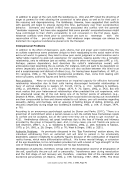
attribution of positive or negative purposes to cults is taken as one measure of the potential
value-satisfaction cults might offer the individual.
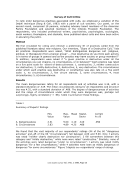
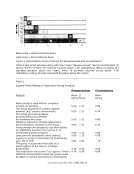
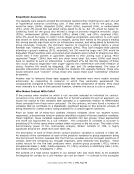
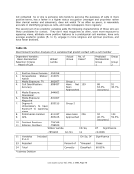
Students accepting/considering the invitation differ significantly from those rejecting it on
the dimension of perceiving more positive purposes of cults. Specifically, more of them see
cults as encouraging personal development (56% vs. 43%, p .001), improving the world
(59% vs. 40%, p .001), providing a finer, purer physical and moral environment (63%
vs. 37%, p .001), providing an alternative to employment and dead-end jobs (56% vs.
46%, p .01), and strengthening the American family (60% vs. 40%, p .01). These
differences between receptive and rejecting students are greater for those who were
contacted than for those not approached.
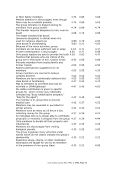
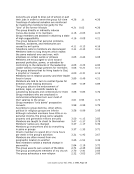
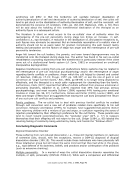
Perceived congruence of the student to a prototypical cult member was assessed by the
descriptions they selected to portray the average member across 15 semantic differential
scales. When these data are arranged by those who would consider/accept the invitation
versus those who would reject it, the following pattern emerged among the uncontacted
students. Students reject the invitation with significantly greater frequency than accept it
when the prototype of a cult member is a person who is: weak, vulnerable, lonely,
depressed, stupid, crazy, irresponsible, shy, and immature (p values for individual
comparisons are largely .001). There were no significant differences between rejecting
and accepting students in attributing the traits of dirty/clean, dishonest/honest,
unfriendly/friendly to the average cult member. Finally, for uncontacted students,
acceptance of the invitation was influenced by whether they perceived the typical member
to be similar to them but not when he or she was imagined as dissimilar. In virtually all
instances, those accepting/considering the invitation construed a prototype from the
positive end of the semantic differential subscales: strong, invulnerable, not lonely, wise,
happy, smart, sane, responsible, outgoing, mature, and clean.
In general, a similar pattern was found for students who had been approached-rejection
was associated with a lack of congruence while acceptance/consideration went together with
perceived congruence to the prototypical member. The only variations from the pattern
reported for the uncontacted students were: nearly twice as much rejection as acceptance
when the average member was imagined as ―different from me‖ (p .001) an equal
percentage of rejection/acceptance choices when the prototypical cult member was thought
to be ―not lonely‖ (but more rejection when he or she was described as ―lonely‖), and more
rejection than acceptance regardless of whether that person was seen. as dependent or
independent.
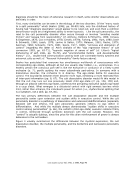
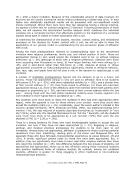
We mentioned earlier that acceptance of the invitation was influenced by positive affective
ties with the cult member who contacted them. As might be predicted, these affective ties
and perceived congruence with a prototypical member tend to be positively related. When
affective ties are positive, congruence is higher, when negative, congruence is low, and
neutral affective ties tend to be paired with moderate degrees of perceived congruence.
Thus, among students who would consider accepting the hypothetical invitation, the
contingency coefficient is .31 (p .001) between the three levels of affective ties (for
interested/disinterested in the recruiter) and the three levels of perceived congruence with a
prototypical member. Where congruence was high, the majority of students showed positive
affect (53%), where congruence was medium, the major reaction was that of neutral
affective ties (44%), while low congruence was most often found among those with
negative affective ties (55%). For students rejecting the hypothetical offer, this overall
pattern was also comparable, but the modal composite reaction (in 69% of all these
respondents) was one of negative affective ties and low perceived congruence.
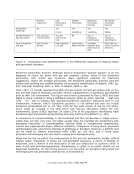
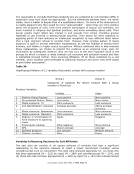
Perception of the primary descriptive attributes of cults in negative terms characterized the
reactions of students rejecting the invitation, while those who were more receptive
attribution of positive or negative purposes to cults is taken as one measure of the potential
value-satisfaction cults might offer the individual.
Students accepting/considering the invitation differ significantly from those rejecting it on
the dimension of perceiving more positive purposes of cults. Specifically, more of them see
cults as encouraging personal development (56% vs. 43%, p .001), improving the world
(59% vs. 40%, p .001), providing a finer, purer physical and moral environment (63%
vs. 37%, p .001), providing an alternative to employment and dead-end jobs (56% vs.
46%, p .01), and strengthening the American family (60% vs. 40%, p .01). These
differences between receptive and rejecting students are greater for those who were
contacted than for those not approached.
Perceived congruence of the student to a prototypical cult member was assessed by the
descriptions they selected to portray the average member across 15 semantic differential
scales. When these data are arranged by those who would consider/accept the invitation
versus those who would reject it, the following pattern emerged among the uncontacted
students. Students reject the invitation with significantly greater frequency than accept it
when the prototype of a cult member is a person who is: weak, vulnerable, lonely,
depressed, stupid, crazy, irresponsible, shy, and immature (p values for individual
comparisons are largely .001). There were no significant differences between rejecting
and accepting students in attributing the traits of dirty/clean, dishonest/honest,
unfriendly/friendly to the average cult member. Finally, for uncontacted students,
acceptance of the invitation was influenced by whether they perceived the typical member
to be similar to them but not when he or she was imagined as dissimilar. In virtually all
instances, those accepting/considering the invitation construed a prototype from the
positive end of the semantic differential subscales: strong, invulnerable, not lonely, wise,
happy, smart, sane, responsible, outgoing, mature, and clean.
In general, a similar pattern was found for students who had been approached-rejection
was associated with a lack of congruence while acceptance/consideration went together with
perceived congruence to the prototypical member. The only variations from the pattern
reported for the uncontacted students were: nearly twice as much rejection as acceptance
when the average member was imagined as ―different from me‖ (p .001) an equal
percentage of rejection/acceptance choices when the prototypical cult member was thought
to be ―not lonely‖ (but more rejection when he or she was described as ―lonely‖), and more
rejection than acceptance regardless of whether that person was seen. as dependent or
independent.
We mentioned earlier that acceptance of the invitation was influenced by positive affective
ties with the cult member who contacted them. As might be predicted, these affective ties
and perceived congruence with a prototypical member tend to be positively related. When
affective ties are positive, congruence is higher, when negative, congruence is low, and
neutral affective ties tend to be paired with moderate degrees of perceived congruence.
Thus, among students who would consider accepting the hypothetical invitation, the
contingency coefficient is .31 (p .001) between the three levels of affective ties (for
interested/disinterested in the recruiter) and the three levels of perceived congruence with a
prototypical member. Where congruence was high, the majority of students showed positive
affect (53%), where congruence was medium, the major reaction was that of neutral
affective ties (44%), while low congruence was most often found among those with
negative affective ties (55%). For students rejecting the hypothetical offer, this overall
pattern was also comparable, but the modal composite reaction (in 69% of all these
respondents) was one of negative affective ties and low perceived congruence.
Perception of the primary descriptive attributes of cults in negative terms characterized the
reactions of students rejecting the invitation, while those who were more receptive