Cultic Studies Journal, Vol. 2 No. 1 1985, Page 85
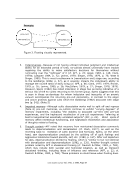
what emerges at later stages in the process of becoming a cult member may differ from
what goes into it at the start (see also Ullman, 1982).
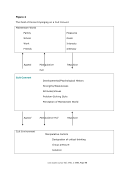
The predictive utility of our conceptual model of the pre-conversion phase of recruitment
into cults encourages us to suggest its potential value in studying other stages in this
overall process, as well as its applicability to non-cult recruitment settings.
Needless to say, proper evaluation of this model awaits future studies that do not rely as
heavily upon self-report recollections of different stages in the process. We recognize the
many sources of bias that luck about such survey data, and the distortions that
reconstructive memory imposes on ―what actually took place‖. (Klatsky, 1980 Anderson,
1980). Moreover, it is reasonable to assume that many subjects were influenced by specific
aspects of the cult recruiter‘s verbal and non-verbal behavior, yet were unaware of that
influence (Nisbett &Wilson, 1977 Roloff, 1980).
Ideally, one should first identify those individuals who have had no prior contact with a cult
recruiter in order to assess their pre-contact characteristics. Then, they can be time-
sampled for subsequent contact exposure and retested on measures of contact impact and
mediational processes. Or, preferably from a social psychological perspective, researchers
might work with cult recruiters (or confederates playing standardized roles as cult recruiters
or prospective recruits) to observe and record the contact interaction. Follow-up interviews
and surveys could then be conducted with both target persons and recruiters at selected
time delays. A real invitation to attend a cult function in place of our hypothetical invitation
is also a better outcome measure, but should be one similarly predicted by the components
of our model. (Ethical considerations, of course, render such suggestions as unlikely to be
approved by a Human Subjects Research Committee).
Recruiter‘s tactics and strategies need also to be systematically studied, especially as they
change with different stages of contact and are varied over time for different target
audiences and purposes. Since the focus of the present research was on the recruit‘s
perception of the recruiter, our discussion plays down the power of ―compliance-gaining
strategies‖ used by skillful recruiters (McLaughlin, Cody, &Robey, 1980 Miller, Boster,
Roloff, &Seibold, 1977). We are well aware that many recruiters artfully guide and shape
the responses of the target person. They may misrepresent their identities and intentions.
They may falsify their relationship to the organization for which they are recruiting while
they manipulate the affective ties and desired perception of congruence in the minds of
potential recruits (Anderson &Zimbardo, 1984). We also acknowledge the persuasive power
that effective recruiters may have upon the attitudes, beliefs, and decisions of unsuspecting
recruits. And we are sadly cognizant of the destructive power that can be wielded by cults
that compromise the freedom and integrity of their members (Sullivan &Zimbardo, 1980).
However, our attempt has been to conduct a relatively unbiased, empirical investigation of
only the initial stage in the recruitment process.
It is during this first phase in the global conversion process that recruiters test the waters
for a promising catch, while the curious among us are checking-out the attractiveness of the
bait. The odds may be evened out in this confrontation when we provide those potential
recruits with better information about new religious movements than they currently receive
from home, school, and media sources.
what emerges at later stages in the process of becoming a cult member may differ from
what goes into it at the start (see also Ullman, 1982).
The predictive utility of our conceptual model of the pre-conversion phase of recruitment
into cults encourages us to suggest its potential value in studying other stages in this
overall process, as well as its applicability to non-cult recruitment settings.
Needless to say, proper evaluation of this model awaits future studies that do not rely as
heavily upon self-report recollections of different stages in the process. We recognize the
many sources of bias that luck about such survey data, and the distortions that
reconstructive memory imposes on ―what actually took place‖. (Klatsky, 1980 Anderson,
1980). Moreover, it is reasonable to assume that many subjects were influenced by specific
aspects of the cult recruiter‘s verbal and non-verbal behavior, yet were unaware of that
influence (Nisbett &Wilson, 1977 Roloff, 1980).
Ideally, one should first identify those individuals who have had no prior contact with a cult
recruiter in order to assess their pre-contact characteristics. Then, they can be time-
sampled for subsequent contact exposure and retested on measures of contact impact and
mediational processes. Or, preferably from a social psychological perspective, researchers
might work with cult recruiters (or confederates playing standardized roles as cult recruiters
or prospective recruits) to observe and record the contact interaction. Follow-up interviews
and surveys could then be conducted with both target persons and recruiters at selected
time delays. A real invitation to attend a cult function in place of our hypothetical invitation
is also a better outcome measure, but should be one similarly predicted by the components
of our model. (Ethical considerations, of course, render such suggestions as unlikely to be
approved by a Human Subjects Research Committee).
Recruiter‘s tactics and strategies need also to be systematically studied, especially as they
change with different stages of contact and are varied over time for different target
audiences and purposes. Since the focus of the present research was on the recruit‘s
perception of the recruiter, our discussion plays down the power of ―compliance-gaining
strategies‖ used by skillful recruiters (McLaughlin, Cody, &Robey, 1980 Miller, Boster,
Roloff, &Seibold, 1977). We are well aware that many recruiters artfully guide and shape
the responses of the target person. They may misrepresent their identities and intentions.
They may falsify their relationship to the organization for which they are recruiting while
they manipulate the affective ties and desired perception of congruence in the minds of
potential recruits (Anderson &Zimbardo, 1984). We also acknowledge the persuasive power
that effective recruiters may have upon the attitudes, beliefs, and decisions of unsuspecting
recruits. And we are sadly cognizant of the destructive power that can be wielded by cults
that compromise the freedom and integrity of their members (Sullivan &Zimbardo, 1980).
However, our attempt has been to conduct a relatively unbiased, empirical investigation of
only the initial stage in the recruitment process.
It is during this first phase in the global conversion process that recruiters test the waters
for a promising catch, while the curious among us are checking-out the attractiveness of the
bait. The odds may be evened out in this confrontation when we provide those potential
recruits with better information about new religious movements than they currently receive
from home, school, and media sources.