Cultic Studies Journal, Vol. 2 No. 1 1985, Page 37
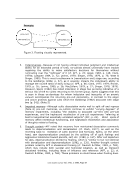
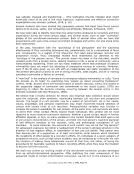
Remerging Returning
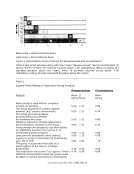
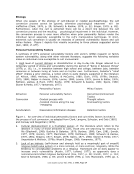
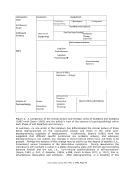
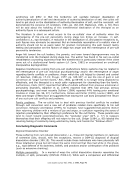
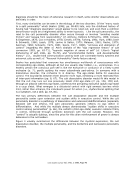
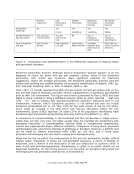
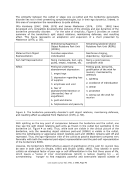
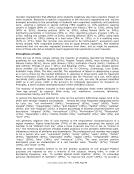
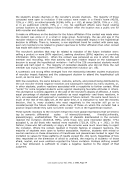
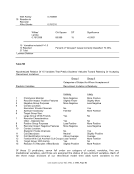
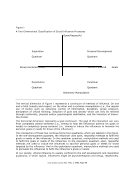
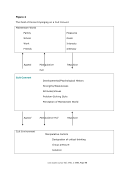
Figure 3. Floating visually represented.
3. Indecisiveness--Because of not having utilized individual judgment and intellectual
ability for an extended period of time, ex-cultists almost universally have trouble
regaining the ability to make satisfactory decisions for themselves without
ruminating over the ―rightness‖ of it (cf. AFF, p. 22 Appel, 1983, p. 146 Clark,
1979a Langone 1984, p. 72 Levine, 1979 Singer, 1978, 1979, p. 75 West &
Singer, 1980). This is most troublesome in (reevaluation and) stage one, according
to the Goldbergs (1982, p. 67), as it severely impairs the individual‘s ability to
manage the routine tasks of daily living (cf. AFF, p. 66 Clark, 1977, 1979 Enroth,
1979, p. 16 Levine, 1980, p. 36 MacCollam, 1979, p. 27 Singer, 1978, 1979).
However, Spero (1982) has noted indecision in stage two as being indicative of a
serious risk of the ex-cultist returning to his former group. Spero suggests that this
is seen in those ex-devotees for whom indecision and insecurity of an anomic
vacuum accompanies the returning pre-cult personality, in contrast to the anger
and active protests against cults which the Goldbergs (1982) associate with stage
two (p. 342). (Note 5)
4. Impaired memory--Although cultic dissociation works well to split off and repress
(Note 6) pre-cult memories, ex-cultists continue to exhibit ―varying degrees‖ of
memory impairment, including ―the inability to associate cur-rent with pre-cult
experiences, and the haphazard recollection of pre-cult experiences ―referring at
best to tangential but essentially unrelated subjects‖ (AFF, p. 21). Blind spots of
memory affect intellectual functioning, and haphazard recollection and association
of thoughts relate to floating.
5. Thought content--AFF noted that recovery from maintained dissociation commonly
leads to depersonalization and derealization (cf. Clark, 1977), as well as the
reverting back to recitation of cultic doctrine and formulas. Spero, on the other
hand, saw depersonalization produced by the splitting off of guilt feelings and
aggressive tendencies toward parents, self, etc. (1980, p. 167). After cult departure
he sees, depersonalization elicited by floating, which is ―similar to but not identical
with derealization and depersonalization (1982, p. 335). Another thought content
problem noted by AFF is obsessional thinking (cf. Deutsch &Miller, 1983, p. 769),
which may include both suicidal and homicidal Ideation, as well as transient
delusional thinking, including ideas of influence and reference (AFF, p. 22 cf.
Duetsch &Miller, 1983, p. 768). These problems no doubt leave when floating does.
Remerging Returning
Figure 3. Floating visually represented.
3. Indecisiveness--Because of not having utilized individual judgment and intellectual
ability for an extended period of time, ex-cultists almost universally have trouble
regaining the ability to make satisfactory decisions for themselves without
ruminating over the ―rightness‖ of it (cf. AFF, p. 22 Appel, 1983, p. 146 Clark,
1979a Langone 1984, p. 72 Levine, 1979 Singer, 1978, 1979, p. 75 West &
Singer, 1980). This is most troublesome in (reevaluation and) stage one, according
to the Goldbergs (1982, p. 67), as it severely impairs the individual‘s ability to
manage the routine tasks of daily living (cf. AFF, p. 66 Clark, 1977, 1979 Enroth,
1979, p. 16 Levine, 1980, p. 36 MacCollam, 1979, p. 27 Singer, 1978, 1979).
However, Spero (1982) has noted indecision in stage two as being indicative of a
serious risk of the ex-cultist returning to his former group. Spero suggests that this
is seen in those ex-devotees for whom indecision and insecurity of an anomic
vacuum accompanies the returning pre-cult personality, in contrast to the anger
and active protests against cults which the Goldbergs (1982) associate with stage
two (p. 342). (Note 5)
4. Impaired memory--Although cultic dissociation works well to split off and repress
(Note 6) pre-cult memories, ex-cultists continue to exhibit ―varying degrees‖ of
memory impairment, including ―the inability to associate cur-rent with pre-cult
experiences, and the haphazard recollection of pre-cult experiences ―referring at
best to tangential but essentially unrelated subjects‖ (AFF, p. 21). Blind spots of
memory affect intellectual functioning, and haphazard recollection and association
of thoughts relate to floating.
5. Thought content--AFF noted that recovery from maintained dissociation commonly
leads to depersonalization and derealization (cf. Clark, 1977), as well as the
reverting back to recitation of cultic doctrine and formulas. Spero, on the other
hand, saw depersonalization produced by the splitting off of guilt feelings and
aggressive tendencies toward parents, self, etc. (1980, p. 167). After cult departure
he sees, depersonalization elicited by floating, which is ―similar to but not identical
with derealization and depersonalization (1982, p. 335). Another thought content
problem noted by AFF is obsessional thinking (cf. Deutsch &Miller, 1983, p. 769),
which may include both suicidal and homicidal Ideation, as well as transient
delusional thinking, including ideas of influence and reference (AFF, p. 22 cf.
Duetsch &Miller, 1983, p. 768). These problems no doubt leave when floating does.