Cultic Studies Journal, Vol. 2 No. 1 1985, Page 101
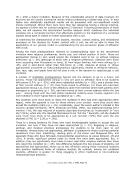
In trying to persuade their child to voluntarily reevaluate his cult involvement, parents are
attempting to ensure that their child is as free as he realistically could be. The convert who
sees limited alternatives because of cultic manipulations or personal fears is not truly free,
even though he may make what are subjectively free ―choices.‖ His situation is analogous to
a person wearing blinders and strapped to a wall such that he cannot turn his head. This
person may see three windows in front of him and may be able to ―choose‖ to look through
any one of them. But his inability to move his head and the restricted field of vision
resulting from the blinders render him unaware of six other windows in the room. These
windows do not exist for him. But they exist for unhampered observers (his parents). By
taking off the person‘s blinders and releasing him from the wall straps, these observers
enable the person to choose from nine windows instead of three. The subjective feeling of
―choice‖ may be the same, but the ―choice‖ is much richer. If the unfettered individual
decides to look through the same window he ―chose‖ while strapped to the wall, he at least
has made an informed decision. If he decides to look through one of the windows he had
previously been unable to see, he has made not only an informed decision, but, for him, a
better decision as well.
References
Ash, S. M. (1985). Cult-induced psychopathology, part 1: Clinical picture. Cultic Studies
Journal, 2(l), 31-90.
Bandura, A. (1974). Behavior theory and the models of man. American Psychologist, 29,
859-869.
Delgado, R. (1984). When religious exercise is not free deprogrammining and the
constitutional status of coercively induced belief. Vanderbilt Law Review 37, 1071-
1115.
Jersey conservatorship bill draws support, criticism. (April/May, 1983). ‗The Advisor ‗, p. 1.
Langone, M. D. (1983). Family cult questionnaire: Guidelines for professionals. Weston, M
A: American Family Foundation, 31 pp. Lucksted, 0. D., &Martel, D. F. (April,
May, June 1982). Cults: A conflict between religious liberty and involuntary
servitude? FBI Law Enforcement Bulletin.
Robbins, T., Shepherd, W., &McBride, J. (Eds.) (in press). Cults, culture and the law. Chico,
CA: Scholars Press.
Singer, M. T. (in press7. Consultation with families of cultists. In L. C. Wynne, T. Weber, &
S..McDaniel (Eds.), The family therapist as consultant. Guilford press.
Stuart, R. B. (1980). Helping couples change: A social learning approach to marital
therapy. Champaign, IL: Research Press.
Acknowledgement
This article was based on a talk given to the Cult Clinic of the Jewish Family Service of Los
Angeles on June 16, 1983. Appreciation is owed to Judith Schulman-Miller, MSW, former
Coordinator of the Cult Clinic, and to Meyer Lightman, MSW, for making that talk possible,
and to an anonymous typist, who transcribed the presentation and, thereby, facilitated the
preparation of this article.
Michael D. Langone, Ph.D. is Editor of the Cultic Studies Journal and Director of Research
for the American Family Foundation. A Licensed Psychologist, Dr. Langone has counseled
approximately 100 cultists and family members of cultists and has published a number of
articles on the subject.
In trying to persuade their child to voluntarily reevaluate his cult involvement, parents are
attempting to ensure that their child is as free as he realistically could be. The convert who
sees limited alternatives because of cultic manipulations or personal fears is not truly free,
even though he may make what are subjectively free ―choices.‖ His situation is analogous to
a person wearing blinders and strapped to a wall such that he cannot turn his head. This
person may see three windows in front of him and may be able to ―choose‖ to look through
any one of them. But his inability to move his head and the restricted field of vision
resulting from the blinders render him unaware of six other windows in the room. These
windows do not exist for him. But they exist for unhampered observers (his parents). By
taking off the person‘s blinders and releasing him from the wall straps, these observers
enable the person to choose from nine windows instead of three. The subjective feeling of
―choice‖ may be the same, but the ―choice‖ is much richer. If the unfettered individual
decides to look through the same window he ―chose‖ while strapped to the wall, he at least
has made an informed decision. If he decides to look through one of the windows he had
previously been unable to see, he has made not only an informed decision, but, for him, a
better decision as well.
References
Ash, S. M. (1985). Cult-induced psychopathology, part 1: Clinical picture. Cultic Studies
Journal, 2(l), 31-90.
Bandura, A. (1974). Behavior theory and the models of man. American Psychologist, 29,
859-869.
Delgado, R. (1984). When religious exercise is not free deprogrammining and the
constitutional status of coercively induced belief. Vanderbilt Law Review 37, 1071-
1115.
Jersey conservatorship bill draws support, criticism. (April/May, 1983). ‗The Advisor ‗, p. 1.
Langone, M. D. (1983). Family cult questionnaire: Guidelines for professionals. Weston, M
A: American Family Foundation, 31 pp. Lucksted, 0. D., &Martel, D. F. (April,
May, June 1982). Cults: A conflict between religious liberty and involuntary
servitude? FBI Law Enforcement Bulletin.
Robbins, T., Shepherd, W., &McBride, J. (Eds.) (in press). Cults, culture and the law. Chico,
CA: Scholars Press.
Singer, M. T. (in press7. Consultation with families of cultists. In L. C. Wynne, T. Weber, &
S..McDaniel (Eds.), The family therapist as consultant. Guilford press.
Stuart, R. B. (1980). Helping couples change: A social learning approach to marital
therapy. Champaign, IL: Research Press.
Acknowledgement
This article was based on a talk given to the Cult Clinic of the Jewish Family Service of Los
Angeles on June 16, 1983. Appreciation is owed to Judith Schulman-Miller, MSW, former
Coordinator of the Cult Clinic, and to Meyer Lightman, MSW, for making that talk possible,
and to an anonymous typist, who transcribed the presentation and, thereby, facilitated the
preparation of this article.
Michael D. Langone, Ph.D. is Editor of the Cultic Studies Journal and Director of Research
for the American Family Foundation. A Licensed Psychologist, Dr. Langone has counseled
approximately 100 cultists and family members of cultists and has published a number of
articles on the subject.