Cultic Studies Journal, Vol. 2 No. 1 1985, Page 43
diagnosis should be the topic of extensive research in itself, some shorter observations are
definitely in order.
First, many similarities can be seen in the etiology of the two disorders. Of the ―many roads
to a split personality‖ which Beahrs (1982, pp. 98-99) lists, only the childhood history of
having had ―imaginary playmates‖ would appear to be ruled out, and even then a common
denominator would be a heightened ability to enter hypnosis. Like the split personality, the
road to the cult personality disorder often occurs through or involves ―avoiding mental
friction‖ and ―escape from responsibility‖ (cf. Anthony, Robbins &McCarthy, 1980 Conway
&Siegelman, 1978 Cox in Hopkins, 1978 Enroth, 1979a Furlong, 1981 Hunt, 1980 Isser
&Schwartz, 1980 Lasch, 1979 Levine &Salter, 1979 Maleson, 1981 Roche, 1979
Salzman, 1966 Schwartz, 1979, 1981 Spero, 1977, 1980), ―amnesia and abdication of
control‖ (regarding the latter cf. Ash‘s analysis of the ―ego regression theory‖ of cult
conversion 1983, pp. 63-71), ―hypnotic negation of sense of self‖ (cf. Lifton‘s ―logical
dishonoring of self, 1961, pp. 76-79), and ―environmental factors and developmental
history‖ (i.e., double-bind communication used by both cult-vulnerable family systems and
extremist cults as well cf. ―Personal Vulnerability‖ family factors above).
Beahrs has postulated that everyone has simultaneous multilevels of consciousness with
corresponding ego-states, although all but one usually stay hidden, i.e., unconscious. In a
healthy person the conscious part-self is like the executive or conductor of a finely tuned
orchestra (p. 7), gently guiding his many subordinate part-selves. In someone with a
dissociative disorder, the orchestra Is in disarray. The ego-states battle for executive
control. The boundaries between them become more rigid, exhibiting a more restricted flow
of inter-part information (pp. 8, 67). The cult dissociative disorder would fit this model in
that the cult may lure out one previously latent child ego-state (cf. pp. 134, 138) and,
through an alliance with this ego-state, overthrow the prevailing executive (adult) ego-state
in a coup d‘etat. What emerges is a dictatorial control with rigid amnesic barriers which
limit, rather than enhance, the individual‘s power for action (i.e., dysfunctional splitting that
is a symptom, not a skill pp. 67, 81).
The two primary differences between the cult dissociative disorder and the multiple
personality center upon extension and sudden shifts in executive control. While the cult
personality disorder is a pathology of dissociation and extension/dedifferentiation (especially
between self and others), the split personality generally reflects no ego deficit in
differentiation. And while the multiple always demonstrates ―sudden shifts in executive
control among personalities‖ (p. 86), the cultist‘s (child ego-state) executor remains firmly
in control, reinforced through symbiotic extension with the cult outside. However, this
―control‖ is actually dubious, since the price for this alien reinforcement of power is always
deference to the cult leaders.
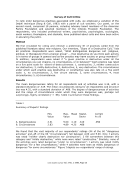
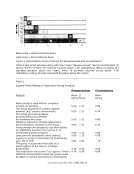
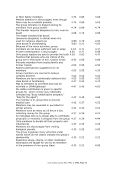
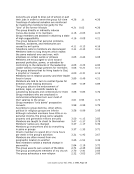
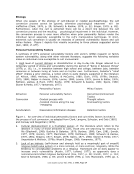
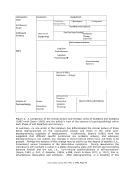
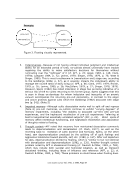
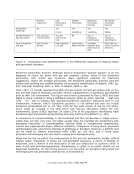
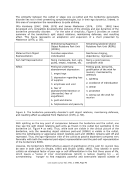
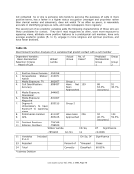
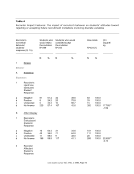
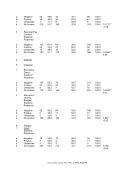
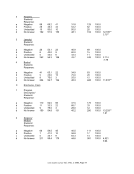
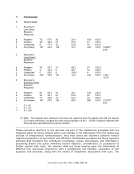
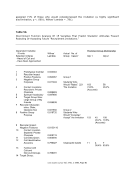
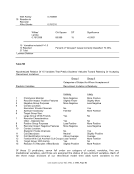
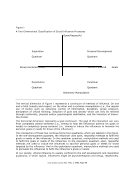
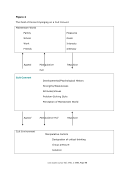
Figure 4 visually summarizes the differences between the mystical experience, the cult
dissociative disorder, the multiple personality, and the borderline and narcissistic personality
disorders.
diagnosis should be the topic of extensive research in itself, some shorter observations are
definitely in order.
First, many similarities can be seen in the etiology of the two disorders. Of the ―many roads
to a split personality‖ which Beahrs (1982, pp. 98-99) lists, only the childhood history of
having had ―imaginary playmates‖ would appear to be ruled out, and even then a common
denominator would be a heightened ability to enter hypnosis. Like the split personality, the
road to the cult personality disorder often occurs through or involves ―avoiding mental
friction‖ and ―escape from responsibility‖ (cf. Anthony, Robbins &McCarthy, 1980 Conway
&Siegelman, 1978 Cox in Hopkins, 1978 Enroth, 1979a Furlong, 1981 Hunt, 1980 Isser
&Schwartz, 1980 Lasch, 1979 Levine &Salter, 1979 Maleson, 1981 Roche, 1979
Salzman, 1966 Schwartz, 1979, 1981 Spero, 1977, 1980), ―amnesia and abdication of
control‖ (regarding the latter cf. Ash‘s analysis of the ―ego regression theory‖ of cult
conversion 1983, pp. 63-71), ―hypnotic negation of sense of self‖ (cf. Lifton‘s ―logical
dishonoring of self, 1961, pp. 76-79), and ―environmental factors and developmental
history‖ (i.e., double-bind communication used by both cult-vulnerable family systems and
extremist cults as well cf. ―Personal Vulnerability‖ family factors above).
Beahrs has postulated that everyone has simultaneous multilevels of consciousness with
corresponding ego-states, although all but one usually stay hidden, i.e., unconscious. In a
healthy person the conscious part-self is like the executive or conductor of a finely tuned
orchestra (p. 7), gently guiding his many subordinate part-selves. In someone with a
dissociative disorder, the orchestra Is in disarray. The ego-states battle for executive
control. The boundaries between them become more rigid, exhibiting a more restricted flow
of inter-part information (pp. 8, 67). The cult dissociative disorder would fit this model in
that the cult may lure out one previously latent child ego-state (cf. pp. 134, 138) and,
through an alliance with this ego-state, overthrow the prevailing executive (adult) ego-state
in a coup d‘etat. What emerges is a dictatorial control with rigid amnesic barriers which
limit, rather than enhance, the individual‘s power for action (i.e., dysfunctional splitting that
is a symptom, not a skill pp. 67, 81).
The two primary differences between the cult dissociative disorder and the multiple
personality center upon extension and sudden shifts in executive control. While the cult
personality disorder is a pathology of dissociation and extension/dedifferentiation (especially
between self and others), the split personality generally reflects no ego deficit in
differentiation. And while the multiple always demonstrates ―sudden shifts in executive
control among personalities‖ (p. 86), the cultist‘s (child ego-state) executor remains firmly
in control, reinforced through symbiotic extension with the cult outside. However, this
―control‖ is actually dubious, since the price for this alien reinforcement of power is always
deference to the cult leaders.
Figure 4 visually summarizes the differences between the mystical experience, the cult
dissociative disorder, the multiple personality, and the borderline and narcissistic personality
disorders.