Cultic Studies Journal, Vol. 2 No. 1 1985, Page 89
CULT INVOLVEMENT:
SUGGESTIONS FOR CONCERNED PARENTS AND PROFESSIONALS
Michael D. Langone, Ph.D.
Abstract
Parents with a child in a cult, or professionals charged with helping such
parents, are confronted with a difficult problem. The following require
consideration and are discussed in this paper: 1) ethical issues, 2) collecting
valid information and utilizing resources, 3) effective communication, 4)
parental modeling of constructive behaviors, 5) cult-related education, and 6)
devising appropriate and ethical helping strategies, when such are warranted.
Parents (and sometimes other relatives) troubled about a family member‘s cult involvement
are frequently fearful and frustrated. They are sometimes not sure if their concern is
warranted. They worry about the adverse effects cult involvement appears to have on their
child, e.g., interruption of school, distancing from family, loss of independence, diminished
critical thinking, and financial exploitation. Yet they often feel helpless about doing anything
constructive. So often their well-intentioned attempts to help either don‘t work or only make
the situation worse.
Parents in such a predicament have four alternatives. First, they can tolerate their child‘s
cult involvement, ―biting the bullet‖ and hoping that somehow things will turn out alright.
Second, they can try to Ignore or deny the situation, sometimes going so far as to disown
the child. Third, they can attempt an involuntary deprogramming, which is risky and
expensive, but, to some, alluringly appealing in its apparent simplicity and relative
immediacy. Lastly, they can try to help their child voluntarily reevaluate his cult
involvement. This paper offers -suggestions on how parents can pursue the latter course of
action. In places it is addressed to parents, but it is aimed at professionals as well.
Ethical Considerations
Parents attempting to help their child voluntarily reevaluate his cult involvement face an
apparent ethical dilemma. On the one hand, they may condemn the cult for using
deceptively manipulative techniques of persuasion and control on members. On the other
hand, they may not be able to avoid at least a mild, partial use of such techniques in order
to facilitate a voluntary reevaluation of cult involvement.
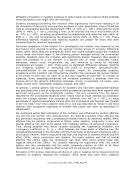
This dilemma is more apparent than real because the ethical propriety of techniques of
persuasion and control depends upon the magnitude of deception and manipulation, the
goals of the interaction, and the context in which it takes place. These three variables differ
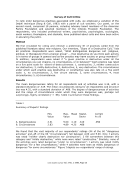
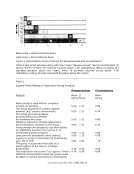
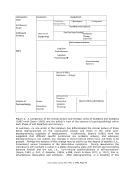
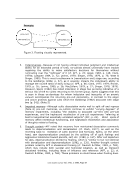
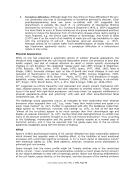
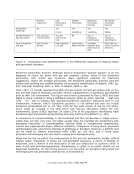
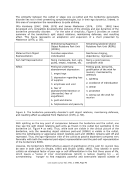
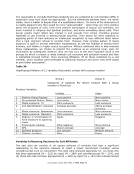
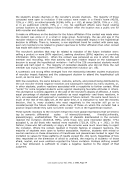
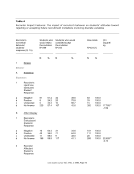
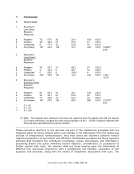
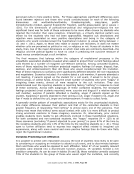
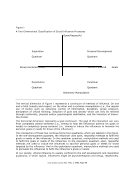
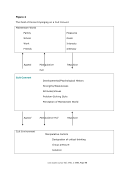
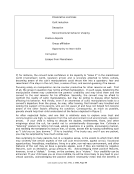
significantly in cultic and parent-child relationships. Figure 1, which presents a two
dimensional classification of social influence processes, may shed some light on this issue.
CULT INVOLVEMENT:
SUGGESTIONS FOR CONCERNED PARENTS AND PROFESSIONALS
Michael D. Langone, Ph.D.
Abstract
Parents with a child in a cult, or professionals charged with helping such
parents, are confronted with a difficult problem. The following require
consideration and are discussed in this paper: 1) ethical issues, 2) collecting
valid information and utilizing resources, 3) effective communication, 4)
parental modeling of constructive behaviors, 5) cult-related education, and 6)
devising appropriate and ethical helping strategies, when such are warranted.
Parents (and sometimes other relatives) troubled about a family member‘s cult involvement
are frequently fearful and frustrated. They are sometimes not sure if their concern is
warranted. They worry about the adverse effects cult involvement appears to have on their
child, e.g., interruption of school, distancing from family, loss of independence, diminished
critical thinking, and financial exploitation. Yet they often feel helpless about doing anything
constructive. So often their well-intentioned attempts to help either don‘t work or only make
the situation worse.
Parents in such a predicament have four alternatives. First, they can tolerate their child‘s
cult involvement, ―biting the bullet‖ and hoping that somehow things will turn out alright.
Second, they can try to Ignore or deny the situation, sometimes going so far as to disown
the child. Third, they can attempt an involuntary deprogramming, which is risky and
expensive, but, to some, alluringly appealing in its apparent simplicity and relative
immediacy. Lastly, they can try to help their child voluntarily reevaluate his cult
involvement. This paper offers -suggestions on how parents can pursue the latter course of
action. In places it is addressed to parents, but it is aimed at professionals as well.
Ethical Considerations
Parents attempting to help their child voluntarily reevaluate his cult involvement face an
apparent ethical dilemma. On the one hand, they may condemn the cult for using
deceptively manipulative techniques of persuasion and control on members. On the other
hand, they may not be able to avoid at least a mild, partial use of such techniques in order
to facilitate a voluntary reevaluation of cult involvement.
This dilemma is more apparent than real because the ethical propriety of techniques of
persuasion and control depends upon the magnitude of deception and manipulation, the
goals of the interaction, and the context in which it takes place. These three variables differ
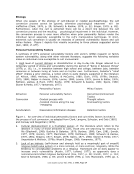
significantly in cultic and parent-child relationships. Figure 1, which presents a two
dimensional classification of social influence processes, may shed some light on this issue.