Cultic Studies Journal, Vol. 2 No. 1 1985, Page 57
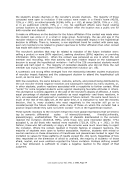
was radically changed and transformed ...(The Unification Church) initiated what might
eventually prove to be one of the most ingenious, sophisticated and effective conversion
organizations ever devised. (Lofland, 1978, p. 10).
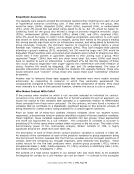
Several students who have studied this persuasion process first-hand have found current
tactics to be diverse, subtle, and compelling (see Zimbardo, Ebbesen, &Maslach, 1977).
We have been able to identify more than two dozen tactics employed by recruiters and their
organization during the initial contact stage, and several dozen more at later ―workshop‖
phases of the recruitment-conversion process. Each of several other cults we have had
acquaintance with uses some unique recruitment strategies and tactics, but also share some
basic approaches.
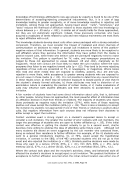
In the past, fascination with the ―psychology of the persuaders‖ and the surprising
effectiveness of their recruiting techniques has, paradoxically, led to a narrowness of focus
and, consequently, to a neglect of the interaction that takes place between recruiter and
prospective recruit. Thus, conceptual models have misdirected our attention to the
―sociology of the passive recruit.‖ The portrait drawn has been of the disturbed, socially
isolated youth from a broken home, seeking meaning in life, a sense of community, and a
transcendental awakening. There are too many instances where that prototype of passive
vulnerability does not match the attributes of prospective recruits or converts. Moreover,
even if the fit were good, we are left with an inappropriate and static conception of the
recruitment-persuasion process as one of strong recruiters, weak targets, and all-or-nothing
outcomes (conversion or failure to convert).
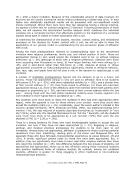
A ―new look‖ in the analysis of conversion to emerging religious movements, or cults, ―turns
the process on its head‖ by examining how ―people go about converting themselves‖
(LoMnd, 1978). Studies of the self-transformation of seekers (Strauss, 1976), and models of
the sequential stages of conversion and commitment to the occult (Lynch, 1978) are
beginning to reflect the dynamic interplay occurring between the several actors in this
dramatic exchange (see also Moscovici, 1980).
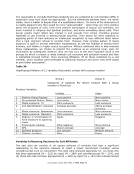
We believe that a fruitful direction for theory and empirical data collection should center
upon the reciprocal, often symbiotic, relationship between cult recruiters and prospective
recruits. The target of a cult recruiter may be a seeker of recruitment. His or her needs,
values, knowledge, and personal experiences may impel movement toward selection of
contact with certain kinds of cult recruiters. Predispositional variables may function to
increase the person‘s availability for cult contact. At the same time, cult recruiters are likely
to direct their initial contact efforts toward those individuals they predict will be most
receptive to more intensive conversion attempts. Whether a given contact results in further
affiliation depends, in turn, on many variables in the contact situation that build upon a set
of pre-contact characteristics of the person, and feed into that person‘s cognitive appraisal
of and affective reactions to the recruiter, cults, and prototypical conceptions of cult
members. In some instances, the outcome of such contact may not be the ―big decision‖
for subsequent exposure, but rather a readjustment of the person‘s attitude structure in the
direction of less negative affect, or assimilation of new pro-cult beliefs. That person may
then become part of a supportive, or at least non-hostile, social network which facilitates
the receptivity of other people to a recruiter‘s efforts. Or, individuals in a given category of
prospective recruits, such as high school students, may be contacted by a recruiter not with
the intention of making these adolescents convert at that time, but rather, of laying the
groundwork for favorable reactions to future recruiting efforts when they have the freedom
to become full-time converts.
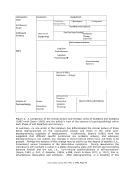
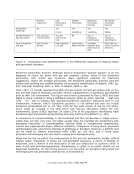
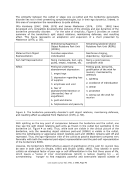
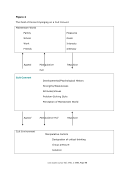
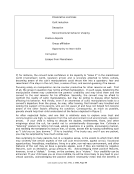
We shall now outline our working model of the recruitment-conversion process developed
from an activist-interactional perspective. After sketching the main components of this
sequential model of contact-indoctrination-conversion, we will turn to the substance of our
was radically changed and transformed ...(The Unification Church) initiated what might
eventually prove to be one of the most ingenious, sophisticated and effective conversion
organizations ever devised. (Lofland, 1978, p. 10).
Several students who have studied this persuasion process first-hand have found current
tactics to be diverse, subtle, and compelling (see Zimbardo, Ebbesen, &Maslach, 1977).
We have been able to identify more than two dozen tactics employed by recruiters and their
organization during the initial contact stage, and several dozen more at later ―workshop‖
phases of the recruitment-conversion process. Each of several other cults we have had
acquaintance with uses some unique recruitment strategies and tactics, but also share some
basic approaches.
In the past, fascination with the ―psychology of the persuaders‖ and the surprising
effectiveness of their recruiting techniques has, paradoxically, led to a narrowness of focus
and, consequently, to a neglect of the interaction that takes place between recruiter and
prospective recruit. Thus, conceptual models have misdirected our attention to the
―sociology of the passive recruit.‖ The portrait drawn has been of the disturbed, socially
isolated youth from a broken home, seeking meaning in life, a sense of community, and a
transcendental awakening. There are too many instances where that prototype of passive
vulnerability does not match the attributes of prospective recruits or converts. Moreover,
even if the fit were good, we are left with an inappropriate and static conception of the
recruitment-persuasion process as one of strong recruiters, weak targets, and all-or-nothing
outcomes (conversion or failure to convert).
A ―new look‖ in the analysis of conversion to emerging religious movements, or cults, ―turns
the process on its head‖ by examining how ―people go about converting themselves‖
(LoMnd, 1978). Studies of the self-transformation of seekers (Strauss, 1976), and models of
the sequential stages of conversion and commitment to the occult (Lynch, 1978) are
beginning to reflect the dynamic interplay occurring between the several actors in this
dramatic exchange (see also Moscovici, 1980).
We believe that a fruitful direction for theory and empirical data collection should center
upon the reciprocal, often symbiotic, relationship between cult recruiters and prospective
recruits. The target of a cult recruiter may be a seeker of recruitment. His or her needs,
values, knowledge, and personal experiences may impel movement toward selection of
contact with certain kinds of cult recruiters. Predispositional variables may function to
increase the person‘s availability for cult contact. At the same time, cult recruiters are likely
to direct their initial contact efforts toward those individuals they predict will be most
receptive to more intensive conversion attempts. Whether a given contact results in further
affiliation depends, in turn, on many variables in the contact situation that build upon a set
of pre-contact characteristics of the person, and feed into that person‘s cognitive appraisal
of and affective reactions to the recruiter, cults, and prototypical conceptions of cult
members. In some instances, the outcome of such contact may not be the ―big decision‖
for subsequent exposure, but rather a readjustment of the person‘s attitude structure in the
direction of less negative affect, or assimilation of new pro-cult beliefs. That person may
then become part of a supportive, or at least non-hostile, social network which facilitates
the receptivity of other people to a recruiter‘s efforts. Or, individuals in a given category of
prospective recruits, such as high school students, may be contacted by a recruiter not with
the intention of making these adolescents convert at that time, but rather, of laying the
groundwork for favorable reactions to future recruiting efforts when they have the freedom
to become full-time converts.
We shall now outline our working model of the recruitment-conversion process developed
from an activist-interactional perspective. After sketching the main components of this
sequential model of contact-indoctrination-conversion, we will turn to the substance of our