Cultic Studies Journal, Vol. 2 No. 1 1985, Page 86
References
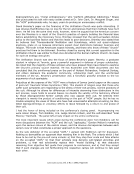
Anderson, I. R. (1980). Cognitive Psychology and its implications. San Francisco: Freeman.
Andersen, S. M., &Zimbardo, P. G. (1984). On resisting social influence. Cultic Studies
Journal, 1(2), i96-219.
Aronson, E., &Mills, J. (1959). The-effect of severity of initiation on liking for a group.
Journal of Abnormal &Social Psychology, L9, 177-181.
Babbie, E. R. (1979). The practice of social research. (2nd ed.). Belmont, CA :Wadsworth.
Conway, F., &Siegelman, J. (1978). Snapping: America’s epidemic of sudden personality
change. Philadelphia: Lippincott.
Doress, I., &Porter, I. (1978). Kids in cults. Society 15, 69-71.
Festinger, L. (1957). A theory of cognitive dissonance. Evanston, Ill.: Row,
Peterson. Hirschman, A. 0. (1970). Exit, voice and loyalty: On recovery from decline in
firms, organizations, and states. Cambridge: Harvard University Press.
Klatsky, R. L. (1980). Human memory, Structures and ,processes. San Francisco:
Freeman.
Lofland, 1. T-1978). ―Becoming a world saver‖ revisited. In T. Richardson (Ed.). Conversion
careers: In and out of the new religions. Beverly Hills, Ca. Sage, 10-23.
Lofland, J., &Stark, R. (1965). Becoming a world-saver. A theory of conversion to a deviant
perspective. American Sociological, Review, 30, 862-874.
Lynch, F. R. (1978). Toward a theory of conversion and commitment to the occult. In J. T.
Richardson (Ed.). Conversion careers: In and out of the new religions. Beverly Hills,
CA -Sage, 91-112.
Marwell, G., &Schmitt, D. R. (1967). Dimensions of compliance-gaining behavior: An
empirical analysis. Sociometry, 30, 350-364.
McGlaughlin,-M. L., Cody, M. J., &Robey, C. S. (1980). Situational influences on the
selection of strategies to resist compliance-gaining attempts. Human Communication
Research, 7, 14-36.
Miller, G., Boster, F., Roloff, M., &Seibold, D. (1977). Compliance-gaining strategies: A
typology and some findings concerning effects of situational differences.
Communication Monographs. 44, 37-54.
Moscovici, S. (1980). Toward a theory of conversion behavior. In L. Berkowitz (Ed.).
Advances in experimental social psychology. Vol. 13. New York: Academic Press,
209-239.
Nie, N. H., Hull, C. G., Jenkins, J. G., Steinbrenner, K., &Bent, D. H. (Eds.) (1975). SPSS:
Statistical package for the social sciences. (2nd. Ed.), New York: McGraw Hill.
Nisbett, R., &Wilson, T. (1977). The halo effect: Evidence for unconscious alteration of
judgment. Journal of Personality Social Psychology, 35, 250-256.
Richardson, T. (Ed.). (1978). Conversion careers: In and out of the new religions. Beverly
Hills, CA: Sage.
Rolloff, M.E. (1980). Self-awareness and the persuasion process. In M. E. Roloff &G. Miller
(Eds.). Persuasion: New directions in theory and research. Beverly Hills, Ca.: Sage,
29-66.-
References
Anderson, I. R. (1980). Cognitive Psychology and its implications. San Francisco: Freeman.
Andersen, S. M., &Zimbardo, P. G. (1984). On resisting social influence. Cultic Studies
Journal, 1(2), i96-219.
Aronson, E., &Mills, J. (1959). The-effect of severity of initiation on liking for a group.
Journal of Abnormal &Social Psychology, L9, 177-181.
Babbie, E. R. (1979). The practice of social research. (2nd ed.). Belmont, CA :Wadsworth.
Conway, F., &Siegelman, J. (1978). Snapping: America’s epidemic of sudden personality
change. Philadelphia: Lippincott.
Doress, I., &Porter, I. (1978). Kids in cults. Society 15, 69-71.
Festinger, L. (1957). A theory of cognitive dissonance. Evanston, Ill.: Row,
Peterson. Hirschman, A. 0. (1970). Exit, voice and loyalty: On recovery from decline in
firms, organizations, and states. Cambridge: Harvard University Press.
Klatsky, R. L. (1980). Human memory, Structures and ,processes. San Francisco:
Freeman.
Lofland, 1. T-1978). ―Becoming a world saver‖ revisited. In T. Richardson (Ed.). Conversion
careers: In and out of the new religions. Beverly Hills, Ca. Sage, 10-23.
Lofland, J., &Stark, R. (1965). Becoming a world-saver. A theory of conversion to a deviant
perspective. American Sociological, Review, 30, 862-874.
Lynch, F. R. (1978). Toward a theory of conversion and commitment to the occult. In J. T.
Richardson (Ed.). Conversion careers: In and out of the new religions. Beverly Hills,
CA -Sage, 91-112.
Marwell, G., &Schmitt, D. R. (1967). Dimensions of compliance-gaining behavior: An
empirical analysis. Sociometry, 30, 350-364.
McGlaughlin,-M. L., Cody, M. J., &Robey, C. S. (1980). Situational influences on the
selection of strategies to resist compliance-gaining attempts. Human Communication
Research, 7, 14-36.
Miller, G., Boster, F., Roloff, M., &Seibold, D. (1977). Compliance-gaining strategies: A
typology and some findings concerning effects of situational differences.
Communication Monographs. 44, 37-54.
Moscovici, S. (1980). Toward a theory of conversion behavior. In L. Berkowitz (Ed.).
Advances in experimental social psychology. Vol. 13. New York: Academic Press,
209-239.
Nie, N. H., Hull, C. G., Jenkins, J. G., Steinbrenner, K., &Bent, D. H. (Eds.) (1975). SPSS:
Statistical package for the social sciences. (2nd. Ed.), New York: McGraw Hill.
Nisbett, R., &Wilson, T. (1977). The halo effect: Evidence for unconscious alteration of
judgment. Journal of Personality Social Psychology, 35, 250-256.
Richardson, T. (Ed.). (1978). Conversion careers: In and out of the new religions. Beverly
Hills, CA: Sage.
Rolloff, M.E. (1980). Self-awareness and the persuasion process. In M. E. Roloff &G. Miller
(Eds.). Persuasion: New directions in theory and research. Beverly Hills, Ca.: Sage,
29-66.-