Cultic Studies Journal, Vol. 2 No. 1 1985, Page 17
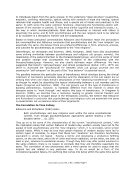
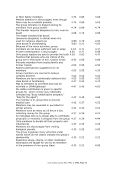
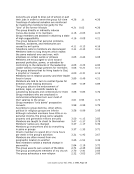
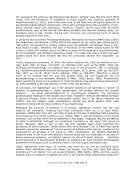
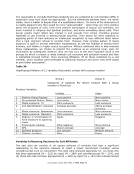
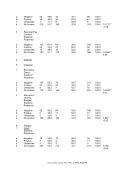
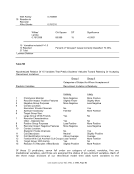
All panelists agreed that the use of mind control without conscious consent of members,
approval of violence against enemies, and abuse of members who stray from the group
were very destructive. These practices were rated dangerous in almost all circumstances. In
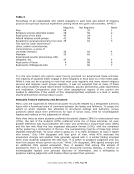
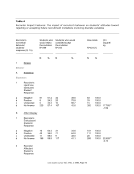
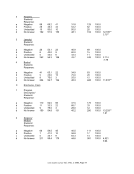
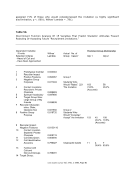
contrast, the panelists on average rated the following practices below 3, ―mildly
destructive‖ ―The group advocates a new religion!‘ (2-32) ―the group proselytizes
members of my church‖ (2.70) ―the group uses its own version of the Bible‖ (2.74) and
―new members exhibit a marked change in personality‖ (2.84). These practices were seen
as potentially dangerous in only a few or some circumstances.
Discussion
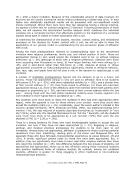
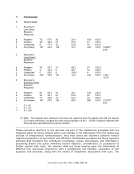
Our panelists were able to distinguish between different levels of destructive actions. They
rated the practices of certain new religions very dangerous not because they represented a
rival religion or competing psychotherapy, but because these groups manipulated, abused,
coerced, threatened, enslaved and neglected their members and because they proposed a
totalitarian world view. Not all new religions employ these practices. Yet when one considers
the documented record of many of these groups slander, blackmail, deception, theft of
government property, emotional and psychological abuse it is difficult to dismiss these
activities as mere allegations or the products of propaganda in the ―guildlike skirmishes
between the new religions and the psychotherapies‖ (Kilbourne &Richardson, p. 248).
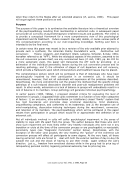
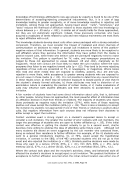
In contrast to new religions, the general trend in psychotherapy is toward greater
accountability to the public (Theaman, 1984) and increased concern with ethical practice
(Smith, 1981). Kilbourne and Richardson acknowledge that psychotherapy practices have
come under considerable scrutiny. We also wish to add that credentialed psychotherapists
subscribe to written codes of ethics, accept responsibility for the welfare of their clients, are
accountable in financial matters, are open about the goals of treatment and its costs, and
avoid influencing political, religious, and financial decisions of clients.
Psychology as a body of knowledge and psychotherapy as a profession are fundamentally
open systems many of the new religions are not. Kilbourne and Richardson note that,
contrary to the actions Implied by the label ―nondirective therapy,‖ two studies found that
Carl Rogers systematically influenced his clients‘ verbal behaviors. Thus, they note,
psychotherapists are as ―guilty‖ as new religionists of manipulating their target populations.
Moreover, they further imply that psychotherapists do not acknowledge their own
manipulations. However, we note that the level of manipulation is nothing like that to be
found in many cults. Moreover, Rogers modified his theories based on the findings of the
above studies, and he replaced the term ―nondirective therapy‖ with the more accurate
term ―client-centered therapy.‖ This is but one example demonstrating the essential
openness of psychotherapy. To our knowledge, none of the major leaders in psychotherapy
theory, research, or practice has appointed him or herself a messiah. Nor do reputable
counselors ask their clients to devote their entire lives and fortunes to the needs of the
counselor.
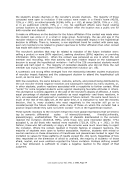
Kilbourne and Richardson are correctly critical of the methodology of some research on new
religions. We submit that the resistance of some of these groups to free inquiry and the
seduction of investigators through subsidy or conference and lecture fees (Dole &Dubrow
Eichel, 1981 Horowitz, 1978) hardly contribute to scholarly impartiality. Whereas there are
over 500 published studies on psychotherapy outcomes that establish treatment as effective
and beneficial (Garfield, 1981 Landman &Dawes, 1982 Smith &Glass, 1977), Kilbourne
and Richardson draw their conclusions (prematurely, we believe) from only a handful of
studies concerned with the effects of new religions. Moreover, when contending that some
new religions are as therapeutically beneficial as psychotherapy, Kilbourne and Richardson
almost always refer to these studies as ―empirical evidence.‖ As one example of the
questionable use of the ―empirical‖ label with regard to these studies, they do not state if
All panelists agreed that the use of mind control without conscious consent of members,
approval of violence against enemies, and abuse of members who stray from the group
were very destructive. These practices were rated dangerous in almost all circumstances. In
contrast, the panelists on average rated the following practices below 3, ―mildly
destructive‖ ―The group advocates a new religion!‘ (2-32) ―the group proselytizes
members of my church‖ (2.70) ―the group uses its own version of the Bible‖ (2.74) and
―new members exhibit a marked change in personality‖ (2.84). These practices were seen
as potentially dangerous in only a few or some circumstances.
Discussion
Our panelists were able to distinguish between different levels of destructive actions. They
rated the practices of certain new religions very dangerous not because they represented a
rival religion or competing psychotherapy, but because these groups manipulated, abused,
coerced, threatened, enslaved and neglected their members and because they proposed a
totalitarian world view. Not all new religions employ these practices. Yet when one considers
the documented record of many of these groups slander, blackmail, deception, theft of
government property, emotional and psychological abuse it is difficult to dismiss these
activities as mere allegations or the products of propaganda in the ―guildlike skirmishes
between the new religions and the psychotherapies‖ (Kilbourne &Richardson, p. 248).
In contrast to new religions, the general trend in psychotherapy is toward greater
accountability to the public (Theaman, 1984) and increased concern with ethical practice
(Smith, 1981). Kilbourne and Richardson acknowledge that psychotherapy practices have
come under considerable scrutiny. We also wish to add that credentialed psychotherapists
subscribe to written codes of ethics, accept responsibility for the welfare of their clients, are
accountable in financial matters, are open about the goals of treatment and its costs, and
avoid influencing political, religious, and financial decisions of clients.
Psychology as a body of knowledge and psychotherapy as a profession are fundamentally
open systems many of the new religions are not. Kilbourne and Richardson note that,
contrary to the actions Implied by the label ―nondirective therapy,‖ two studies found that
Carl Rogers systematically influenced his clients‘ verbal behaviors. Thus, they note,
psychotherapists are as ―guilty‖ as new religionists of manipulating their target populations.
Moreover, they further imply that psychotherapists do not acknowledge their own
manipulations. However, we note that the level of manipulation is nothing like that to be
found in many cults. Moreover, Rogers modified his theories based on the findings of the
above studies, and he replaced the term ―nondirective therapy‖ with the more accurate
term ―client-centered therapy.‖ This is but one example demonstrating the essential
openness of psychotherapy. To our knowledge, none of the major leaders in psychotherapy
theory, research, or practice has appointed him or herself a messiah. Nor do reputable
counselors ask their clients to devote their entire lives and fortunes to the needs of the
counselor.
Kilbourne and Richardson are correctly critical of the methodology of some research on new
religions. We submit that the resistance of some of these groups to free inquiry and the
seduction of investigators through subsidy or conference and lecture fees (Dole &Dubrow
Eichel, 1981 Horowitz, 1978) hardly contribute to scholarly impartiality. Whereas there are
over 500 published studies on psychotherapy outcomes that establish treatment as effective
and beneficial (Garfield, 1981 Landman &Dawes, 1982 Smith &Glass, 1977), Kilbourne
and Richardson draw their conclusions (prematurely, we believe) from only a handful of
studies concerned with the effects of new religions. Moreover, when contending that some
new religions are as therapeutically beneficial as psychotherapy, Kilbourne and Richardson
almost always refer to these studies as ―empirical evidence.‖ As one example of the
questionable use of the ―empirical‖ label with regard to these studies, they do not state if